


Nintendo Offers Insight into Metroid Prime 4: Beyond’s Long Development and Reboot with Retro Studios
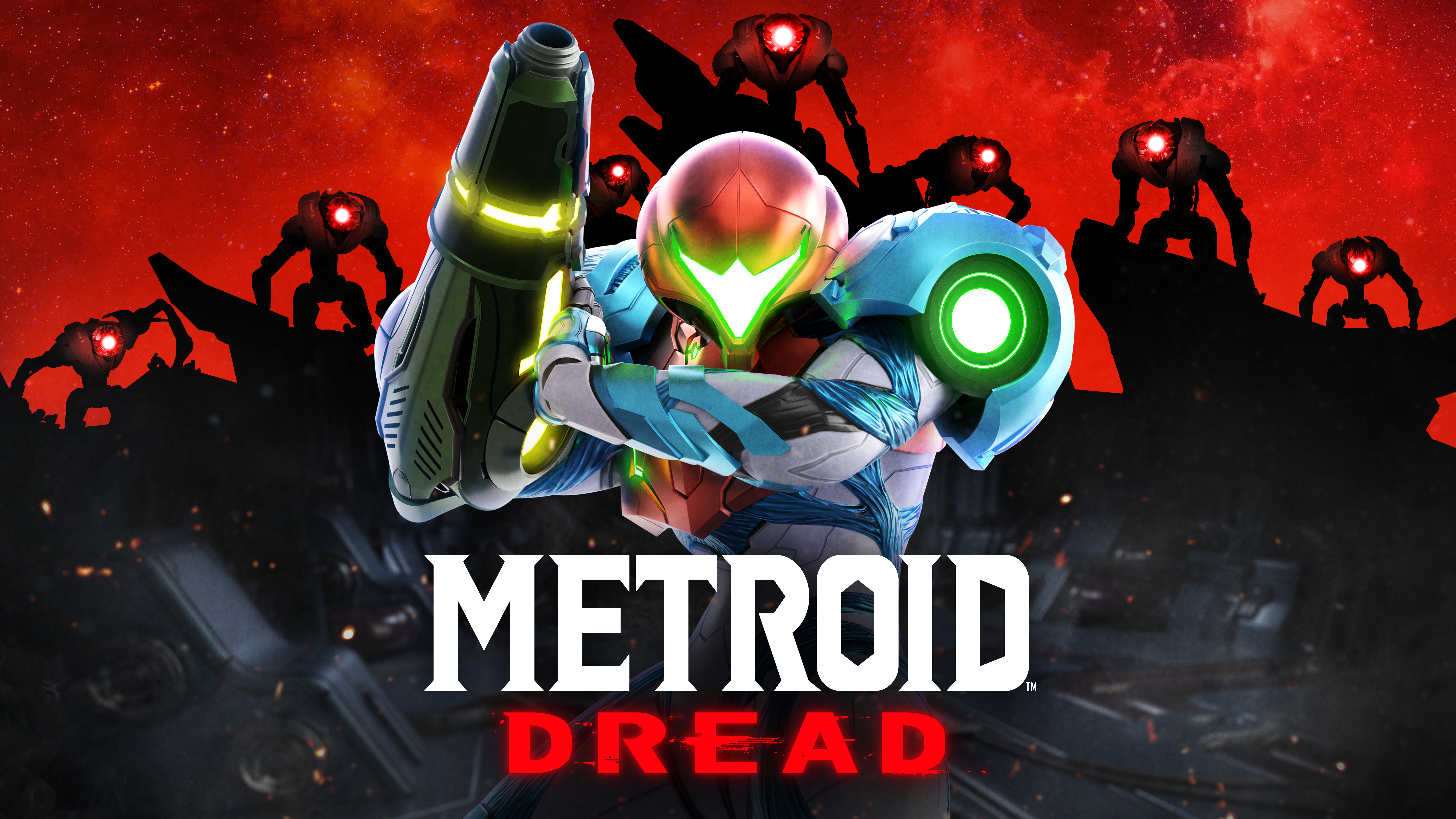
The release of Metroid Prime 4: Beyond marks a significant chapter in Nintendo’s rich history of innovative game development.
Initially announced during E3 2017, the highly anticipated title has finally arrived on Nintendo Switch in 2024—ending a seven-year wait that had both fans and industry analysts speculating about its journey.
Revealing the behind-the-scenes story, Nintendo has now detailed the origins, challenges, and evolution that shaped Metroid Prime 4: Beyond, providing rare transparency into a complex production.
In an exclusive developer interview published in this week’s issue of Famitsu, Nintendo discussed the project’s inception and development hurdles.
Metroid Prime 4 was not merely a result of internal planning; rather, it began at the request of Nintendo of America.
The American branch asked for a new, mainline installment in the Metroid Prime series, prompting the Japanese development team to brainstorm ways to preserve the series’ signature experience—often called 'Prime-ness'—while also introducing fresh ideas for veteran and new players alike.
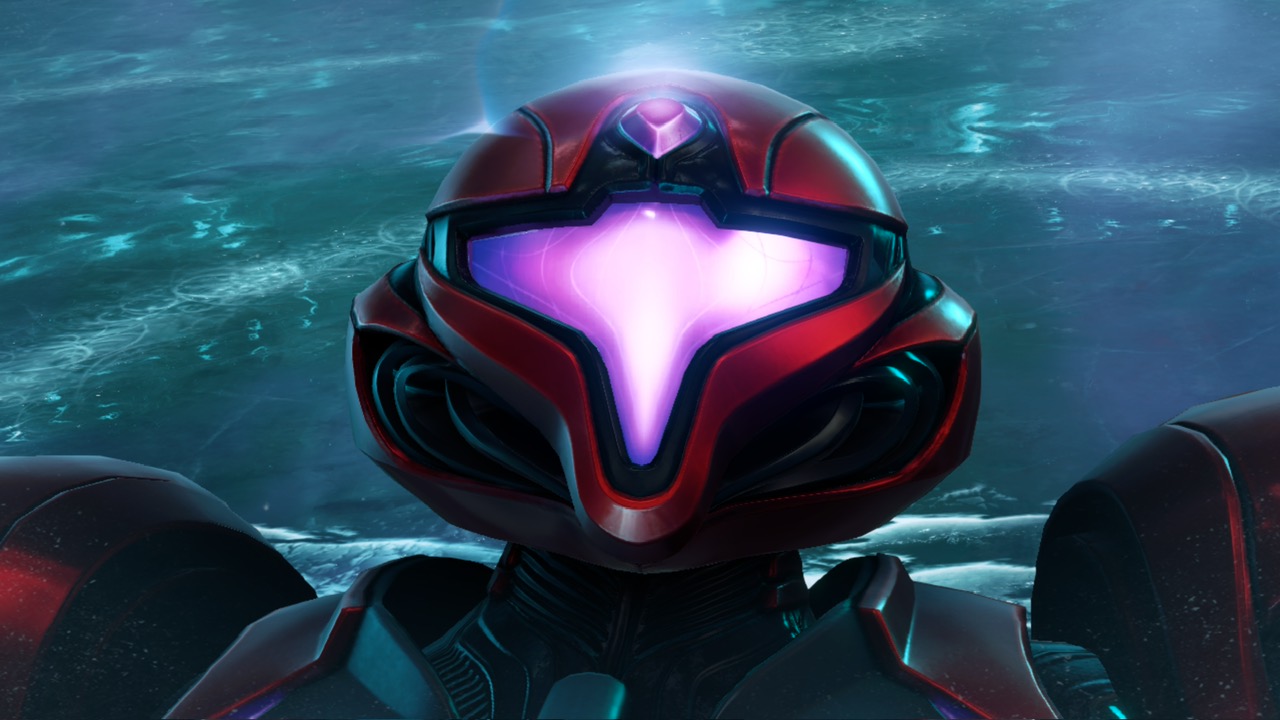
A central element of the new story is the dynamic between Samus Aran and the enigmatic Sylux, a narrative thread Nintendo had been interested in exploring for some time.
One notable turning point in the project’s life cycle came when Nintendo made the critical decision to shift development to Retro Studios, the creators of the original Metroid Prime trilogy.
Despite their pedigree, Retro faced an initial challenge: according to Nintendo, the studio "did not have the structure to make a Metroid Prime game" at the time.
Building the necessary team and pipeline became the first major task.
To accomplish this, Nintendo and Retro Studios recruited new staff and placed a strong emphasis on teaching them the subtle design philosophies that have defined the Metroid Prime experience.
Experts from external studios were also brought in to assist with background modeling and cinematic sequences, with particular attention paid to the meticulous selection and management of these partners.
A Nintendo spokesperson explained, via Famitsu, that onboarding fresh talent required extensive orientation to ensure everyone understood the essence of Metroid Prime’s unique sense of space and pacing—a concept related to the Japanese idea of 'ma', the thoughtful appreciation of intervals in time, objects, and sound.
By internalizing this sensibility, the development team was able to deliver gameplay and atmosphere authentic to the Metroid Prime legacy.
Throughout Metroid Prime 4: Beyond’s lengthy development, careful management and collaboration were vital to maintaining quality and meeting production goals.
Nintendo expressed deep gratitude to the project’s managers and data specialists, highlighting the teamwork necessary to overcome substantial challenges.
As fans now explore Metroid Prime 4: Beyond on the Nintendo Switch, the title stands as a testament to perseverance in modern game development.
With a complex production history, international cooperation, and a renewed vision under Retro Studios, Metroid Prime 4: Beyond continues to elevate the storied franchise on Nintendo's flagship console.
The release of Metroid Prime 4: Beyond marks a significant chapter in Nintendo’s rich history of innovative game development.
Initially announced during E3 2017, the highly anticipated title has finally arrived on Nintendo Switch in 2024—ending a seven-year wait that had both fans and industry analysts speculating about its journey.
Revealing the behind-the-scenes story, Nintendo has now detailed the origins, challenges, and evolution that shaped Metroid Prime 4: Beyond, providing rare transparency into a complex production.
In an exclusive developer interview published in this week’s issue of Famitsu, Nintendo discussed the project’s inception and development hurdles.
Metroid Prime 4 was not merely a result of internal planning; rather, it began at the request of Nintendo of America.
The American branch asked for a new, mainline installment in the Metroid Prime series, prompting the Japanese development team to brainstorm ways to preserve the series’ signature experience—often called 'Prime-ness'—while also introducing fresh ideas for veteran and new players alike.
A central element of the new story is the dynamic between Samus Aran and the enigmatic Sylux, a narrative thread Nintendo had been interested in exploring for some time.
One notable turning point in the project’s life cycle came when Nintendo made the critical decision to shift development to Retro Studios, the creators of the original Metroid Prime trilogy.
Despite their pedigree, Retro faced an initial challenge: according to Nintendo, the studio "did not have the structure to make a Metroid Prime game" at the time.
Building the necessary team and pipeline became the first major task.
To accomplish this, Nintendo and Retro Studios recruited new staff and placed a strong emphasis on teaching them the subtle design philosophies that have defined the Metroid Prime experience.
Experts from external studios were also brought in to assist with background modeling and cinematic sequences, with particular attention paid to the meticulous selection and management of these partners.
A Nintendo spokesperson explained, via Famitsu, that onboarding fresh talent required extensive orientation to ensure everyone understood the essence of Metroid Prime’s unique sense of space and pacing—a concept related to the Japanese idea of 'ma', the thoughtful appreciation of intervals in time, objects, and sound.
By internalizing this sensibility, the development team was able to deliver gameplay and atmosphere authentic to the Metroid Prime legacy.
Throughout Metroid Prime 4: Beyond’s lengthy development, careful management and collaboration were vital to maintaining quality and meeting production goals.
Nintendo expressed deep gratitude to the project’s managers and data specialists, highlighting the teamwork necessary to overcome substantial challenges.
As fans now explore Metroid Prime 4: Beyond on the Nintendo Switch, the title stands as a testament to perseverance in modern game development.
With a complex production history, international cooperation, and a renewed vision under Retro Studios, Metroid Prime 4: Beyond continues to elevate the storied franchise on Nintendo's flagship console.