
Introduction
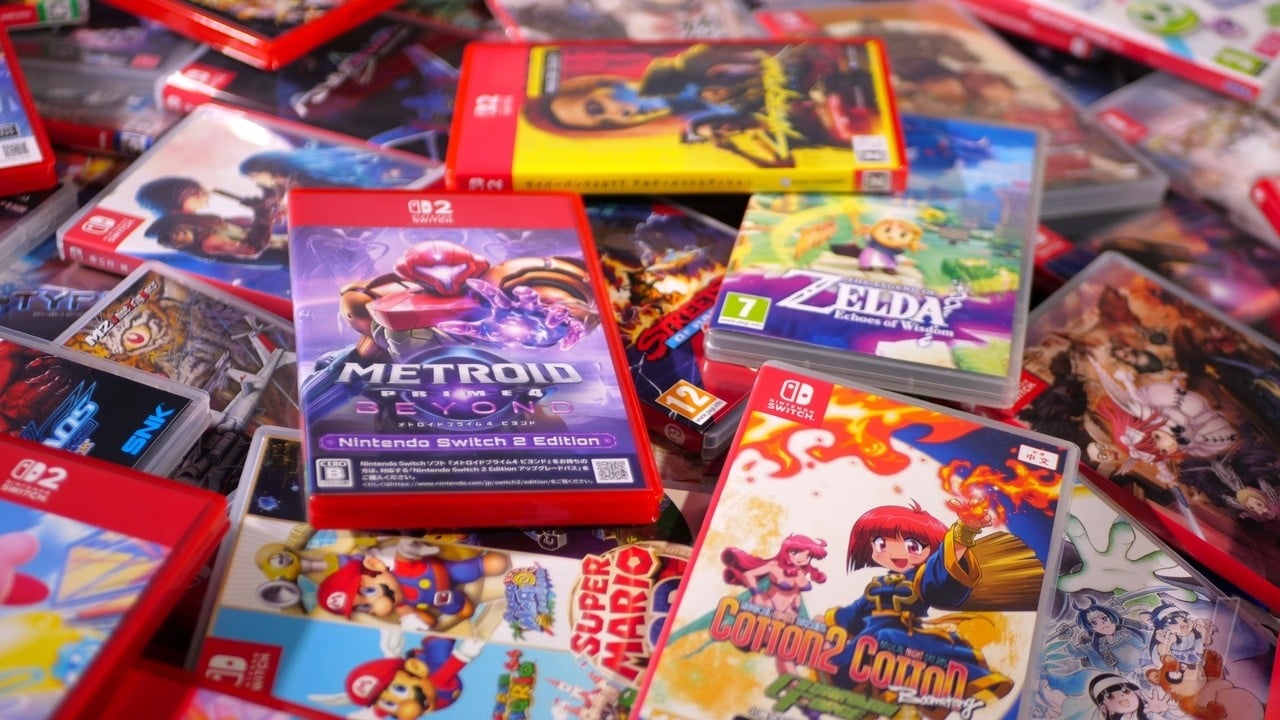
Nintendo's first-party pricing has become a talking point among players and retailers as recent releases have appeared at different MSRPs.
Some headline titles such as Mario Kart World and Fire Emblem: Fortune’s Weave carry an $80 price tag, while others including Star Fox and Splatoon Raiders are listed at $60.
Titles at $70 also exist, and Nintendo's digital storefront typically offers games about $10 cheaper on the eShop than boxed retail versions.
In a new interview with Brazilian YouTube channel Coelho no Japão, Nintendo Latin America vice president Bill van Zyll outlined how the company approaches those decisions.
How Nintendo sets prices
Van Zyll said pricing is not arbitrary but based on multiple measurable factors.
He explained that Nintendo evaluates each game individually, taking into account the value proposition, expected hours of play, production complexity, and the costs incurred during development.
Those elements feed into an analysis that helps determine a title's MSRP.
He also acknowledged that price elasticity is part of the calculation, meaning higher or lower prices can influence sales expectations and are considered when setting a final price point.
Why digital is cheaper on the eShop
On the topic of why digital editions are typically priced about $10 lower than physical copies, van Zyll pointed to the additional costs tied to producing and distributing physical media.
He described how cartridge manufacturing, physical packaging and logistics put pressure on margins for retail products.
With digital distribution, Nintendo can avoid some of those material and distribution expenses and pass a portion of the savings to customers on the eShop.
At the same time, he emphasized that physical versions still provide tangible ownership options, including the ability to trade or resell.
Commitment to physical media
Responding to questions about the future of cartridges, van Zyll made it clear Nintendo has no plans to stop producing physical media in the near term.
He said the company intends to remain agnostic and continue offering both physical and digital options to meet consumer preferences.
What this means for consumers and retailers
For consumers, the message is straightforward: MSRPs reflect a combination of development costs and perceived value, while digital pricing reflects savings from not producing cartridges and packaging.
For retailers and collectors, Nintendo's commitment to physical cartridges confirms the format will remain a part of the company's release strategy for the foreseeable future.
Nintendo's first-party pricing has become a talking point among players and retailers as recent releases have appeared at different MSRPs.
Some headline titles such as Mario Kart World and Fire Emblem: Fortune’s Weave carry an $80 price tag, while others including Star Fox and Splatoon Raiders are listed at $60.
Titles at $70 also exist, and Nintendo's digital storefront typically offers games about $10 cheaper on the eShop than boxed retail versions.
In a new interview with Brazilian YouTube channel Coelho no Japão, Nintendo Latin America vice president Bill van Zyll outlined how the company approaches those decisions.
How Nintendo sets prices
Van Zyll said pricing is not arbitrary but based on multiple measurable factors.
He explained that Nintendo evaluates each game individually, taking into account the value proposition, expected hours of play, production complexity, and the costs incurred during development.
Those elements feed into an analysis that helps determine a title's MSRP.
He also acknowledged that price elasticity is part of the calculation, meaning higher or lower prices can influence sales expectations and are considered when setting a final price point.
Why digital is cheaper on the eShop
On the topic of why digital editions are typically priced about $10 lower than physical copies, van Zyll pointed to the additional costs tied to producing and distributing physical media.
He described how cartridge manufacturing, physical packaging and logistics put pressure on margins for retail products.
With digital distribution, Nintendo can avoid some of those material and distribution expenses and pass a portion of the savings to customers on the eShop.
At the same time, he emphasized that physical versions still provide tangible ownership options, including the ability to trade or resell.
Commitment to physical media
Responding to questions about the future of cartridges, van Zyll made it clear Nintendo has no plans to stop producing physical media in the near term.
He said the company intends to remain agnostic and continue offering both physical and digital options to meet consumer preferences.
What this means for consumers and retailers
For consumers, the message is straightforward: MSRPs reflect a combination of development costs and perceived value, while digital pricing reflects savings from not producing cartridges and packaging.
For retailers and collectors, Nintendo's commitment to physical cartridges confirms the format will remain a part of the company's release strategy for the foreseeable future.