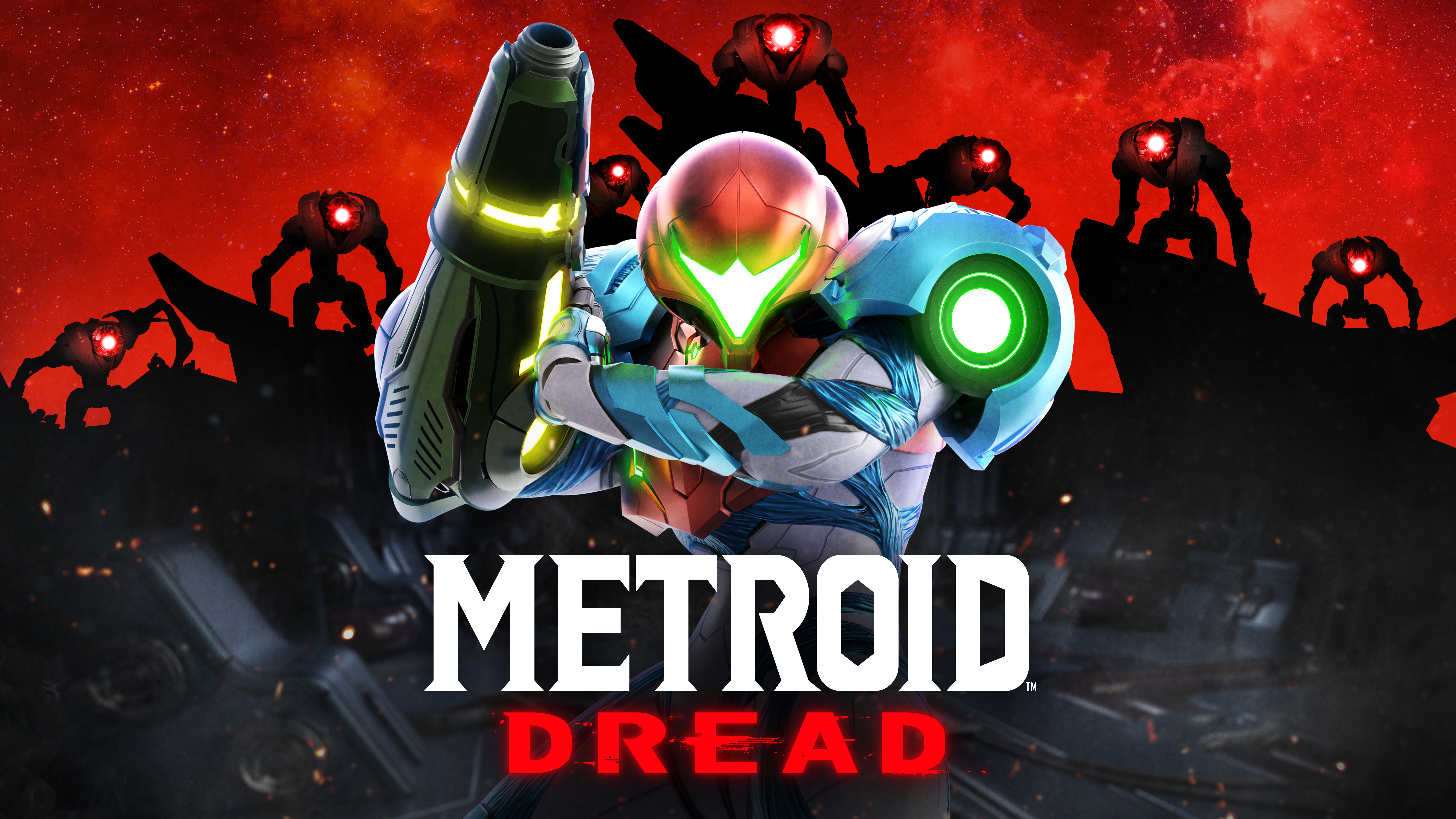



Metroid Prime 4: Beyond stands as one of Nintendo’s most anticipated releases for the Nintendo Switch, heralding the long-awaited return of the acclaimed Metroid Prime series.
Developed by Retro Studios and overseen by veteran producer Kensuke Tanabe, the title promises to both honor the franchise’s roots and introduce innovations tailored for a broad range of players.
Since its official re-announcement during a recent Nintendo Direct, fans and industry observers have closely followed updates regarding gameplay direction, with particular interest in how the game’s difficulty and design will accommodate both dedicated series veterans and newcomers.
In a recent interview with Japanese publication Nintendo Dream, producer Kensuke Tanabe addressed Nintendo’s thoughtful approach to Metroid Prime 4: Beyond’s difficulty.
When asked about the guiding principles behind the game’s challenge level, Tanabe explained that the development team focused on creating a Metroid Prime experience accessible to first-timers while still delivering satisfying depth for longtime followers of the series.
According to Tanabe, "We recognized that Metroid Prime 4: Beyond could serve as a player's entry point into the franchise, but we also kept in mind those who have been eagerly awaiting a new adventure in the Metroid Prime universe.
Our goal was to design an experience that would be enjoyable for all players."
Tanabe noted that the team made several calculated adjustments to streamline gameplay, including simplifying certain aspects of backtracking that defined earlier entries in the series.
“For example," he said, "the initial paths through most of the game’s zones are intentionally linear, supporting the narrative about the Federation Troopers and providing story-driven motivation.
While exploration and some backtracking remain present, the complexity has been reduced compared to the original Metroid Prime, especially on players' first visits to areas.
When players revisit these zones later in the game, particularly after acquiring new abilities, they will encounter fresh experiences and small rewards, enriching the sense of discovery.
This approach offers meaningful exploration for completists and those who enjoy re-exploring the world.”
A key component of Tanabe’s vision was ensuring combat, including boss encounters, remains engaging regardless of player skill.
He highlighted the team's commitment: "We've continuously refined enemy and boss battles so that players at any skill level can feel the thrill and sense of achievement after overcoming challenging segments."
Metroid Prime 4: Beyond follows in the esteemed footsteps of one of Nintendo's most iconic franchises.
The original Metroid Prime, first released on Nintendo GameCube in 2002, set new standards for first-person exploration and storytelling, achieving both critical acclaim and robust sales milestones worldwide.
Through this thoughtful recalibration of difficulty and structure, Retro Studios and Nintendo aim to make Metroid Prime 4: Beyond a landmark title on the Nintendo Switch, poised to captivate veterans and ignite new passion among first-time players.
In a noteworthy development, Tanabe also indicated that Metroid Prime 4: Beyond would be his final project for Nintendo, potentially signaling the conclusion of an illustrious era while opening the door for future narrative arcs within the franchise.
The translation of Tanabe’s remarks was provided by SatsumaFS and Simon Griffin on behalf of Nintendo Everything.
Developed by Retro Studios and overseen by veteran producer Kensuke Tanabe, the title promises to both honor the franchise’s roots and introduce innovations tailored for a broad range of players.
Since its official re-announcement during a recent Nintendo Direct, fans and industry observers have closely followed updates regarding gameplay direction, with particular interest in how the game’s difficulty and design will accommodate both dedicated series veterans and newcomers.
In a recent interview with Japanese publication Nintendo Dream, producer Kensuke Tanabe addressed Nintendo’s thoughtful approach to Metroid Prime 4: Beyond’s difficulty.
When asked about the guiding principles behind the game’s challenge level, Tanabe explained that the development team focused on creating a Metroid Prime experience accessible to first-timers while still delivering satisfying depth for longtime followers of the series.
According to Tanabe, "We recognized that Metroid Prime 4: Beyond could serve as a player's entry point into the franchise, but we also kept in mind those who have been eagerly awaiting a new adventure in the Metroid Prime universe.
Our goal was to design an experience that would be enjoyable for all players."
Tanabe noted that the team made several calculated adjustments to streamline gameplay, including simplifying certain aspects of backtracking that defined earlier entries in the series.
“For example," he said, "the initial paths through most of the game’s zones are intentionally linear, supporting the narrative about the Federation Troopers and providing story-driven motivation.
While exploration and some backtracking remain present, the complexity has been reduced compared to the original Metroid Prime, especially on players' first visits to areas.
When players revisit these zones later in the game, particularly after acquiring new abilities, they will encounter fresh experiences and small rewards, enriching the sense of discovery.
This approach offers meaningful exploration for completists and those who enjoy re-exploring the world.”
A key component of Tanabe’s vision was ensuring combat, including boss encounters, remains engaging regardless of player skill.
He highlighted the team's commitment: "We've continuously refined enemy and boss battles so that players at any skill level can feel the thrill and sense of achievement after overcoming challenging segments."
Metroid Prime 4: Beyond follows in the esteemed footsteps of one of Nintendo's most iconic franchises.
The original Metroid Prime, first released on Nintendo GameCube in 2002, set new standards for first-person exploration and storytelling, achieving both critical acclaim and robust sales milestones worldwide.
Through this thoughtful recalibration of difficulty and structure, Retro Studios and Nintendo aim to make Metroid Prime 4: Beyond a landmark title on the Nintendo Switch, poised to captivate veterans and ignite new passion among first-time players.
In a noteworthy development, Tanabe also indicated that Metroid Prime 4: Beyond would be his final project for Nintendo, potentially signaling the conclusion of an illustrious era while opening the door for future narrative arcs within the franchise.
The translation of Tanabe’s remarks was provided by SatsumaFS and Simon Griffin on behalf of Nintendo Everything.