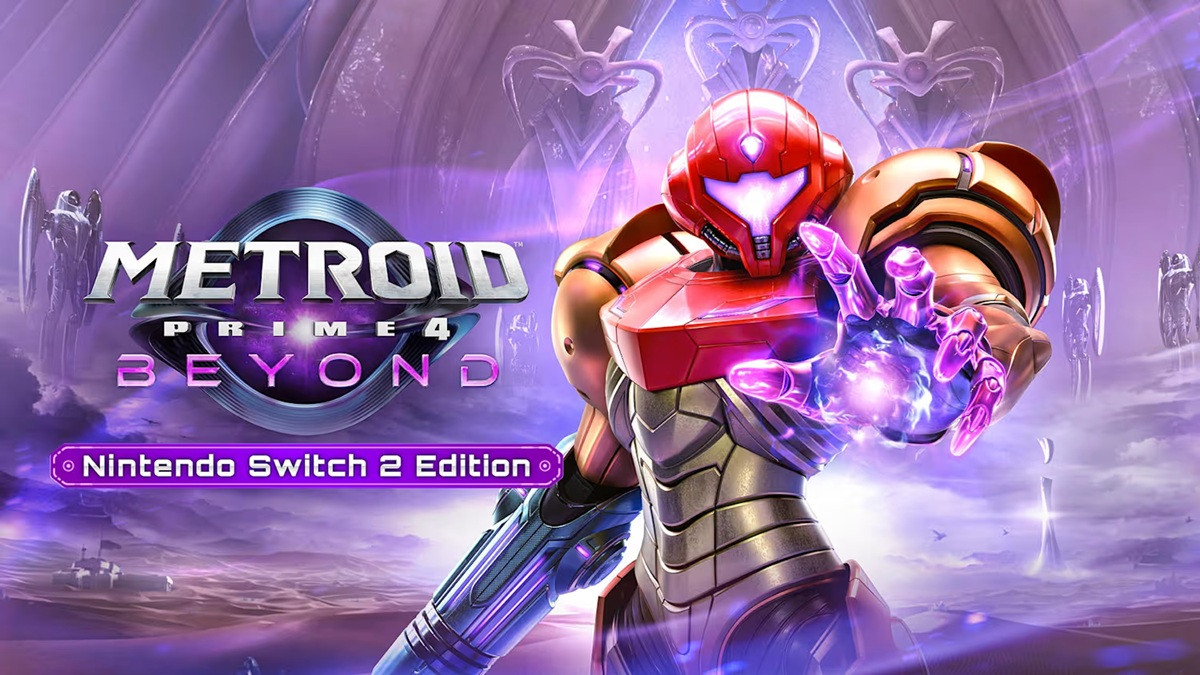


Nintendo and Retro Studios have shed new light on their approach to Metroid Prime 4: Beyond, clarifying a key design decision that sets the upcoming title apart from many recent blockbuster games: it will not feature an open-world structure.
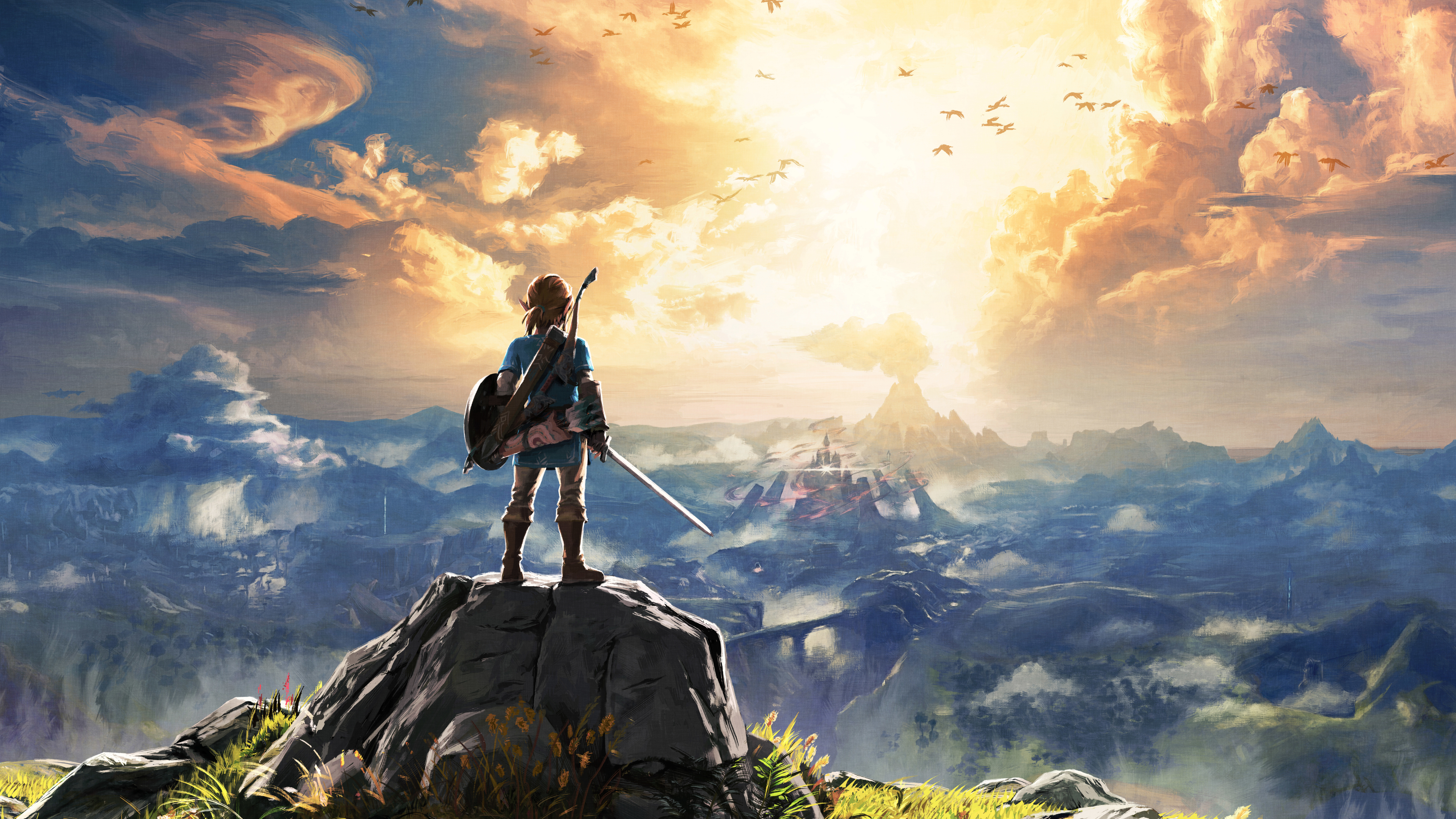
Instead, the long-awaited sequel will embrace a hub-based design, distinct from the more open-ended experiences popularized by titles like The Legend of Zelda: Breath of the Wild.
Since its original reveal and subsequent reboot in 2019, Metroid Prime 4 has been one of the most anticipated releases for the Nintendo Switch.
Development was restarted under Retro Studios—veteran developers known for their work on the Metroid Prime trilogy—after Nintendo sought to realign the project's vision.
This latest insight, shared in an interview with Japanese gaming magazine Famitsu, helps explain why the title isn't following the open-world trend seen in other first-party Nintendo franchises.
Fan requests for an open-world Metroid experience were especially vocal following the massive success of The Legend of Zelda: Breath of the Wild.
However, Nintendo and Retro Studios recognized that the franchise's core gameplay loop—unlocking powers to expand the explorable map—was fundamentally at odds with the 'go-anywhere' freedom of traditional open worlds.
As explained by a Nintendo spokesperson (translation courtesy of SatsumaFS and Simon Griffin for Nintendo Everything), feedback from fans "influenced by the popularity of open-world games" was significant, but the team determined that Metroid's DNA lies in gradually unlocking new areas, not total non-linearity.
Instead of creating a fully open world, the developers opted for a hub-centered approach.
This central area connects to various other locations, offering players a sense of freedom without compromising the progression mechanics that define the Metroid series.
"We designed a restricted yet explorable area to serve as a hub, connecting the different regions of the game," the representative noted.
This design choice draws inspiration from older 3D Zelda games, balancing exploration with pacing and progression.
Nintendo also experimented with additional gameplay elements, such as traversing on a vehicle, to enhance flow and provide breaks from intense exploration segments.
Development on Metroid Prime 4: Beyond has experienced significant delays, partly due to the project's major reboot with Retro Studios at the helm.
As the spokesperson acknowledged, "The game ended up taking much longer to complete than initially anticipated, and during that time, player perceptions about open-world games also evolved." Despite these changes in the gaming landscape, further resetting development was not considered an option, and the team decided to stay true to their original vision.
"After one major development restart, we were determined not to backtrack again, so we pressed forward with our intended design."
Nintendo also pointed out that many modern action and shooting games have increased in speed and adopted new mechanics, but adapting those trends would have impacted the unique tempo and sense of adventure that Metroid is known for.
In sum, Metroid Prime 4: Beyond remains "intentionally distinct from current trends," favoring meticulously crafted progression and atmosphere over genre conventions.
Instead, the long-awaited sequel will embrace a hub-based design, distinct from the more open-ended experiences popularized by titles like The Legend of Zelda: Breath of the Wild.
Since its original reveal and subsequent reboot in 2019, Metroid Prime 4 has been one of the most anticipated releases for the Nintendo Switch.
Development was restarted under Retro Studios—veteran developers known for their work on the Metroid Prime trilogy—after Nintendo sought to realign the project's vision.
This latest insight, shared in an interview with Japanese gaming magazine Famitsu, helps explain why the title isn't following the open-world trend seen in other first-party Nintendo franchises.
Fan requests for an open-world Metroid experience were especially vocal following the massive success of The Legend of Zelda: Breath of the Wild.
However, Nintendo and Retro Studios recognized that the franchise's core gameplay loop—unlocking powers to expand the explorable map—was fundamentally at odds with the 'go-anywhere' freedom of traditional open worlds.
As explained by a Nintendo spokesperson (translation courtesy of SatsumaFS and Simon Griffin for Nintendo Everything), feedback from fans "influenced by the popularity of open-world games" was significant, but the team determined that Metroid's DNA lies in gradually unlocking new areas, not total non-linearity.
Instead of creating a fully open world, the developers opted for a hub-centered approach.
This central area connects to various other locations, offering players a sense of freedom without compromising the progression mechanics that define the Metroid series.
"We designed a restricted yet explorable area to serve as a hub, connecting the different regions of the game," the representative noted.
This design choice draws inspiration from older 3D Zelda games, balancing exploration with pacing and progression.
Nintendo also experimented with additional gameplay elements, such as traversing on a vehicle, to enhance flow and provide breaks from intense exploration segments.
Development on Metroid Prime 4: Beyond has experienced significant delays, partly due to the project's major reboot with Retro Studios at the helm.
As the spokesperson acknowledged, "The game ended up taking much longer to complete than initially anticipated, and during that time, player perceptions about open-world games also evolved." Despite these changes in the gaming landscape, further resetting development was not considered an option, and the team decided to stay true to their original vision.
"After one major development restart, we were determined not to backtrack again, so we pressed forward with our intended design."
Nintendo also pointed out that many modern action and shooting games have increased in speed and adopted new mechanics, but adapting those trends would have impacted the unique tempo and sense of adventure that Metroid is known for.
In sum, Metroid Prime 4: Beyond remains "intentionally distinct from current trends," favoring meticulously crafted progression and atmosphere over genre conventions.