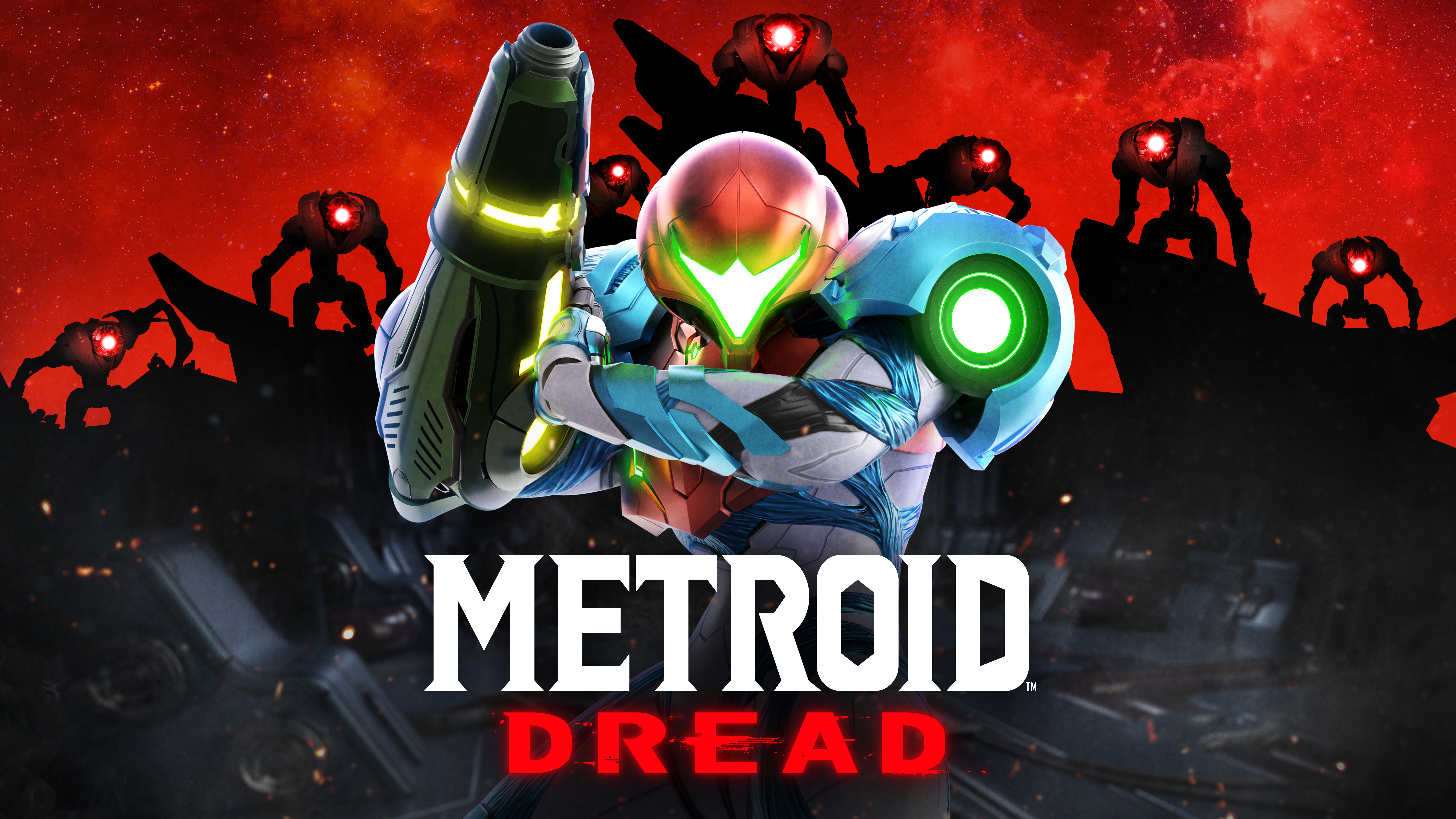

Metroid Prime 4: Beyond has emerged as one of the most anticipated titles for the Nintendo Switch, not just for its return to the acclaimed Metroid Prime series but also due to its tumultuous development journey.
Originally announced by Nintendo in 2017, Metroid Prime 4: Beyond captivated fans eager for Samus Aran’s next adventure.
However, the game’s path to release proved complex, involving a significant change in development teams and a reevaluation of its gameplay direction.
After its initial reveal, Nintendo entrusted development to Bandai Namco.
However, in 2019, the company made the remarkable decision to restart the project with Retro Studios, the creators of the original Metroid Prime trilogy.
This pivotal move signaled Nintendo’s commitment to quality and staying true to the franchise’s legacy, but it also extended the development cycle.
Metroid Prime 4: Beyond is now scheduled for release in 2025, marking an eight-year journey from announcement to launch.
In a recent in-depth interview with Famitsu magazine, Nintendo provided insight into the challenges the team faced.
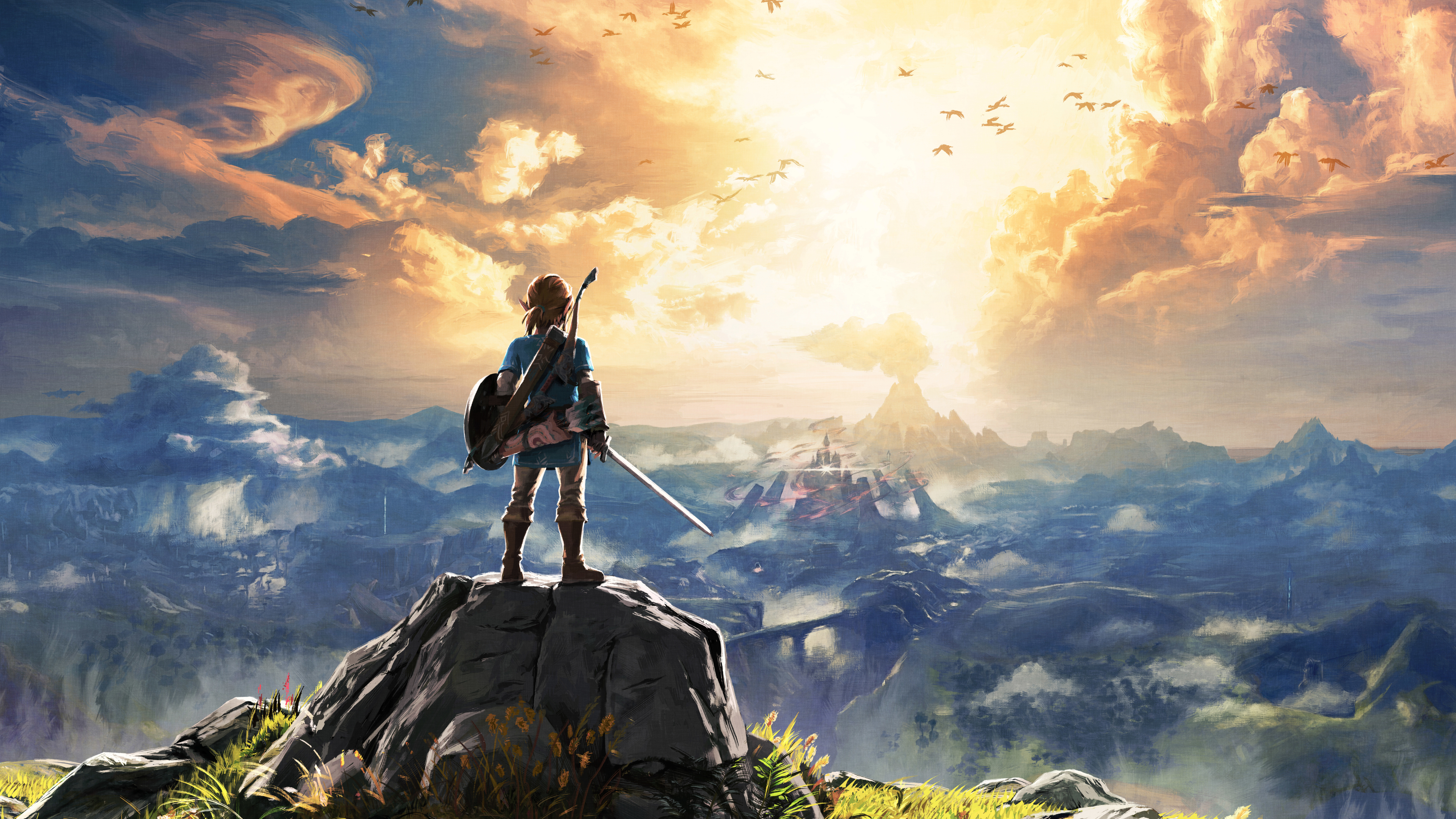
A translation shared by @Genki revealed that the developers briefly experimented with open-world elements, largely influenced by the widespread acclaim of The Legend of Zelda: Breath of the Wild.
These open-world mechanics ultimately manifested as a large, desert-themed hub area within Metroid Prime 4: Beyond, bridging classic exploration with modern design aspirations.
Nintendo representatives explained that early feedback often favored an open-world Metroid experience.
However, they realized that the franchise’s core mechanics—acquiring abilities to progressively unlock new areas—did not align with a structure in which the player could freely roam from the outset.
This realization led the team to contain the open-world aspects within a single, connected hub area, which acts as a gateway to more structured exploration zones.
To help balance pacing and player immersion, the desert hub accommodates seamless navigation—motorbike traversal, for example—injecting variety without compromising the series’ signature tension and sense of discovery.
During the prolonged development, Nintendo closely observed shifting player attitudes toward open-world games and rapid advancements in shooting and action genres.
The team acknowledged that adapting to every new trend could jeopardize the meticulously crafted pacing and adventure-driven focus that define the Metroid Prime series.
Rather than overhaul the project yet again, Nintendo and Retro Studios chose to see their original vision through to completion, maintaining the essence of classic Metroidvania gameplay.
As Nintendo told Famitsu, Metroid Prime 4: Beyond stands as a title "almost completely untouched by the changes of the times," prioritizing consistency and faithful design over trend-chasing.
With its 2025 release on Nintendo Switch, Metroid Prime 4: Beyond represents not only a return to form for fans but also a testament to Nintendo and Retro Studios’ resolve through adversity.
The game’s presence on the eShop and in Nintendo Direct showcases will undoubtedly mark a major milestone for the franchise and for the Switch platform.
Originally announced by Nintendo in 2017, Metroid Prime 4: Beyond captivated fans eager for Samus Aran’s next adventure.
However, the game’s path to release proved complex, involving a significant change in development teams and a reevaluation of its gameplay direction.
After its initial reveal, Nintendo entrusted development to Bandai Namco.
However, in 2019, the company made the remarkable decision to restart the project with Retro Studios, the creators of the original Metroid Prime trilogy.
This pivotal move signaled Nintendo’s commitment to quality and staying true to the franchise’s legacy, but it also extended the development cycle.
Metroid Prime 4: Beyond is now scheduled for release in 2025, marking an eight-year journey from announcement to launch.
In a recent in-depth interview with Famitsu magazine, Nintendo provided insight into the challenges the team faced.
A translation shared by @Genki revealed that the developers briefly experimented with open-world elements, largely influenced by the widespread acclaim of The Legend of Zelda: Breath of the Wild.
These open-world mechanics ultimately manifested as a large, desert-themed hub area within Metroid Prime 4: Beyond, bridging classic exploration with modern design aspirations.
Nintendo representatives explained that early feedback often favored an open-world Metroid experience.
However, they realized that the franchise’s core mechanics—acquiring abilities to progressively unlock new areas—did not align with a structure in which the player could freely roam from the outset.
This realization led the team to contain the open-world aspects within a single, connected hub area, which acts as a gateway to more structured exploration zones.
To help balance pacing and player immersion, the desert hub accommodates seamless navigation—motorbike traversal, for example—injecting variety without compromising the series’ signature tension and sense of discovery.
During the prolonged development, Nintendo closely observed shifting player attitudes toward open-world games and rapid advancements in shooting and action genres.
The team acknowledged that adapting to every new trend could jeopardize the meticulously crafted pacing and adventure-driven focus that define the Metroid Prime series.
Rather than overhaul the project yet again, Nintendo and Retro Studios chose to see their original vision through to completion, maintaining the essence of classic Metroidvania gameplay.
As Nintendo told Famitsu, Metroid Prime 4: Beyond stands as a title "almost completely untouched by the changes of the times," prioritizing consistency and faithful design over trend-chasing.
With its 2025 release on Nintendo Switch, Metroid Prime 4: Beyond represents not only a return to form for fans but also a testament to Nintendo and Retro Studios’ resolve through adversity.
The game’s presence on the eShop and in Nintendo Direct showcases will undoubtedly mark a major milestone for the franchise and for the Switch platform.