



The gaming calendar is under intense scrutiny as two of the industry's biggest properties draw public attention: The Legend of Zelda franchise and the Grand Theft Auto franchise.
Nintendo and Rockstar Games remain among the sector's most influential first-party and third-party publishers, and commentators are debating how scheduling decisions affect sales momentum and media attention across platforms including the Nintendo Switch and digital storefronts such as the eShop.
Background
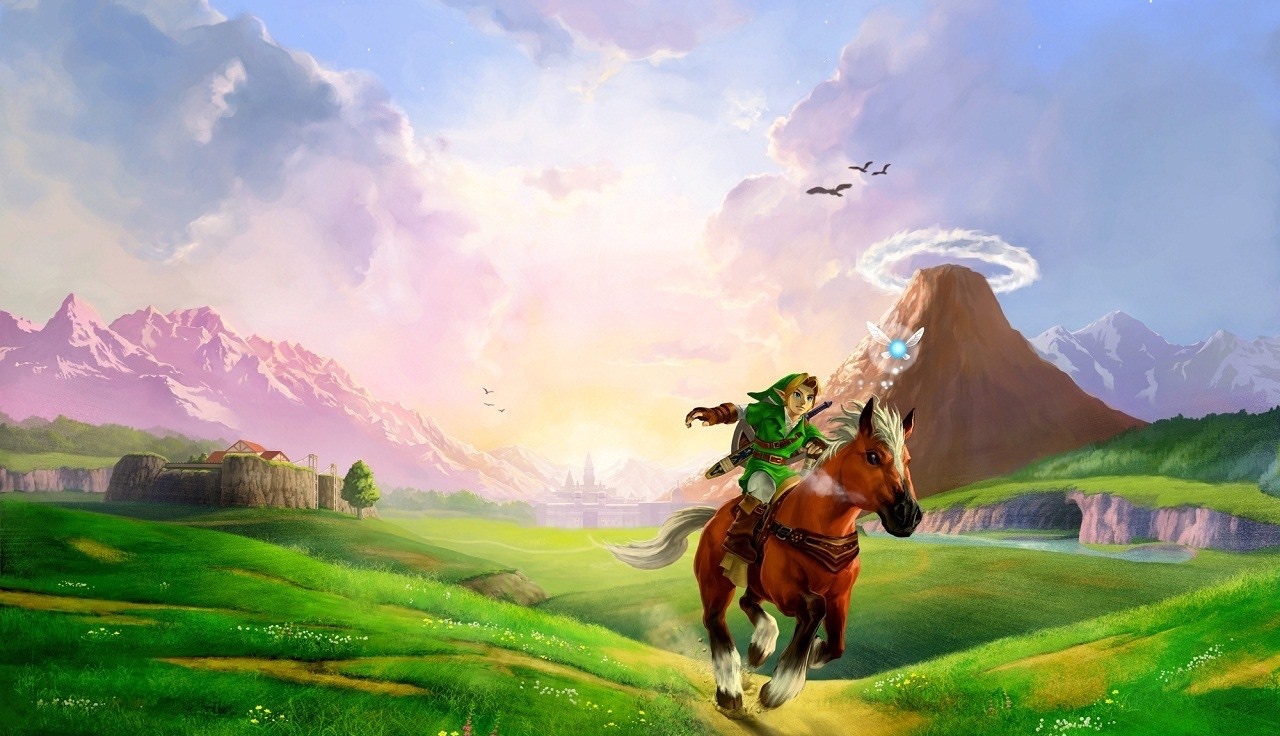
The Legend of Zelda: Ocarina of Time was originally released for the Nintendo 64 in 1998 and is widely regarded as one of the most influential titles in gaming history.
Rockstar Games' Grand Theft Auto series is a perennial commercial powerhouse and has repeatedly dominated sales charts and mainstream discussion.
When major releases cluster in the same window, publishers often adjust schedules to maximize visibility and avoid direct competition.
Industry commentary and paraphrased statements
Product-growth expert Aakash Gupta — who has worked in the games industry and published commentary on social platform X — argued that the sheer scale of a Grand Theft Auto release tends to clear space on the release calendar.
He suggested that many publishers avoid launching heavy hitters in the same period as a major GTA entry, but that Nintendo made a deliberate decision not to shift its schedule.
Gupta summarized the dynamic by saying that when the largest franchise in the market stakes a claim on a calendar lane, other publishers typically yield — but Nintendo opted to keep its own timeline, counting on platform exclusivity and a distinct audience profile to preserve attention for its release.
What this means for Nintendo and Rockstar
Nintendo's strength has long been its first-party lineup and dedicated audience on Nintendo platforms.
Platform exclusivity and brand loyalty can create breathing room for Nintendo titles even amid crowded windows.
Rockstar's Grand Theft Auto series, conversely, is one of the industry's most visible tentpole franchises and frequently reshapes the broader release environment.
Takeaway
The current conversation highlights how release calendars are strategic tools for major publishers.
Verified historical facts — like Ocarina of Time's N64 debut and Rockstar's status as the developer of Grand Theft Auto — provide context for why scheduling decisions trigger widespread industry commentary.
As the market approaches any high-profile launch window, developers and publishers continue to weigh exclusivity, audience overlap, and media cycles when planning release timing.
Nintendo and Rockstar Games remain among the sector's most influential first-party and third-party publishers, and commentators are debating how scheduling decisions affect sales momentum and media attention across platforms including the Nintendo Switch and digital storefronts such as the eShop.
Background
The Legend of Zelda: Ocarina of Time was originally released for the Nintendo 64 in 1998 and is widely regarded as one of the most influential titles in gaming history.
Rockstar Games' Grand Theft Auto series is a perennial commercial powerhouse and has repeatedly dominated sales charts and mainstream discussion.
When major releases cluster in the same window, publishers often adjust schedules to maximize visibility and avoid direct competition.
Industry commentary and paraphrased statements
Product-growth expert Aakash Gupta — who has worked in the games industry and published commentary on social platform X — argued that the sheer scale of a Grand Theft Auto release tends to clear space on the release calendar.
He suggested that many publishers avoid launching heavy hitters in the same period as a major GTA entry, but that Nintendo made a deliberate decision not to shift its schedule.
Gupta summarized the dynamic by saying that when the largest franchise in the market stakes a claim on a calendar lane, other publishers typically yield — but Nintendo opted to keep its own timeline, counting on platform exclusivity and a distinct audience profile to preserve attention for its release.
What this means for Nintendo and Rockstar
Nintendo's strength has long been its first-party lineup and dedicated audience on Nintendo platforms.
Platform exclusivity and brand loyalty can create breathing room for Nintendo titles even amid crowded windows.
Rockstar's Grand Theft Auto series, conversely, is one of the industry's most visible tentpole franchises and frequently reshapes the broader release environment.
Takeaway
The current conversation highlights how release calendars are strategic tools for major publishers.
Verified historical facts — like Ocarina of Time's N64 debut and Rockstar's status as the developer of Grand Theft Auto — provide context for why scheduling decisions trigger widespread industry commentary.
As the market approaches any high-profile launch window, developers and publishers continue to weigh exclusivity, audience overlap, and media cycles when planning release timing.


