

The Pokémon Trading Card Game resale issue: Nintendo confirms countermeasures
The Pokémon franchise remains one of the most valuable and enduring properties in gaming and pop culture, spanning video games, mobile titles and a long-running physical card game.
The Pokémon Trading Card Game (TCG), which debuted in Japan in 1996, has become a major collectible market.
Nintendo — which helped establish The Pokémon Company in 1998 alongside Game Freak and Creatures — is publicly acknowledging problems arising from bulk purchases and high-priced resales of limited-quantity cards on secondary markets.
Nintendo president Shuntaro Furukawa addressed the situation directly in recent remarks.
He said Nintendo is aware of instances in which limited-quantity Pokémon cards are bought in large volumes and subsequently resold at high prices.
Furukawa noted that The Pokémon Company, an equity-method subsidiary of Nintendo, is implementing a range of measures to create a fairer purchase environment for consumers.
In clear terms, Furukawa described the measures The Pokémon Company is taking: the company has used made-to-order sales to control supply, established agreements with marketplace operators to address resale activity, and plans to employ account verification using Japan’s government-issued My Number Card for online priority drawings of certain products.
Furukawa also confirmed that Nintendo maintains communication with The Pokémon Company as needed to discuss appropriate ways to deliver products to consumers and expects The Pokémon Company to continue responding to the issue.
These steps align with industry efforts to limit scalping and protect collectors and retailers.
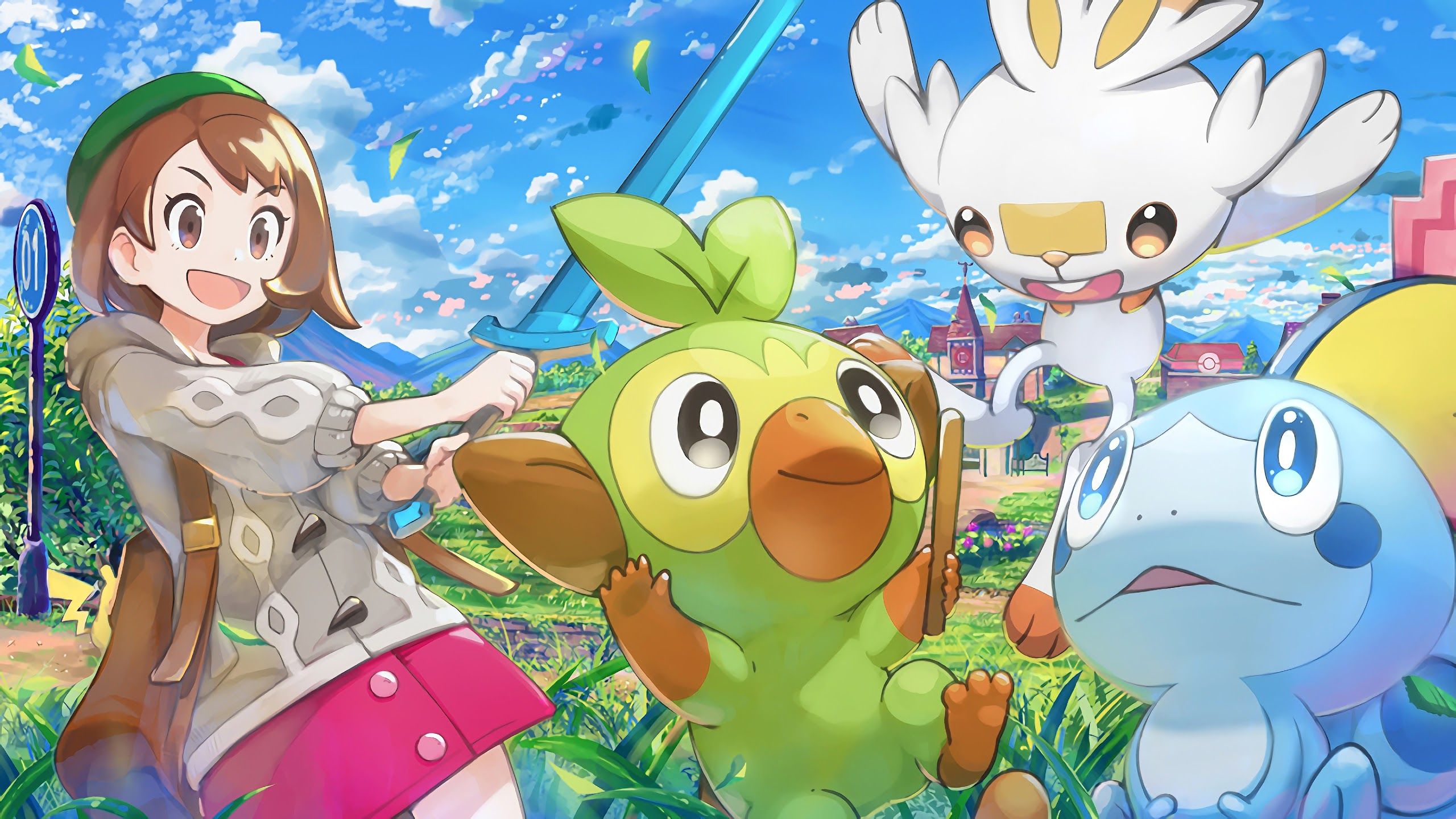
The Pokémon brand continues to perform strongly across platforms: core series entries like Pokémon Sword and Shield (Nintendo Switch, 2019) and Pokémon Scarlet and Violet (Nintendo Switch, 2022) have helped keep demand for franchise merchandise high, while mobile hits such as Pokémon GO (Niantic, 2016) sustain global interest in Pokémon collectibles.
As The Pokémon Company rolls out verified-account priority drawings and other controls, retailers, collectors and secondary marketplaces will be watching for measurable impacts on availability and pricing.
For now, Nintendo’s public confirmation — and the specific measures Furukawa outlined — represent the strongest official response yet from the companies that oversee and profit from the Pokémon TCG ecosystem.
The Pokémon franchise remains one of the most valuable and enduring properties in gaming and pop culture, spanning video games, mobile titles and a long-running physical card game.
The Pokémon Trading Card Game (TCG), which debuted in Japan in 1996, has become a major collectible market.
Nintendo — which helped establish The Pokémon Company in 1998 alongside Game Freak and Creatures — is publicly acknowledging problems arising from bulk purchases and high-priced resales of limited-quantity cards on secondary markets.
Nintendo president Shuntaro Furukawa addressed the situation directly in recent remarks.
He said Nintendo is aware of instances in which limited-quantity Pokémon cards are bought in large volumes and subsequently resold at high prices.
Furukawa noted that The Pokémon Company, an equity-method subsidiary of Nintendo, is implementing a range of measures to create a fairer purchase environment for consumers.
In clear terms, Furukawa described the measures The Pokémon Company is taking: the company has used made-to-order sales to control supply, established agreements with marketplace operators to address resale activity, and plans to employ account verification using Japan’s government-issued My Number Card for online priority drawings of certain products.
Furukawa also confirmed that Nintendo maintains communication with The Pokémon Company as needed to discuss appropriate ways to deliver products to consumers and expects The Pokémon Company to continue responding to the issue.
These steps align with industry efforts to limit scalping and protect collectors and retailers.
The Pokémon brand continues to perform strongly across platforms: core series entries like Pokémon Sword and Shield (Nintendo Switch, 2019) and Pokémon Scarlet and Violet (Nintendo Switch, 2022) have helped keep demand for franchise merchandise high, while mobile hits such as Pokémon GO (Niantic, 2016) sustain global interest in Pokémon collectibles.
As The Pokémon Company rolls out verified-account priority drawings and other controls, retailers, collectors and secondary marketplaces will be watching for measurable impacts on availability and pricing.
For now, Nintendo’s public confirmation — and the specific measures Furukawa outlined — represent the strongest official response yet from the companies that oversee and profit from the Pokémon TCG ecosystem.