Nintendo has officially unveiled a new hardware revision of the standard Nintendo Switch, promising a dramatic boost in battery performance while keeping its external design unchanged.
Listed on both Nintendo's Japanese and American websites, this updated Switch model is set to be available beginning mid-August 2019, with a September launch anticipated for the UK according to statements made by a Nintendo UK representative to Eurogamer.
Crucially, this latest Switch update should not be confused with the recently announced Nintendo Switch Lite.
Unlike the Lite, which features a more compact design and integrated controls, this revision retains all the characteristics of the original Switch – from its appearance to its detachable Joy-Con controllers.
The significant change, however, lies inside the console, where updated internal components lead to extended battery life.
According to information published on Nintendo’s official website, the new Switch model nearly doubles the battery's potential operating time.
The current version offers an average battery life ranging from 2.5 to 6.5 hours based on usage.
In comparison, the upgraded console is projected to deliver an impressive 4.5 to 9 hours of playtime on a single charge.
Nintendo specifically cites The Legend of Zelda: Breath of the Wild as an example: where the initial model lasts about three hours, the refreshed version can run the game for around 5.5 hours before needing a recharge.
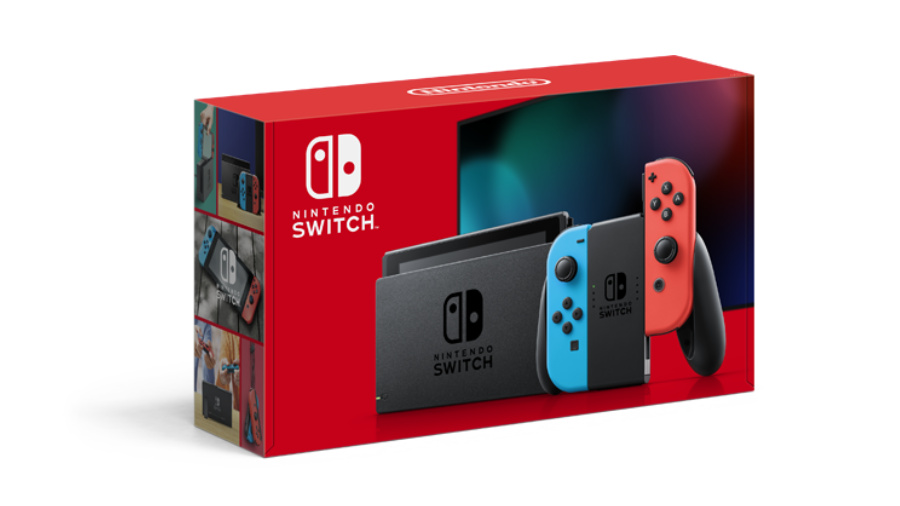
Consumers will be able to distinguish the updated system through its revised packaging, even though the device remains cosmetically identical to its predecessor.
Additionally, the serial numbers have changed, starting with "XKW" for the new units, as opposed to the earlier "XAW" prefix.
This detail will help customers identify the improved version at retail without needing to open the box.
Internally, this silent revision utilizes the updated 'Mariko' iteration of NVIDIA's Tegra X1 chip.
This silicon not only increases efficiency—contributing to the expanded battery performance—but also improves thermal management by operating at a lower voltage.
Notably, this same updated architecture is being used in the Nintendo Switch Lite.
The hardware enhancement also addresses known vulnerabilities present in the original chip, further bolstering system security.
This new Switch model is a compelling option for gamers searching for extended on-the-go play without compromising on the hybrid console’s unique functionality.
As Nintendo continues to refine its flagship hardware, this update marks a significant step forward in the platform’s lifespan, reflecting the company’s dedication to incremental innovation and customer satisfaction.
The original Nintendo Switch first launched in March 2017 and quickly achieved critical and commercial success, with cumulative hardware sales reaching over 34 million units worldwide by the time of this revision’s announcement.
The addition of extended battery life will likely contribute to maintaining the console's strong sales momentum, further solidifying its position in the global gaming market.
Listed on both Nintendo's Japanese and American websites, this updated Switch model is set to be available beginning mid-August 2019, with a September launch anticipated for the UK according to statements made by a Nintendo UK representative to Eurogamer.
Crucially, this latest Switch update should not be confused with the recently announced Nintendo Switch Lite.
Unlike the Lite, which features a more compact design and integrated controls, this revision retains all the characteristics of the original Switch – from its appearance to its detachable Joy-Con controllers.
The significant change, however, lies inside the console, where updated internal components lead to extended battery life.
According to information published on Nintendo’s official website, the new Switch model nearly doubles the battery's potential operating time.
The current version offers an average battery life ranging from 2.5 to 6.5 hours based on usage.
In comparison, the upgraded console is projected to deliver an impressive 4.5 to 9 hours of playtime on a single charge.
Nintendo specifically cites The Legend of Zelda: Breath of the Wild as an example: where the initial model lasts about three hours, the refreshed version can run the game for around 5.5 hours before needing a recharge.
Consumers will be able to distinguish the updated system through its revised packaging, even though the device remains cosmetically identical to its predecessor.
Additionally, the serial numbers have changed, starting with "XKW" for the new units, as opposed to the earlier "XAW" prefix.
This detail will help customers identify the improved version at retail without needing to open the box.
Internally, this silent revision utilizes the updated 'Mariko' iteration of NVIDIA's Tegra X1 chip.
This silicon not only increases efficiency—contributing to the expanded battery performance—but also improves thermal management by operating at a lower voltage.
Notably, this same updated architecture is being used in the Nintendo Switch Lite.
The hardware enhancement also addresses known vulnerabilities present in the original chip, further bolstering system security.
This new Switch model is a compelling option for gamers searching for extended on-the-go play without compromising on the hybrid console’s unique functionality.
As Nintendo continues to refine its flagship hardware, this update marks a significant step forward in the platform’s lifespan, reflecting the company’s dedication to incremental innovation and customer satisfaction.
The original Nintendo Switch first launched in March 2017 and quickly achieved critical and commercial success, with cumulative hardware sales reaching over 34 million units worldwide by the time of this revision’s announcement.
The addition of extended battery life will likely contribute to maintaining the console's strong sales momentum, further solidifying its position in the global gaming market.