A resurfaced GamesRadar interview with legendary designer Shigeru Miyamoto has renewed discussion about The Legend of Zelda II: The Adventure of Link, with Miyamoto candidly calling the title "sort of a failure." The comments reframe how Nintendo's internal teams view the early Zelda sequels and underscore the distinct development paths taken on the NES and Super Nintendo platforms.
Miyamoto told GamesRadar that the concept for Zelda II originated with him, but the actual development was handled by a different internal Nintendo team.
In his assessment, the game did not evolve during production the way his other projects typically do: while Miyamoto said he expects his games to improve through iterative development and new ideas, Zelda II largely remained as first conceived, which he characterized as a shortcoming.
Rewriting Miyamoto's remarks in journalistic terms: he acknowledged that Zelda II began as his idea but was executed by another group inside Nintendo, and he believes the title failed to reach the creative growth seen in other entries.
Internally at Nintendo, Miyamoto explained, The Legend of Zelda: A Link to the Past for the Super Nintendo is regarded as the true follow-up to the original The Legend of Zelda, while Zelda II is considered more of a side story that chronicles events that happen to Link after the first game.
Factually verifiable context helps place those comments in franchise history.
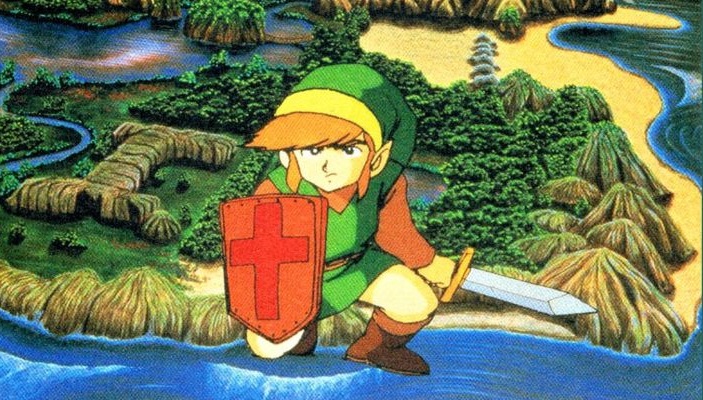
The original The Legend of Zelda debuted on Nintendo's Famicom Disk System in Japan in 1986 and on the NES in later territories.
Zelda II: The Adventure of Link arrived on the Famicom Disk System in 1987 and on the NES in subsequent international releases.
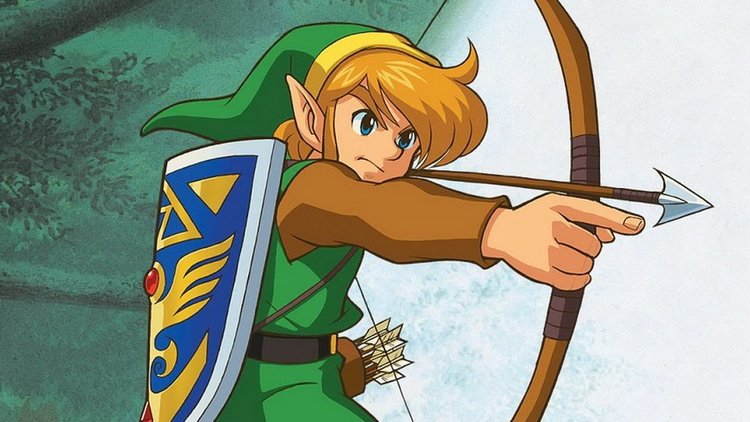
A Link to the Past launched on the Super Nintendo Entertainment System (SNES) in 1991 in Japan and 1992 in North America and Europe, and it earned widespread critical acclaim for returning the series to a top-down action-adventure format while expanding narrative and gameplay systems.
Both Zelda II and A Link to the Past have enjoyed long aftermarket lives through Nintendo's re-release programs.
A Link to the Past has appeared on SNES Classic hardware, Nintendo's Virtual Console services, and the Nintendo Switch Online SNES library; Zelda II is available through NES collections, the NES Classic, Virtual Console, and the Nintendo Switch Online NES library.
Miyamoto's frank reflections do not change the historical importance of Zelda II within Nintendo's catalog: it represents an experimental detour in mechanics and tone between two landmark entries.
His comments, as reported by GamesRadar, clarify Nintendo's own retrospective framing of the series' chronology and development history, while underscoring Miyamoto's role as concept originator and senior creative voice for the franchise.
Miyamoto told GamesRadar that the concept for Zelda II originated with him, but the actual development was handled by a different internal Nintendo team.
In his assessment, the game did not evolve during production the way his other projects typically do: while Miyamoto said he expects his games to improve through iterative development and new ideas, Zelda II largely remained as first conceived, which he characterized as a shortcoming.
Rewriting Miyamoto's remarks in journalistic terms: he acknowledged that Zelda II began as his idea but was executed by another group inside Nintendo, and he believes the title failed to reach the creative growth seen in other entries.
Internally at Nintendo, Miyamoto explained, The Legend of Zelda: A Link to the Past for the Super Nintendo is regarded as the true follow-up to the original The Legend of Zelda, while Zelda II is considered more of a side story that chronicles events that happen to Link after the first game.
Factually verifiable context helps place those comments in franchise history.
The original The Legend of Zelda debuted on Nintendo's Famicom Disk System in Japan in 1986 and on the NES in later territories.
Zelda II: The Adventure of Link arrived on the Famicom Disk System in 1987 and on the NES in subsequent international releases.
A Link to the Past launched on the Super Nintendo Entertainment System (SNES) in 1991 in Japan and 1992 in North America and Europe, and it earned widespread critical acclaim for returning the series to a top-down action-adventure format while expanding narrative and gameplay systems.
Both Zelda II and A Link to the Past have enjoyed long aftermarket lives through Nintendo's re-release programs.
A Link to the Past has appeared on SNES Classic hardware, Nintendo's Virtual Console services, and the Nintendo Switch Online SNES library; Zelda II is available through NES collections, the NES Classic, Virtual Console, and the Nintendo Switch Online NES library.
Miyamoto's frank reflections do not change the historical importance of Zelda II within Nintendo's catalog: it represents an experimental detour in mechanics and tone between two landmark entries.
His comments, as reported by GamesRadar, clarify Nintendo's own retrospective framing of the series' chronology and development history, while underscoring Miyamoto's role as concept originator and senior creative voice for the franchise.