

Nintendo's sustained commercial and cultural success stems, the company says, from a design philosophy that privileges fun and long-term fan engagement over short-term financial calculations.
In a recent Famitsu interview, veteran creator Shigeru Miyamoto reiterated that Nintendo begins development by asking who the game is for and how it will be genuinely enjoyable, rather than starting from current trends or immediate revenue forecasts.
Miyamoto told Famitsu that Nintendo does not lead with questions about depreciation or recouping costs; instead, the company focuses on making the best possible product that expresses the creators' unique vision.
Paraphrasing his remarks: Nintendo asks who is funding and playing the game, and rejects design choices driven chiefly by short‑term profit targets.
He argued that prioritizing immediate returns risks burning out talent and producing safe, generic products rather than original experiences.
The interview recapped concrete examples of that approach.
Miyamoto pointed to Splatoon, which launched on Wii U in May 2015, as a title born from a simple, fundamental design question — what would emerge from a game built around painting territory and competing for control — and then iterating until the concept became a full game.
He also referenced Pokémon Red and Green, released in Japan in 1996, noting that Satoshi Tajiri's personal hobby of insect collecting shaped the series' core systems, including trading and collection, producing a game that differed from existing RPG conventions.
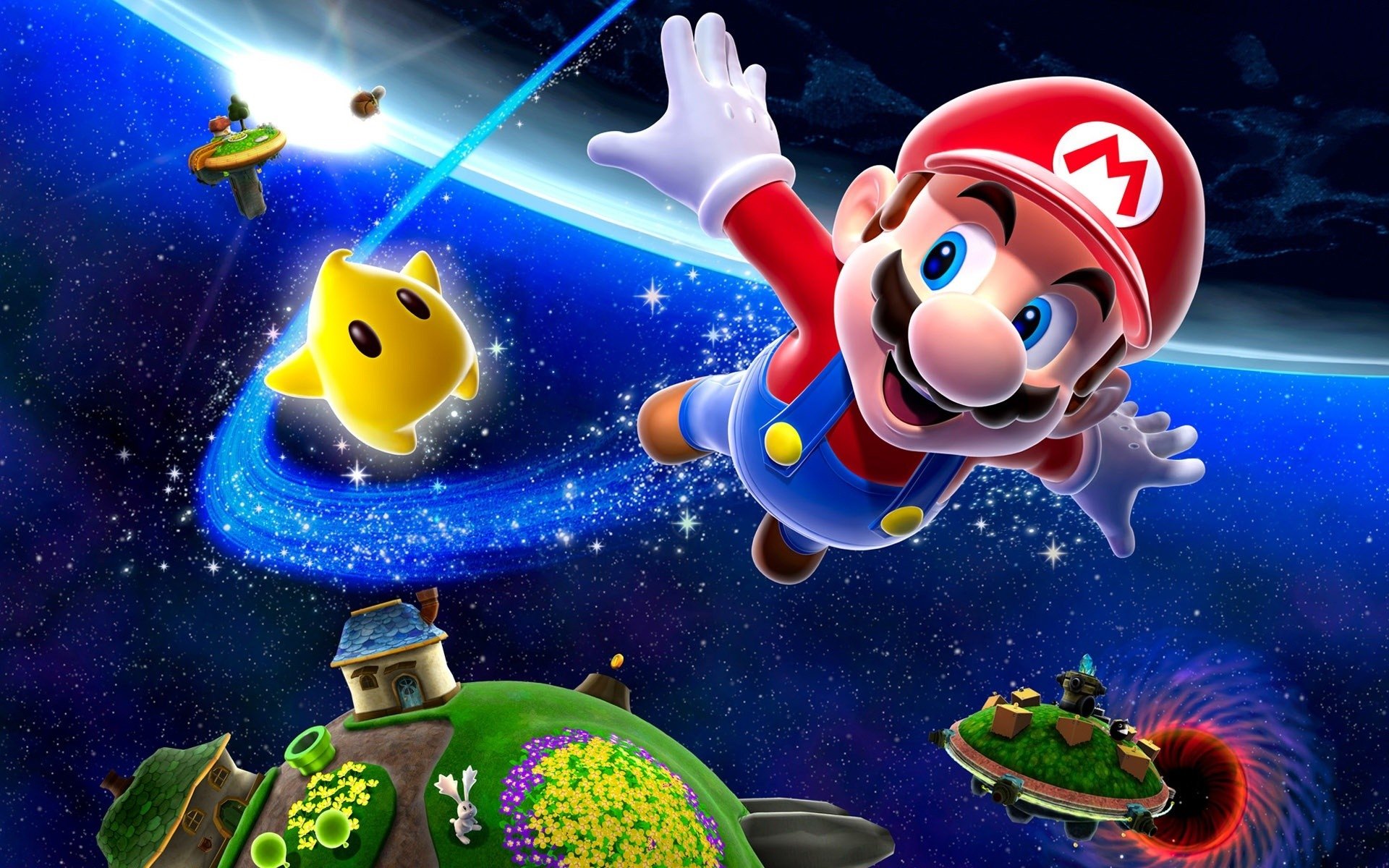
Miyamoto additionally discussed how Nintendo frames remakes and adaptations, defended the value of taking time to realize ideas properly, and noted the influence of the Super Mario Galaxy movie on internal conversations about development pipelines.
He emphasized that the ideal relationship between creators and company leadership is one where patience and trust result in both critical success and financial reward.
This perspective helps explain why Nintendo's franchises have remained prominent through multiple hardware generations.
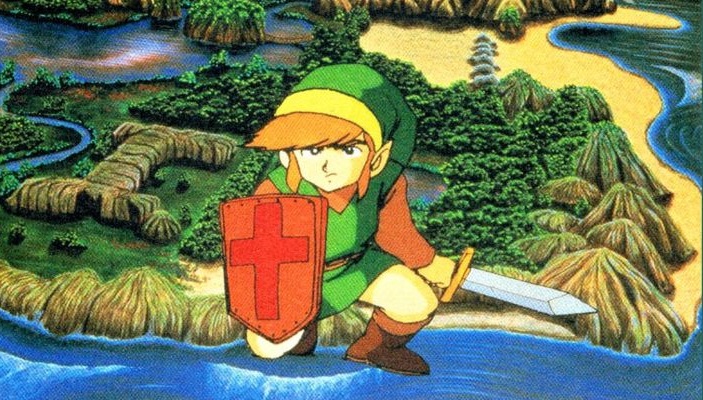
The Nintendo Switch era saw major entries such as The Legend of Zelda: Breath of the Wild, released March 3, 2017, and Animal Crossing: New Horizons, released March 20, 2020, both of which expanded their series' audiences.
Miyamoto's remarks provide a window into why Nintendo continues to prioritize distinct, creator-led design on platforms including the Nintendo Switch and the eShop, and why those choices remain central to the company's long-term strategy.
In a recent Famitsu interview, veteran creator Shigeru Miyamoto reiterated that Nintendo begins development by asking who the game is for and how it will be genuinely enjoyable, rather than starting from current trends or immediate revenue forecasts.
Miyamoto told Famitsu that Nintendo does not lead with questions about depreciation or recouping costs; instead, the company focuses on making the best possible product that expresses the creators' unique vision.
Paraphrasing his remarks: Nintendo asks who is funding and playing the game, and rejects design choices driven chiefly by short‑term profit targets.
He argued that prioritizing immediate returns risks burning out talent and producing safe, generic products rather than original experiences.
The interview recapped concrete examples of that approach.
Miyamoto pointed to Splatoon, which launched on Wii U in May 2015, as a title born from a simple, fundamental design question — what would emerge from a game built around painting territory and competing for control — and then iterating until the concept became a full game.
He also referenced Pokémon Red and Green, released in Japan in 1996, noting that Satoshi Tajiri's personal hobby of insect collecting shaped the series' core systems, including trading and collection, producing a game that differed from existing RPG conventions.
Miyamoto additionally discussed how Nintendo frames remakes and adaptations, defended the value of taking time to realize ideas properly, and noted the influence of the Super Mario Galaxy movie on internal conversations about development pipelines.
He emphasized that the ideal relationship between creators and company leadership is one where patience and trust result in both critical success and financial reward.
This perspective helps explain why Nintendo's franchises have remained prominent through multiple hardware generations.
The Nintendo Switch era saw major entries such as The Legend of Zelda: Breath of the Wild, released March 3, 2017, and Animal Crossing: New Horizons, released March 20, 2020, both of which expanded their series' audiences.
Miyamoto's remarks provide a window into why Nintendo continues to prioritize distinct, creator-led design on platforms including the Nintendo Switch and the eShop, and why those choices remain central to the company's long-term strategy.