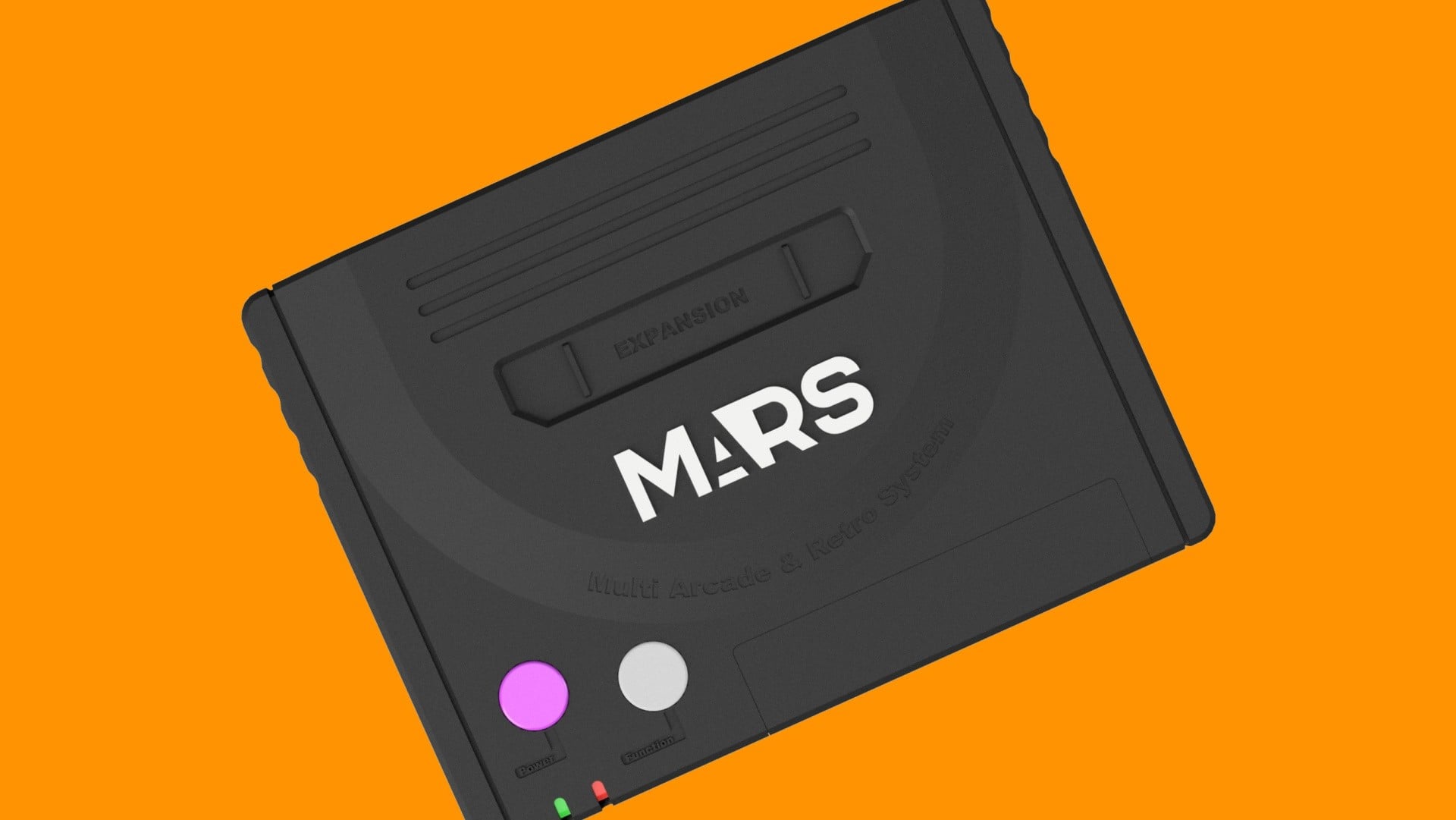
The MARS FPGA console, once heralded as a potential powerhouse in the retro gaming hardware landscape, has officially been discontinued.
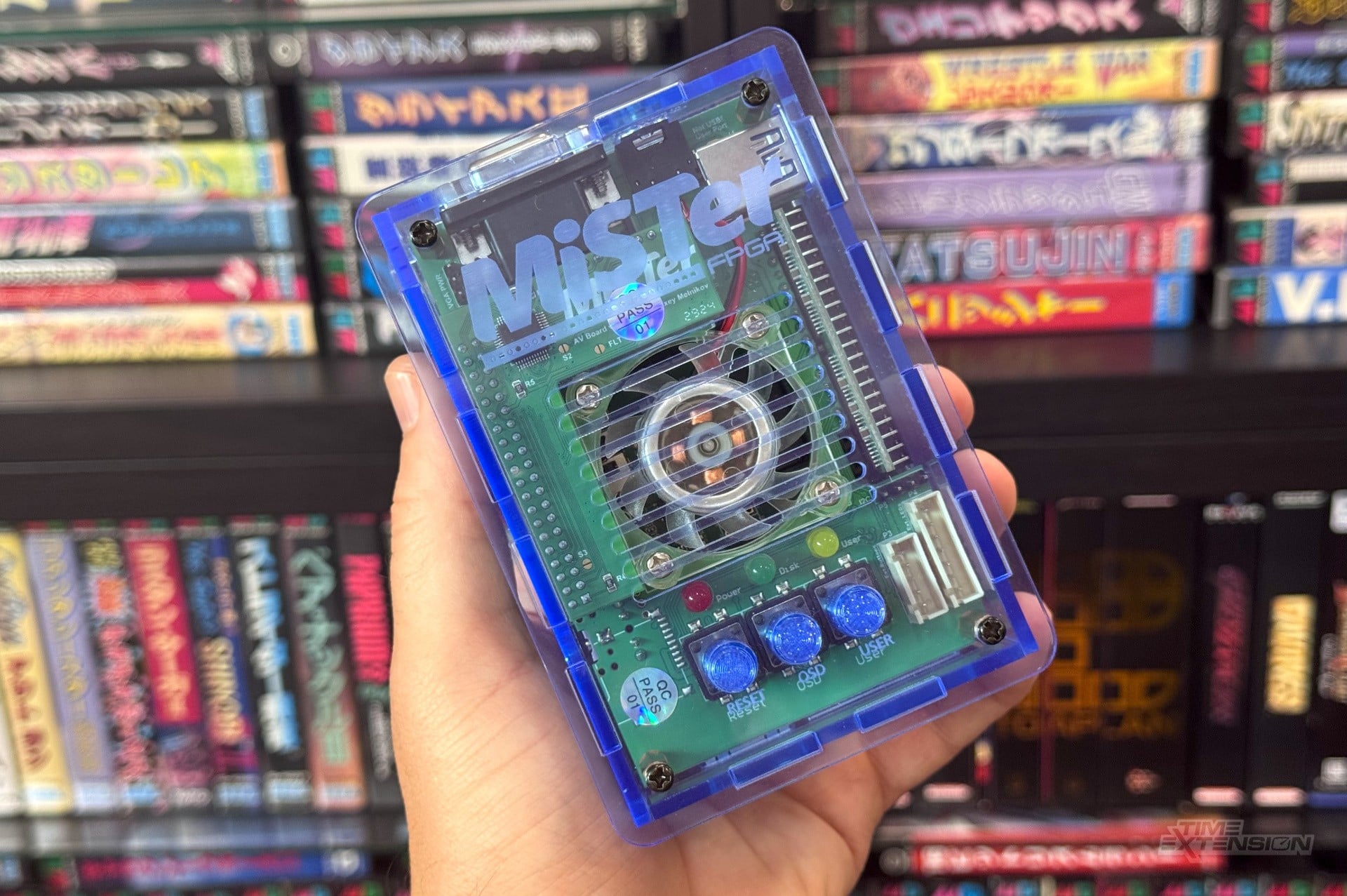
The project's cancellation marks the end of an ambitious effort to rival the MiSTer FPGA system, delivering advanced emulation capabilities for classic gaming consoles such as the Sega Dreamcast.
MARS FPGA was championed by a team of established developers and hardware designers, including Todd Gill, a respected figure within the FPGA community.
The console was positioned to break new ground in accuracy and compatibility, offering a solution for enthusiasts seeking a more robust alternative to software-based emulation.
The news of the project's demise was confirmed by Todd Gill via a statement in the project's Discord channel.
Speaking candidly, Gill revealed that the lead developer responsible for the hardware board ceased all communication with the rest of the team, bringing development to an abrupt halt.
'The individual working on the MARS board simply vanished, leaving the project in limbo,' Gill shared in the update.
He went on to state that the remaining members had been 'completely ghosted,' meaning no further progress could be achieved on the console’s hardware.
At its conceptual stage, the MARS FPGA console was pitched as a direct competitor to the popular MiSTer FPGA system, with the promise of a significantly more powerful core.
It was reportedly designed to allow users to connect genuine controllers and use authentic cartridges, thereby offering an authentic retro experience.
The team behind MARS included influential FPGA developer Flxel, recognized for advancements in 3DO and Dreamcast emulation, and Mike Chi, the creator of RetroTINK.
Another notable contributor, FPGA designer Wizzo, amicably departed the team last year.
The projected retail price of the MARS console was set to be around $699, aimed at the high end of the enthusiast market.
By harnessing advanced FPGA technology, the system aspired to offer cycle-accurate emulation for a range of legacy consoles.
While the discontinuation of the MARS FPGA console is disappointing news for retro gaming and hardware aficionados, the announcement reflects the challenges inherent in crowdfunded or community-led hardware projects.
With the MiSTer FPGA platform continuing to receive active development and support, it remains a primary choice for those seeking hardware-accurate classic game emulation.
The MARS team’s efforts, although now concluded, underscored the ongoing demand and innovation within the niche of FPGA-driven console projects.
The project's cancellation marks the end of an ambitious effort to rival the MiSTer FPGA system, delivering advanced emulation capabilities for classic gaming consoles such as the Sega Dreamcast.
MARS FPGA was championed by a team of established developers and hardware designers, including Todd Gill, a respected figure within the FPGA community.
The console was positioned to break new ground in accuracy and compatibility, offering a solution for enthusiasts seeking a more robust alternative to software-based emulation.
The news of the project's demise was confirmed by Todd Gill via a statement in the project's Discord channel.
Speaking candidly, Gill revealed that the lead developer responsible for the hardware board ceased all communication with the rest of the team, bringing development to an abrupt halt.
'The individual working on the MARS board simply vanished, leaving the project in limbo,' Gill shared in the update.
He went on to state that the remaining members had been 'completely ghosted,' meaning no further progress could be achieved on the console’s hardware.
At its conceptual stage, the MARS FPGA console was pitched as a direct competitor to the popular MiSTer FPGA system, with the promise of a significantly more powerful core.
It was reportedly designed to allow users to connect genuine controllers and use authentic cartridges, thereby offering an authentic retro experience.
The team behind MARS included influential FPGA developer Flxel, recognized for advancements in 3DO and Dreamcast emulation, and Mike Chi, the creator of RetroTINK.
Another notable contributor, FPGA designer Wizzo, amicably departed the team last year.
The projected retail price of the MARS console was set to be around $699, aimed at the high end of the enthusiast market.
By harnessing advanced FPGA technology, the system aspired to offer cycle-accurate emulation for a range of legacy consoles.
While the discontinuation of the MARS FPGA console is disappointing news for retro gaming and hardware aficionados, the announcement reflects the challenges inherent in crowdfunded or community-led hardware projects.
With the MiSTer FPGA platform continuing to receive active development and support, it remains a primary choice for those seeking hardware-accurate classic game emulation.
The MARS team’s efforts, although now concluded, underscored the ongoing demand and innovation within the niche of FPGA-driven console projects.