

Veteran developer Kensuke Tanabe, renowned for his pivotal role in shaping the Metroid Prime series, is stepping away from Nintendo after more than forty years of distinguished service.
His retirement coincides with the completion of Metroid Prime 4: Beyond, which he identified as his final contribution to the company in an interview featured in the June issue of Nintendo Dream, recently summarized online.
Tanabe’s decision marks a significant moment for both Nintendo and the broader Metroid community.
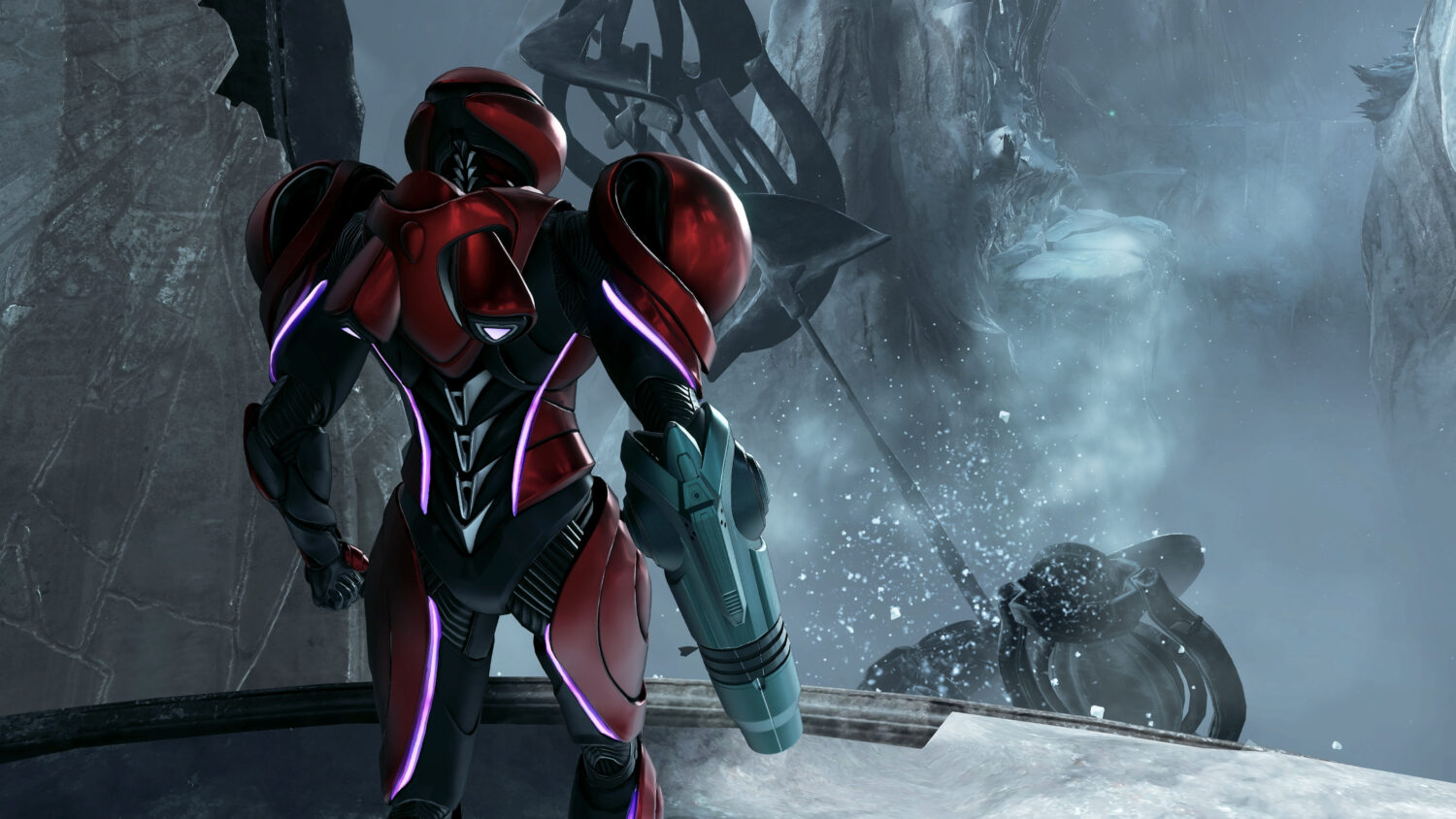
Having joined Nintendo in the early 1980s, Tanabe’s influence has been felt across some of the company’s most beloved franchises, but he is best known for serving as producer on the original Metroid Prime trilogy and several other innovative projects.
In his recent interview, Tanabe reflected, "With Metroid Prime 4: Beyond, I wanted to introduce players to experiences and emotions that stay with them long after the credits roll.
For me, that's the hallmark of a truly memorable game."
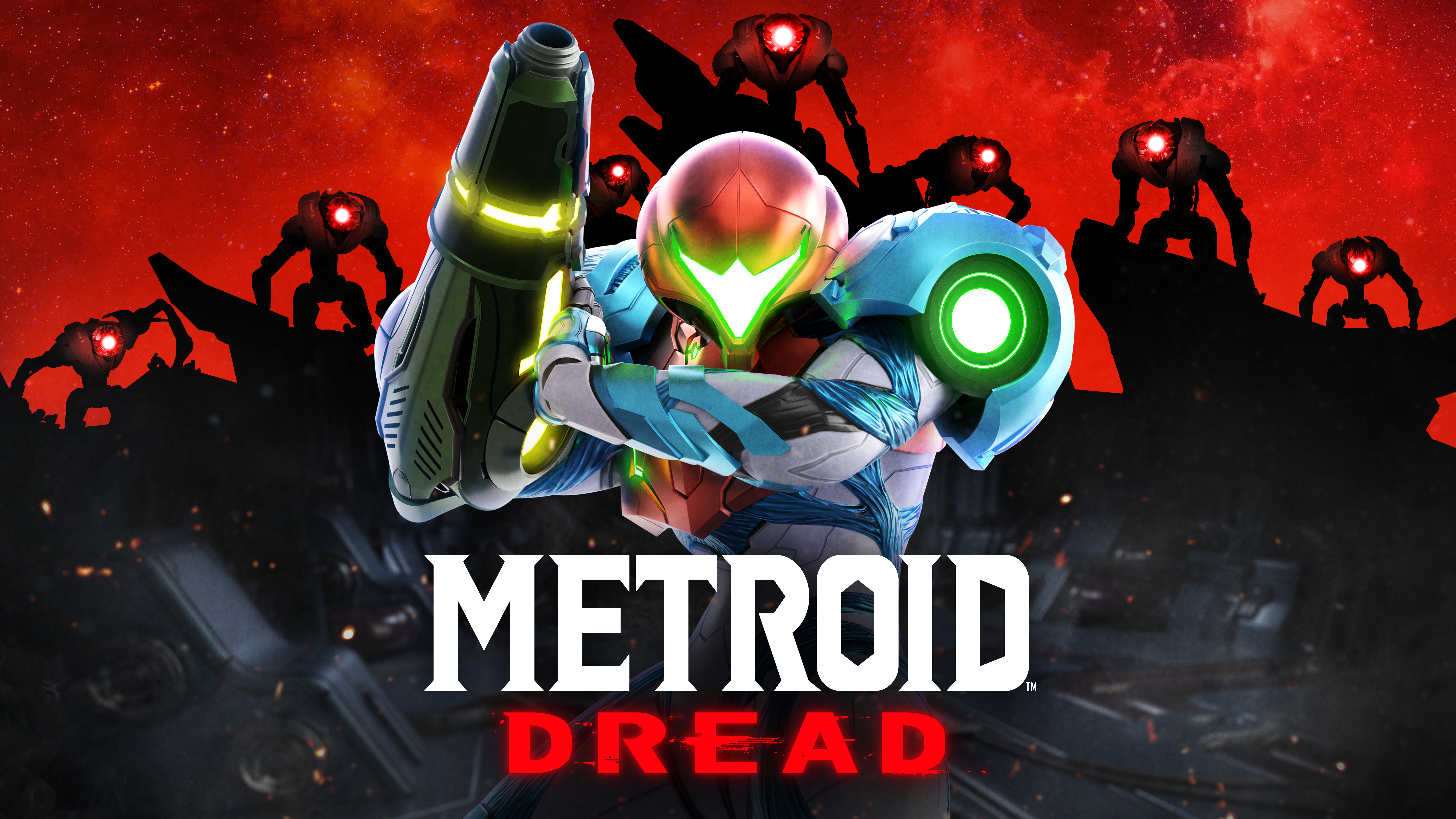
Metroid Prime 4: Beyond, developed for the Nintendo Switch, not only concludes an epoch for Tanabe but also ushers in a new era for the series under the leadership of Risa Tabata.
Tabata, who previously collaborated on entries in the Metroid Prime series as well as other high-profile Nintendo properties, will assume the producer role for any future Metroid Prime titles.
This transition ensures continuity for the franchise while promising fresh creative direction.
The interview provided several insights into Metroid Prime 4: Beyond’s development and design choices.
Notably, the subtitle “Beyond” was selected to reflect themes of crossing time and space, a core narrative element in the upcoming title.
Inspired by the success of The Legend of Zelda: Breath of the Wild and vocal fan interest in a more explorative Metroid experience, Tanabe and his team experimented with open-world gameplay.
This innovation led to the introduction of a motorcycle vehicle for series protagonist Samus Aran.
Tanabe also discussed narrative elements, revealing that during production on Metroid Prime Hunters, he intentionally left certain aspects of the character Sylux’s backstory enigmatic, with the intention of revisiting those plot threads in a future game.
This narrative direction culminated in Metroid Prime 4: Beyond being envisioned as the inaugural entry in the so-called "Sylux Saga."
According to Tanabe, the game was crafted to leave players feeling conflicted and reflective right up until the final decision, noting, "I wanted the conclusion to linger with players—something that leaves an impression, much like a powerful film.
It's not always about ending on a perfect note, but on an unforgettable one."
Another notable development challenge involved planned events that would have deepened players’ relationships with the Galactic Federation.
Regrettably, these sequences had to be omitted due to time constraints, a decision Tanabe said he deeply regrets.
Metroid Prime 4: Beyond is poised to be a key release for the Nintendo Switch, carrying forward a legacy built on decades of creative experimentation.
With Risa Tabata at the helm for future projects, both fans and the industry alike await the next chapter in the Metroid Prime saga with high anticipation.
His retirement coincides with the completion of Metroid Prime 4: Beyond, which he identified as his final contribution to the company in an interview featured in the June issue of Nintendo Dream, recently summarized online.
Tanabe’s decision marks a significant moment for both Nintendo and the broader Metroid community.
Having joined Nintendo in the early 1980s, Tanabe’s influence has been felt across some of the company’s most beloved franchises, but he is best known for serving as producer on the original Metroid Prime trilogy and several other innovative projects.
In his recent interview, Tanabe reflected, "With Metroid Prime 4: Beyond, I wanted to introduce players to experiences and emotions that stay with them long after the credits roll.
For me, that's the hallmark of a truly memorable game."
Metroid Prime 4: Beyond, developed for the Nintendo Switch, not only concludes an epoch for Tanabe but also ushers in a new era for the series under the leadership of Risa Tabata.
Tabata, who previously collaborated on entries in the Metroid Prime series as well as other high-profile Nintendo properties, will assume the producer role for any future Metroid Prime titles.
This transition ensures continuity for the franchise while promising fresh creative direction.
The interview provided several insights into Metroid Prime 4: Beyond’s development and design choices.
Notably, the subtitle “Beyond” was selected to reflect themes of crossing time and space, a core narrative element in the upcoming title.
Inspired by the success of The Legend of Zelda: Breath of the Wild and vocal fan interest in a more explorative Metroid experience, Tanabe and his team experimented with open-world gameplay.
This innovation led to the introduction of a motorcycle vehicle for series protagonist Samus Aran.
Tanabe also discussed narrative elements, revealing that during production on Metroid Prime Hunters, he intentionally left certain aspects of the character Sylux’s backstory enigmatic, with the intention of revisiting those plot threads in a future game.
This narrative direction culminated in Metroid Prime 4: Beyond being envisioned as the inaugural entry in the so-called "Sylux Saga."
According to Tanabe, the game was crafted to leave players feeling conflicted and reflective right up until the final decision, noting, "I wanted the conclusion to linger with players—something that leaves an impression, much like a powerful film.
It's not always about ending on a perfect note, but on an unforgettable one."
Another notable development challenge involved planned events that would have deepened players’ relationships with the Galactic Federation.
Regrettably, these sequences had to be omitted due to time constraints, a decision Tanabe said he deeply regrets.
Metroid Prime 4: Beyond is poised to be a key release for the Nintendo Switch, carrying forward a legacy built on decades of creative experimentation.
With Risa Tabata at the helm for future projects, both fans and the industry alike await the next chapter in the Metroid Prime saga with high anticipation.