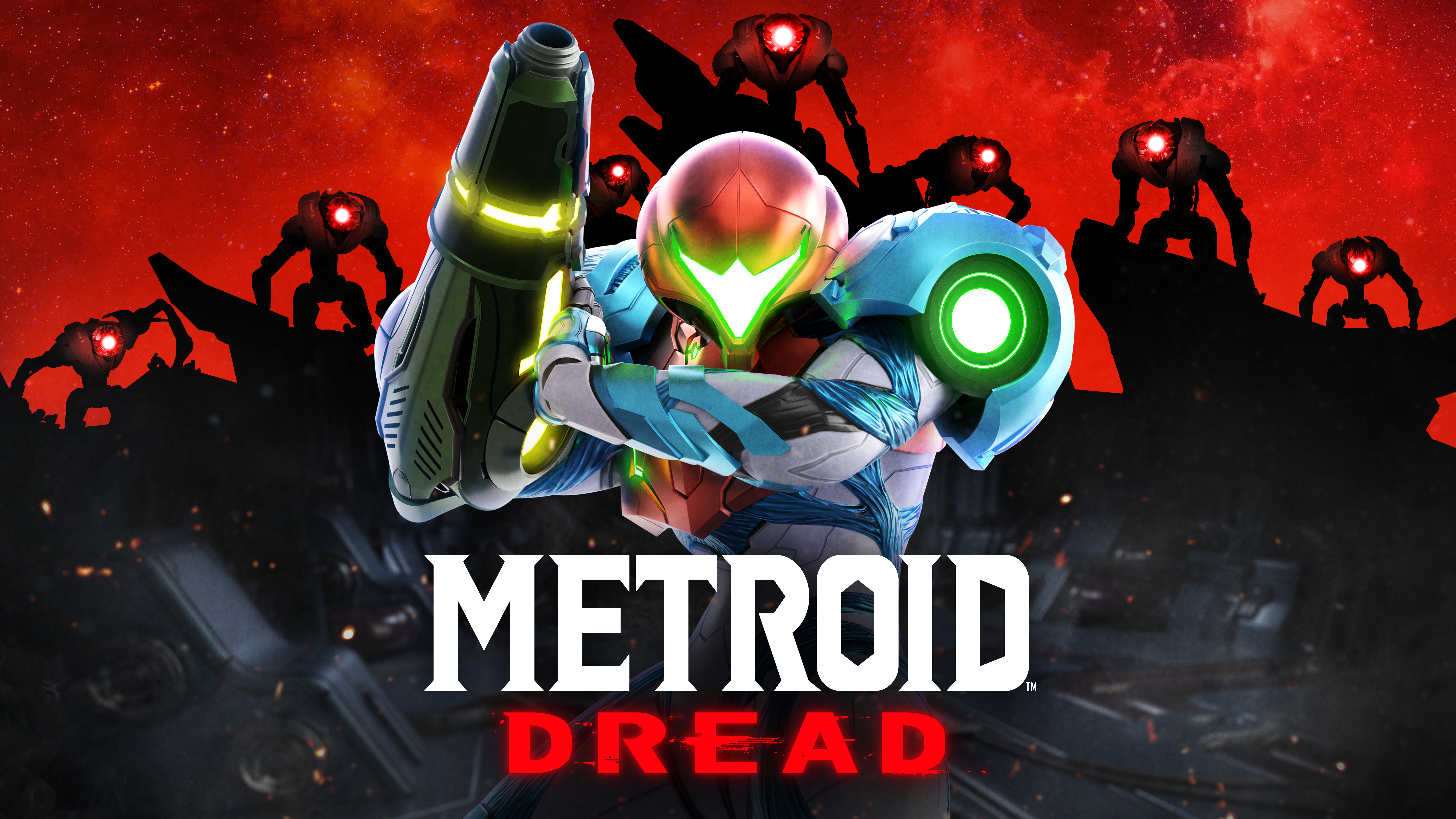


Metroid Prime 4: Beyond, the highly anticipated continuation in Retro Studios' critically acclaimed sci-fi adventure series, is making headlines for its technical prowess across both the Nintendo Switch 1 and the next-generation Switch 2 systems.
As dedicated fans explore the planet Viewros on their consoles, many are eager to know how Samus Aran’s latest chapter holds up on Nintendo’s original hybrid hardware.
Digital Foundry, renowned for its in-depth technical analyses, recently examined the Nintendo Switch 1 release of Metroid Prime 4: Beyond.
Their findings, shared through their official website and the DF Direct Weekly podcast, echo the sentiment that this game stands out as one of the most visually impressive experiences ever seen on the original Switch.
According to Digital Foundry, Metroid Prime 4: Beyond utilizes the Switch 1’s hardware remarkably well.
Despite expected visual compromises on the older device, their review noted, "Our resolution and frame-rate analysis indicate that Metroid Prime 4: Beyond ranks among the prettiest games on Nintendo Switch 1 to date." The team's positive outlook reflects the achievement of Retro Studios in extracting impressive visual fidelity and smoothness from aging hardware.
A highlight of Digital Foundry’s report is the game’s performance, which they classify as a "locked 60fps" experience across all Switch consoles.
While minor frame rate dips are observed in open-world bike sequences, they are infrequent and have negligible impact on overall gameplay.
This maintains the hallmark fluidity beloved by the Metroid fanbase.
Resolution, as expected, sees a drop on Switch 1, with geometric rendering around 504p and Samus’ visor displaying at approximately 576p.
While this is a notable decrease from 2023's Metroid Prime Remastered, Digital Foundry points out that environmental detail, dynamic shadows, and special effects remain largely consistent with the enhanced Switch 2 version.
Players can expect visual downgrades such as softer textures, lack of anti-aliasing, and more noticeable jagged edges, but the core artistic vision is faithfully preserved.
Retro Studios’ decision to prioritize performance ensures that, even with these sacrifices, the full Metroid Prime 4: Beyond experience is accessible to users on legacy hardware.
The intense action, immersive environments, and signature system design all remain integral components of the game.
In their own review last week, our staff concluded, "If you’re not planning to upgrade right away and still want to dive into Samus’ newest mission, Metroid Prime 4: Beyond is absolutely worth your time on Nintendo Switch 1." The Switch 2 version naturally offers enhanced fidelity, but both platforms deliver an outstanding entry in the iconic franchise.
Metroid Prime 4: Beyond represents another technical triumph for Retro Studios and solidifies the enduring appeal of the Nintendo Switch.
Whether you’re playing on original hardware or the latest system, Samus' adventure is set to impress both new and veteran hunters alike.
As dedicated fans explore the planet Viewros on their consoles, many are eager to know how Samus Aran’s latest chapter holds up on Nintendo’s original hybrid hardware.
Digital Foundry, renowned for its in-depth technical analyses, recently examined the Nintendo Switch 1 release of Metroid Prime 4: Beyond.
Their findings, shared through their official website and the DF Direct Weekly podcast, echo the sentiment that this game stands out as one of the most visually impressive experiences ever seen on the original Switch.
According to Digital Foundry, Metroid Prime 4: Beyond utilizes the Switch 1’s hardware remarkably well.
Despite expected visual compromises on the older device, their review noted, "Our resolution and frame-rate analysis indicate that Metroid Prime 4: Beyond ranks among the prettiest games on Nintendo Switch 1 to date." The team's positive outlook reflects the achievement of Retro Studios in extracting impressive visual fidelity and smoothness from aging hardware.
A highlight of Digital Foundry’s report is the game’s performance, which they classify as a "locked 60fps" experience across all Switch consoles.
While minor frame rate dips are observed in open-world bike sequences, they are infrequent and have negligible impact on overall gameplay.
This maintains the hallmark fluidity beloved by the Metroid fanbase.
Resolution, as expected, sees a drop on Switch 1, with geometric rendering around 504p and Samus’ visor displaying at approximately 576p.
While this is a notable decrease from 2023's Metroid Prime Remastered, Digital Foundry points out that environmental detail, dynamic shadows, and special effects remain largely consistent with the enhanced Switch 2 version.
Players can expect visual downgrades such as softer textures, lack of anti-aliasing, and more noticeable jagged edges, but the core artistic vision is faithfully preserved.
Retro Studios’ decision to prioritize performance ensures that, even with these sacrifices, the full Metroid Prime 4: Beyond experience is accessible to users on legacy hardware.
The intense action, immersive environments, and signature system design all remain integral components of the game.
In their own review last week, our staff concluded, "If you’re not planning to upgrade right away and still want to dive into Samus’ newest mission, Metroid Prime 4: Beyond is absolutely worth your time on Nintendo Switch 1." The Switch 2 version naturally offers enhanced fidelity, but both platforms deliver an outstanding entry in the iconic franchise.
Metroid Prime 4: Beyond represents another technical triumph for Retro Studios and solidifies the enduring appeal of the Nintendo Switch.
Whether you’re playing on original hardware or the latest system, Samus' adventure is set to impress both new and veteran hunters alike.