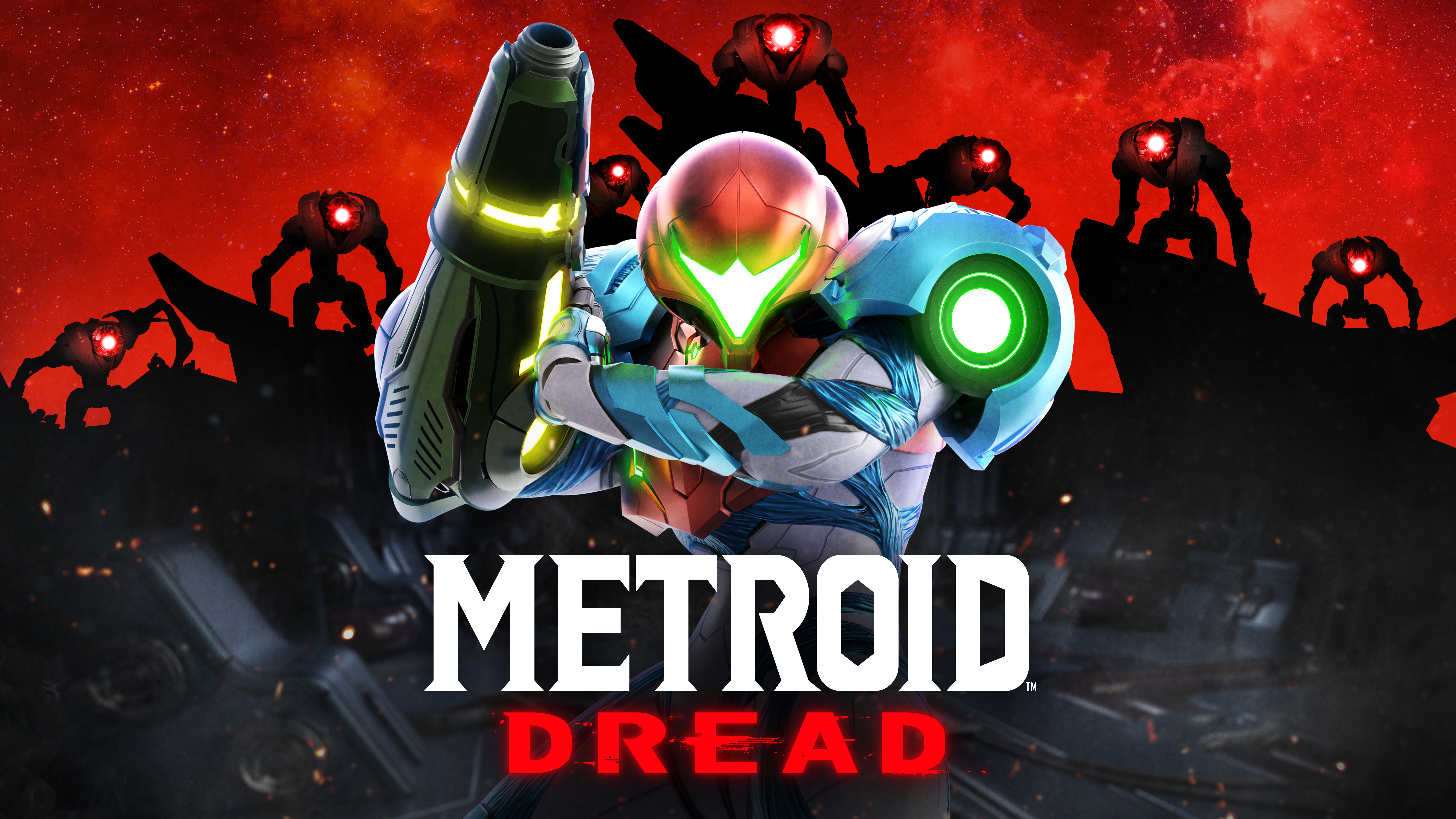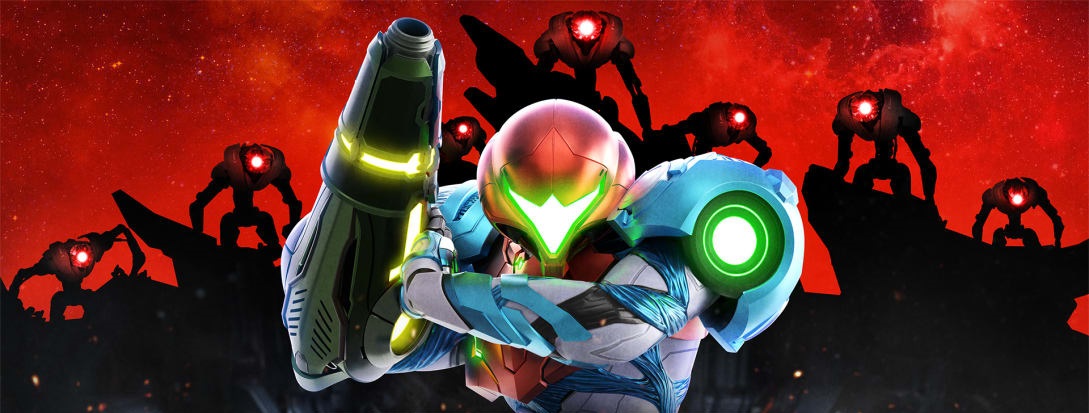
Metroid Dread, the critically acclaimed action-adventure developed by MercurySteam in collaboration with Nintendo, has captivated fans since its release on the Nintendo Switch in October 2021.
The latest entry in the legendary Metroid series continues to impress not only through its tight gameplay but also for its detailed world-building.
One standout example of this dedication to immersion is the creation of the in-game Chozo language, a process recently illuminated by Stephen Hughes, assistant voice director and the actor behind the Chozo character Quiet Robe.
In a recent discussion about the making of Metroid Dread, Hughes explained the unique challenges the MercurySteam development team confronted in developing a brand-new language for the Chozo species—a pivotal aspect in the game’s storytelling.
To ensure that the Chozo language would sound natural during the narrative-driven cutscenes, the team adopted English as the structural foundation for its syntax.
According to Hughes, this approach allowed Chozo sentences to closely mirror the structure of English ones, making it significantly easier to deliver lines with the correct emotional tone and clarity.
Hughes emphasized that crafting a language is not just about memorizing vocabulary, but also about understanding the patterns and nuances of sentence construction.
With English serving as the blueprint for the Chozo language, Hughes found it more straightforward to interpret where words belonged in sentences and to focus on his voice performance, rather than wrestling with unfamiliar grammatical rules.
This strategic linguistic decision reflects the careful planning behind Metroid Dread’s development.
By aligning the Chozo language’s syntax with English, MercurySteam and Nintendo managed to create a fictional tongue that feels consistent, believable, and accessible to players while retaining deep authenticity within the Metroid universe.
It’s a testament to the developers’ commitment to authenticity and their ongoing mission to enrich the storytelling in the Metroid series.
Metroid Dread’s release on Nintendo Switch marked a significant moment for both the franchise and the platform.
The title has achieved impressive sales milestones, quickly becoming one of the fastest-selling entries in Metroid history and earning widespread acclaim on the Nintendo eShop.
For fans and developers alike, behind-the-scenes insights such as those shared by Stephen Hughes shed light on the extraordinary effort invested in bringing the Metroid experience to life.
For aficionados of the Metroid series, the Chozo language is more than just a narrative device—it’s a symbol of the meticulous craftsmanship and creative vision that define MercurySteam and the greater Nintendo development team.
Through these creative decisions, Metroid Dread continues to stand out as a prime example of innovative game development on the Nintendo Switch, setting a high bar for future entries in the series.
The latest entry in the legendary Metroid series continues to impress not only through its tight gameplay but also for its detailed world-building.
One standout example of this dedication to immersion is the creation of the in-game Chozo language, a process recently illuminated by Stephen Hughes, assistant voice director and the actor behind the Chozo character Quiet Robe.
In a recent discussion about the making of Metroid Dread, Hughes explained the unique challenges the MercurySteam development team confronted in developing a brand-new language for the Chozo species—a pivotal aspect in the game’s storytelling.
To ensure that the Chozo language would sound natural during the narrative-driven cutscenes, the team adopted English as the structural foundation for its syntax.
According to Hughes, this approach allowed Chozo sentences to closely mirror the structure of English ones, making it significantly easier to deliver lines with the correct emotional tone and clarity.
Hughes emphasized that crafting a language is not just about memorizing vocabulary, but also about understanding the patterns and nuances of sentence construction.
With English serving as the blueprint for the Chozo language, Hughes found it more straightforward to interpret where words belonged in sentences and to focus on his voice performance, rather than wrestling with unfamiliar grammatical rules.
This strategic linguistic decision reflects the careful planning behind Metroid Dread’s development.
By aligning the Chozo language’s syntax with English, MercurySteam and Nintendo managed to create a fictional tongue that feels consistent, believable, and accessible to players while retaining deep authenticity within the Metroid universe.
It’s a testament to the developers’ commitment to authenticity and their ongoing mission to enrich the storytelling in the Metroid series.
Metroid Dread’s release on Nintendo Switch marked a significant moment for both the franchise and the platform.
The title has achieved impressive sales milestones, quickly becoming one of the fastest-selling entries in Metroid history and earning widespread acclaim on the Nintendo eShop.
For fans and developers alike, behind-the-scenes insights such as those shared by Stephen Hughes shed light on the extraordinary effort invested in bringing the Metroid experience to life.
For aficionados of the Metroid series, the Chozo language is more than just a narrative device—it’s a symbol of the meticulous craftsmanship and creative vision that define MercurySteam and the greater Nintendo development team.
Through these creative decisions, Metroid Dread continues to stand out as a prime example of innovative game development on the Nintendo Switch, setting a high bar for future entries in the series.