Metroid Dread Review: MercurySteam and Nintendo Redefine the 2D Metroid Experience on Nintendo Switch
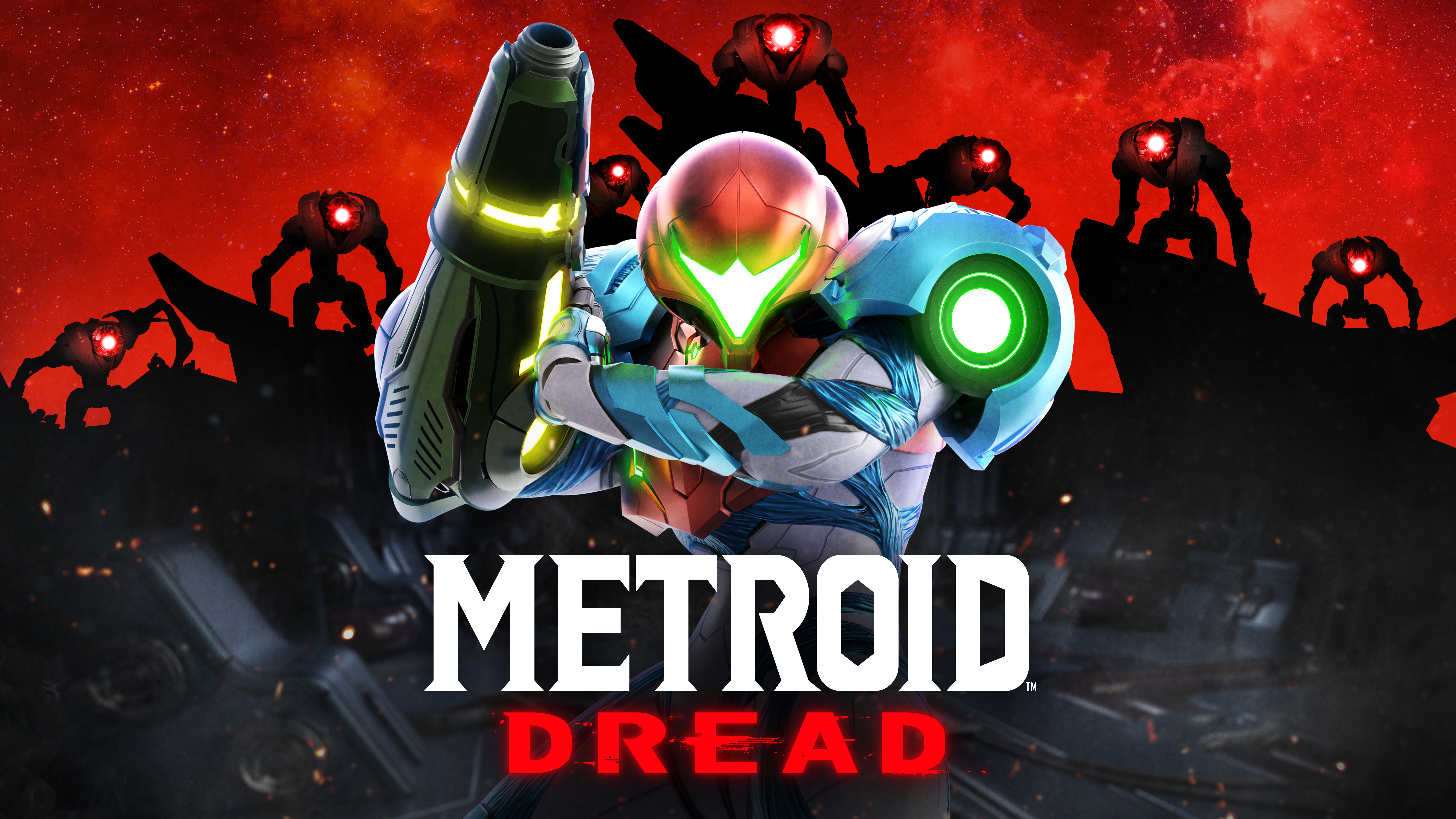
Metroid Dread marks an electrifying return for one of Nintendo’s most storied franchises, delivering a polished, atmospheric side-scrolling adventure for the Nintendo Switch.
Developed by the collaborative efforts of Nintendo and the Madrid-based studio MercurySteam, Metroid Dread’s journey from a shelved prototype to a global release is a remarkable story of perseverance and innovation within the industry.
First announced during Nintendo’s E3 2021 Nintendo Direct presentation, Metroid Dread stunned fans when it was revealed as the long-lost sequel once destined for the Nintendo DS.
The partnership came to fruition after MercurySteam demonstrated their expertise with Metroid: Samus Returns on Nintendo 3DS, prompting Nintendo to entrust them with reviving this long-awaited project.
Released on October 8, 2021, Metroid Dread instantly built momentum, quickly earning critical acclaim and commercial success.
Concluding a narrative arc 35 years in the making, Metroid Dread follows Samus Aran, the legendary intergalactic bounty hunter, as she embarks to planet ZDR.
A mysterious transmission reveals that the deadly X Parasite has reemerged, leading the Galactic Federation to deploy seven E.M.M.I. (Extraplanetary Multiform Mobile Identifiers) robots for investigation—until all contact is lost.
As the only individual immune to the X Parasites, Samus must uncover the truth while facing the threat posed by the rogue E.M.M.I. units.
Her journey begins with a harrowing defeat at the hands of a mysterious Chozo warrior, leaving her vulnerable and prompting a tense, methodical quest to regain her lost powers.
MercurySteam’s craftsmanship shines throughout Metroid Dread, which the team describes as “the culmination of all the 2D Metroid games that came before it.” With backing from Nintendo EPD, the developers refined every aspect—from Samus’ swift, responsive movements to the gripping, cinematic cutscenes that alternate between perspectives for maximum impact.
These elements coalesce to reinforce why Nintendo placed such trust in MercurySteam’s vision.
Metroid Dread meticulously balances series hallmarks—exploration, upgrade-driven progression, and atmospheric storytelling—with exhilarating new combat mechanics.
Encounters with the E.M.M.I. represent the heart of the game’s tension; these relentless robotic foes hunt Samus with an unnerving intensity, using advanced sensors to track movement and pursue her through complex environments.
A spoken statement from in-game AI ADAM warns that being caught by an E.M.M.I. means “a 99% probability of death,” encapsulating the ever-present dread that defines this entry.
As players grow more skilled and reacquire Samus’ arsenal, even formidable obstacles become surmountable—the E.M.M.I.’s once-impenetrable armor can eventually be destroyed by the Omega Cannon after defeating Central Units.
The dynamic camera work and pulse-pounding pace of these showdowns accentuate the series’ signature suspense and reward mastery.
Boss fights in Metroid Dread rank among the most satisfying in the franchise, showcasing a fair but challenging design ethos.
The visual presentation is another highlight—especially when experienced in handheld mode on the Nintendo Switch OLED Model.
The console’s vibrant 7-inch OLED display brings the game’s rich color palette and striking contrast to life, offering an enhanced experience without diminishing the quality on standard Nintendo Switch or Nintendo Switch Lite systems.
Some players may encounter moments of uncertainty when navigating ZDR’s labyrinthine corridors, which can occasionally obscure the path forward.
However, this deliberate design choice caters to the series’ traditional sense of discovery and replayability, striking a balance between challenge and reward.
Metroid Dread stands as a testament to both Nintendo and MercurySteam’s dedication to the series, successfully transforming a once-abandoned concept into one of the strongest 2D Metroid titles to date.
For veterans and newcomers alike, the game delivers a standout sci-fi adventure that not only honors its legacy but also lays the foundation for future interstellar exploits with Samus Aran.
Metroid Dread marks an electrifying return for one of Nintendo’s most storied franchises, delivering a polished, atmospheric side-scrolling adventure for the Nintendo Switch.
Developed by the collaborative efforts of Nintendo and the Madrid-based studio MercurySteam, Metroid Dread’s journey from a shelved prototype to a global release is a remarkable story of perseverance and innovation within the industry.
First announced during Nintendo’s E3 2021 Nintendo Direct presentation, Metroid Dread stunned fans when it was revealed as the long-lost sequel once destined for the Nintendo DS.
The partnership came to fruition after MercurySteam demonstrated their expertise with Metroid: Samus Returns on Nintendo 3DS, prompting Nintendo to entrust them with reviving this long-awaited project.
Released on October 8, 2021, Metroid Dread instantly built momentum, quickly earning critical acclaim and commercial success.
Concluding a narrative arc 35 years in the making, Metroid Dread follows Samus Aran, the legendary intergalactic bounty hunter, as she embarks to planet ZDR.
A mysterious transmission reveals that the deadly X Parasite has reemerged, leading the Galactic Federation to deploy seven E.M.M.I. (Extraplanetary Multiform Mobile Identifiers) robots for investigation—until all contact is lost.
As the only individual immune to the X Parasites, Samus must uncover the truth while facing the threat posed by the rogue E.M.M.I. units.
Her journey begins with a harrowing defeat at the hands of a mysterious Chozo warrior, leaving her vulnerable and prompting a tense, methodical quest to regain her lost powers.
MercurySteam’s craftsmanship shines throughout Metroid Dread, which the team describes as “the culmination of all the 2D Metroid games that came before it.” With backing from Nintendo EPD, the developers refined every aspect—from Samus’ swift, responsive movements to the gripping, cinematic cutscenes that alternate between perspectives for maximum impact.
These elements coalesce to reinforce why Nintendo placed such trust in MercurySteam’s vision.
Metroid Dread meticulously balances series hallmarks—exploration, upgrade-driven progression, and atmospheric storytelling—with exhilarating new combat mechanics.
Encounters with the E.M.M.I. represent the heart of the game’s tension; these relentless robotic foes hunt Samus with an unnerving intensity, using advanced sensors to track movement and pursue her through complex environments.
A spoken statement from in-game AI ADAM warns that being caught by an E.M.M.I. means “a 99% probability of death,” encapsulating the ever-present dread that defines this entry.
As players grow more skilled and reacquire Samus’ arsenal, even formidable obstacles become surmountable—the E.M.M.I.’s once-impenetrable armor can eventually be destroyed by the Omega Cannon after defeating Central Units.
The dynamic camera work and pulse-pounding pace of these showdowns accentuate the series’ signature suspense and reward mastery.
Boss fights in Metroid Dread rank among the most satisfying in the franchise, showcasing a fair but challenging design ethos.
The visual presentation is another highlight—especially when experienced in handheld mode on the Nintendo Switch OLED Model.
The console’s vibrant 7-inch OLED display brings the game’s rich color palette and striking contrast to life, offering an enhanced experience without diminishing the quality on standard Nintendo Switch or Nintendo Switch Lite systems.
Some players may encounter moments of uncertainty when navigating ZDR’s labyrinthine corridors, which can occasionally obscure the path forward.
However, this deliberate design choice caters to the series’ traditional sense of discovery and replayability, striking a balance between challenge and reward.
Metroid Dread stands as a testament to both Nintendo and MercurySteam’s dedication to the series, successfully transforming a once-abandoned concept into one of the strongest 2D Metroid titles to date.
For veterans and newcomers alike, the game delivers a standout sci-fi adventure that not only honors its legacy but also lays the foundation for future interstellar exploits with Samus Aran.