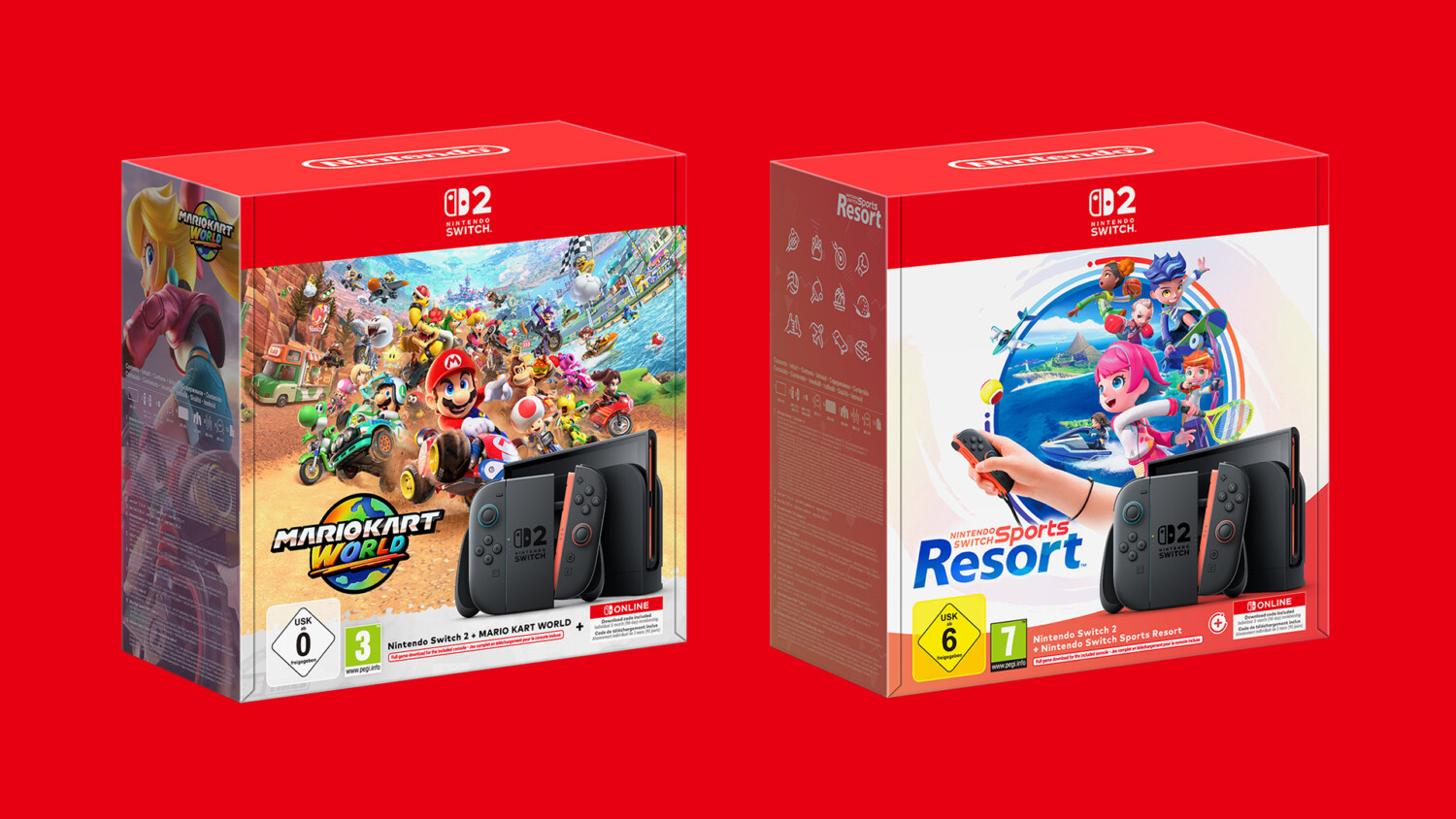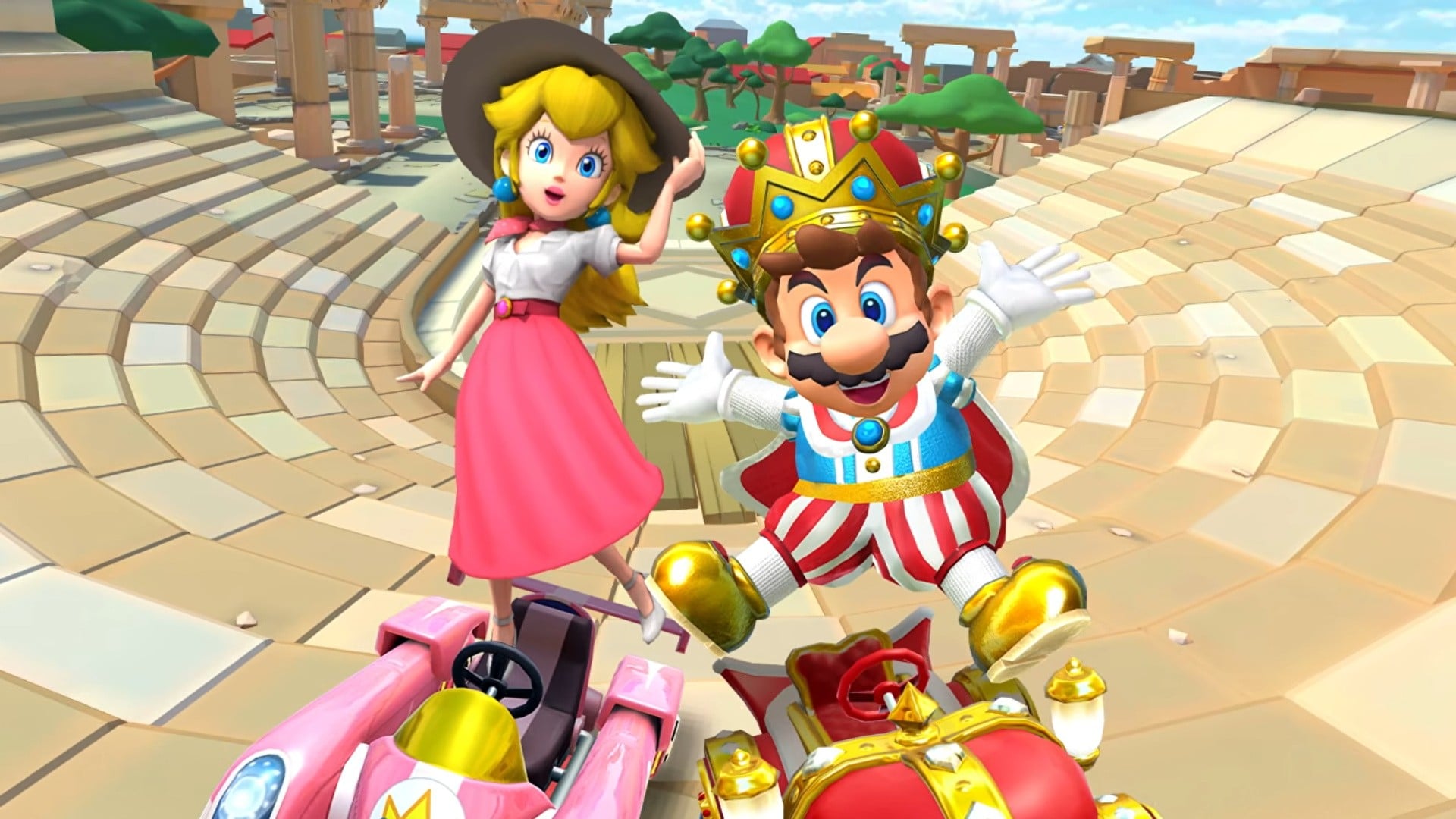
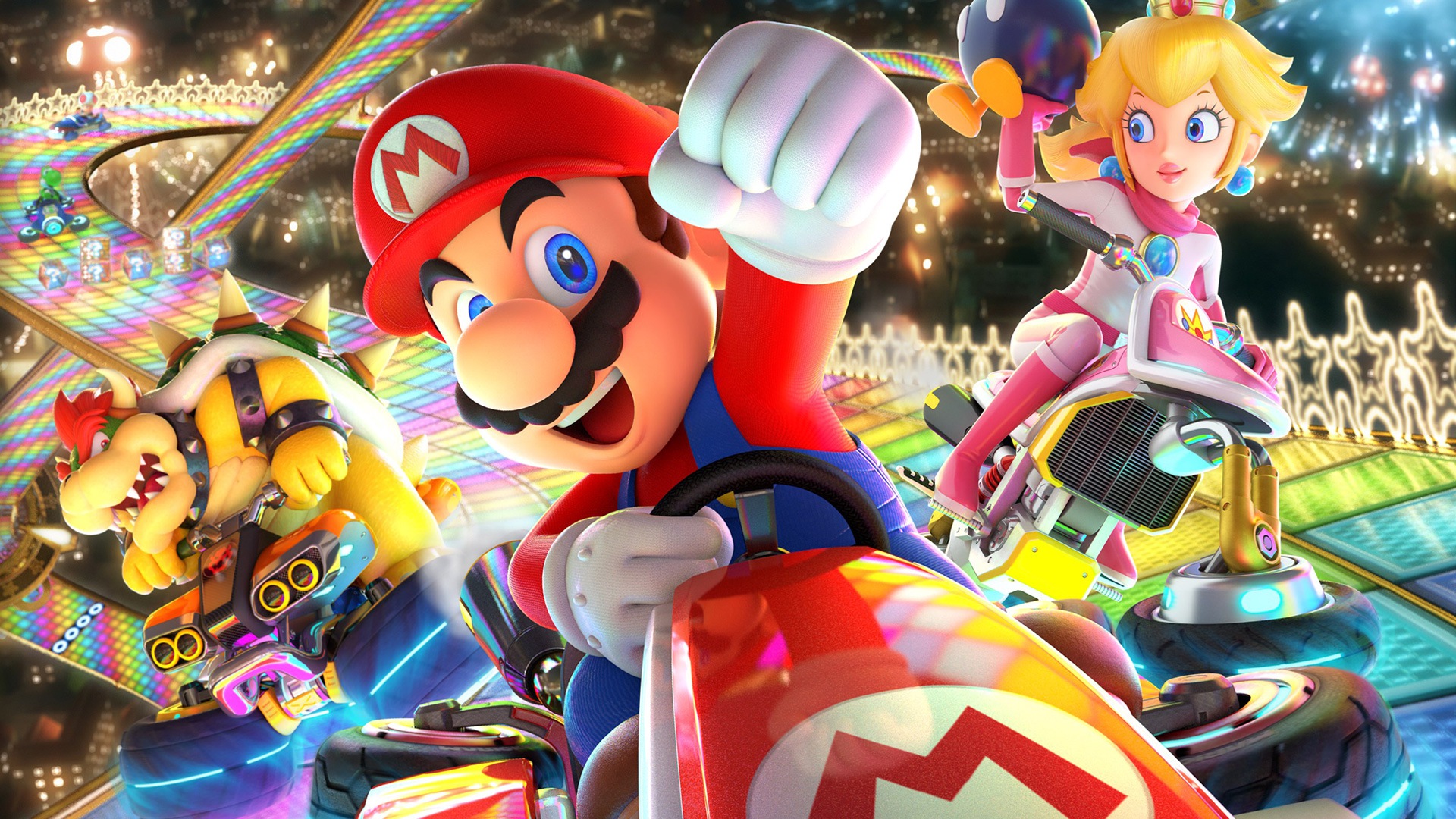
Nintendo has shared a rare behind-the-scenes look at the map design process for Mario Kart World.
In a post on the company’s recruitment site, a UI/UX designer from Nintendo’s Planning and Development division detailed how the team created a single, explorable world map intended to make navigation intuitive while preserving the excitement of selecting and racing on individual tracks.
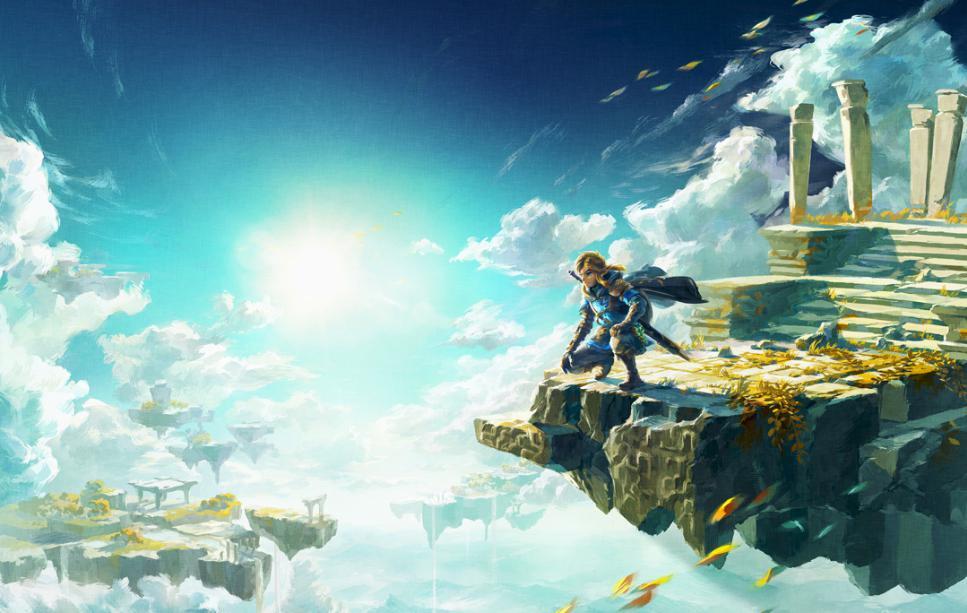
The designer also noted prior UI work on titles including Wii Fit Plus, Mario Kart 8 Deluxe, and The Legend of Zelda: Tears of the Kingdom.
Design priorities and visual hierarchy
The designer explained that the shift from standalone tracks to a wide, connected world required a map that players could understand at a glance.
To achieve that, the team established a clear visual order: track icons should draw attention first, then the roads that link them, and finally the broader land or terrain.
This deliberate hierarchy—tracks → roads → land—was used to avoid overwhelming players with information and to help them quickly answer “where am I?” and “where should I go next?”.
Iconography and craft
Because each track must be recognizable even at small sizes, the team captured every course using palm-sized miniatures and combined physical dioramas with stylized art to create distinctive track icons.
The designer said they worked closely with art directors and track creators, repeatedly playtested and drove each course to identify the most memorable elements, and then decided which features to include or omit in each icon.
Visual adjustments—brightness, saturation, contrast and detail density—were iterated until the map read correctly as a whole.
Integration and player experience
Beyond standalone presentation, the map was designed to interact with the game’s navigation systems.
The designer noted the map appears in multiple contexts—such as loading screens and the online voting interface—so players can naturally orient themselves during different gameplay moments.
That continuity, they said, helps maintain the sensation of being inside Mario Kart World whether replaying a favorite track or moving on to new content.
Design as storytelling and merchandise
The post also highlights how the world map evolved into a broader piece of the title’s identity: it now serves as an in-game navigational tool, a showcase of the game world, and even a piece of merchandise that keeps the world present for players outside of gameplay.
Recent update and credits
Mario Kart World recently received a version 1.6.1 update.
The translated excerpts in Nintendo’s recruitment post were provided by SatsumaFS and Simon Griffin on behalf of Nintendo Everything.
Why it matters
Nintendo’s methodical approach to visual hierarchy, physical prototyping and cross-discipline collaboration underscores how UI/UX design can both simplify player decision-making and deepen immersion—lessons that resonate across development for Nintendo platforms, including titles on the Nintendo Switch.
In a post on the company’s recruitment site, a UI/UX designer from Nintendo’s Planning and Development division detailed how the team created a single, explorable world map intended to make navigation intuitive while preserving the excitement of selecting and racing on individual tracks.
The designer also noted prior UI work on titles including Wii Fit Plus, Mario Kart 8 Deluxe, and The Legend of Zelda: Tears of the Kingdom.
Design priorities and visual hierarchy
The designer explained that the shift from standalone tracks to a wide, connected world required a map that players could understand at a glance.
To achieve that, the team established a clear visual order: track icons should draw attention first, then the roads that link them, and finally the broader land or terrain.
This deliberate hierarchy—tracks → roads → land—was used to avoid overwhelming players with information and to help them quickly answer “where am I?” and “where should I go next?”.
Iconography and craft
Because each track must be recognizable even at small sizes, the team captured every course using palm-sized miniatures and combined physical dioramas with stylized art to create distinctive track icons.
The designer said they worked closely with art directors and track creators, repeatedly playtested and drove each course to identify the most memorable elements, and then decided which features to include or omit in each icon.
Visual adjustments—brightness, saturation, contrast and detail density—were iterated until the map read correctly as a whole.
Integration and player experience
Beyond standalone presentation, the map was designed to interact with the game’s navigation systems.
The designer noted the map appears in multiple contexts—such as loading screens and the online voting interface—so players can naturally orient themselves during different gameplay moments.
That continuity, they said, helps maintain the sensation of being inside Mario Kart World whether replaying a favorite track or moving on to new content.
Design as storytelling and merchandise
The post also highlights how the world map evolved into a broader piece of the title’s identity: it now serves as an in-game navigational tool, a showcase of the game world, and even a piece of merchandise that keeps the world present for players outside of gameplay.
Recent update and credits
Mario Kart World recently received a version 1.6.1 update.
The translated excerpts in Nintendo’s recruitment post were provided by SatsumaFS and Simon Griffin on behalf of Nintendo Everything.
Why it matters
Nintendo’s methodical approach to visual hierarchy, physical prototyping and cross-discipline collaboration underscores how UI/UX design can both simplify player decision-making and deepen immersion—lessons that resonate across development for Nintendo platforms, including titles on the Nintendo Switch.