
The anticipation for The Legend of Zelda movie continues to build as Nintendo readies its iconic franchise for the big screen.
As the beloved series marks its 40th anniversary in 2024, the upcoming adaptation, set to premiere in theaters on May 7, 2026, promises to be a significant milestone for both the franchise and fans worldwide.
The film arrives at a time when The Legend of Zelda remains a hallmark of gaming, consistently ranking among the most celebrated intellectual properties on Nintendo platforms such as the Nintendo Switch and the eShop.
However, the prospect of translating the silent hero Link—with his trademark wordless presence—into a cinematic protagonist has sparked discussion within the game development community.
Takaya Imamura, the veteran Nintendo art director responsible for iconic titles including The Legend of Zelda: Majora’s Mask and The Legend of Zelda: A Link to the Past, as well as Star Fox 64 and F-Zero X, recently weighed in on the subject.
Imamura, who retired from Nintendo in 2021 after a career spanning over three decades, shared his thoughts on social media regarding the upcoming Zelda movie.
In a concise but heartfelt statement, he noted, "When Link finally speaks, I can't help but feel a bit apprehensive that the 'Zelda magic' so many fans cherish might disappear." He elaborated further in a conversation with fans, conveying the sentiment that while Link is expected to speak in the film, he will likely remain a man of few words—a taciturn figure on screen.
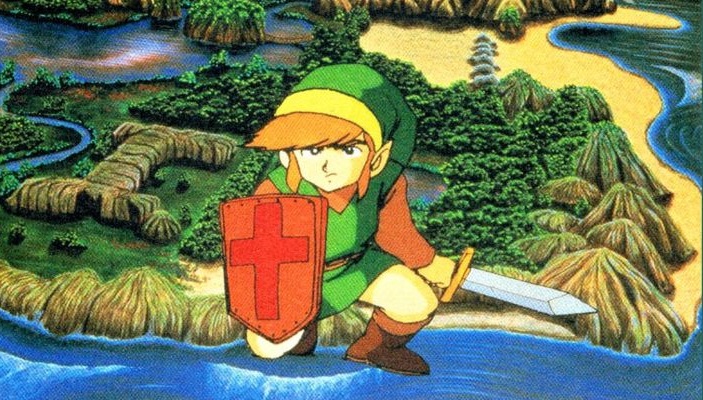
Link’s silence has long been considered central to his character.
Over four decades, this trait has allowed players to project themselves onto the hero, deepening immersion in classics such as Majora’s Mask and A Link to the Past—two titles on which Imamura’s artistry left a profound mark.
This design philosophy has persisted even as Zelda titles have evolved on hardware platforms from the Super Nintendo to the Nintendo Switch, illustrating Nintendo’s dedication to innovative yet consistent character development.
With a release date now set for May 7, 2026, The Legend of Zelda movie will serve not only as a cinematic event, but as a tribute to the enduring legacy of the Zelda franchise.
Whether Link’s vocal debut will redefine how audiences engage with the series remains to be seen, but Imamura’s comments highlight how closely the development community—and Nintendo fans—guard the spirit of one of gaming’s most pivotal heroes.
As Nintendo continues to expand the reach of The Legend of Zelda through both games and new media, the balance between innovation and the preservation of tradition remains at the forefront of the conversation.
As the beloved series marks its 40th anniversary in 2024, the upcoming adaptation, set to premiere in theaters on May 7, 2026, promises to be a significant milestone for both the franchise and fans worldwide.
The film arrives at a time when The Legend of Zelda remains a hallmark of gaming, consistently ranking among the most celebrated intellectual properties on Nintendo platforms such as the Nintendo Switch and the eShop.
However, the prospect of translating the silent hero Link—with his trademark wordless presence—into a cinematic protagonist has sparked discussion within the game development community.
Takaya Imamura, the veteran Nintendo art director responsible for iconic titles including The Legend of Zelda: Majora’s Mask and The Legend of Zelda: A Link to the Past, as well as Star Fox 64 and F-Zero X, recently weighed in on the subject.
Imamura, who retired from Nintendo in 2021 after a career spanning over three decades, shared his thoughts on social media regarding the upcoming Zelda movie.
In a concise but heartfelt statement, he noted, "When Link finally speaks, I can't help but feel a bit apprehensive that the 'Zelda magic' so many fans cherish might disappear." He elaborated further in a conversation with fans, conveying the sentiment that while Link is expected to speak in the film, he will likely remain a man of few words—a taciturn figure on screen.
Link’s silence has long been considered central to his character.
Over four decades, this trait has allowed players to project themselves onto the hero, deepening immersion in classics such as Majora’s Mask and A Link to the Past—two titles on which Imamura’s artistry left a profound mark.
This design philosophy has persisted even as Zelda titles have evolved on hardware platforms from the Super Nintendo to the Nintendo Switch, illustrating Nintendo’s dedication to innovative yet consistent character development.
With a release date now set for May 7, 2026, The Legend of Zelda movie will serve not only as a cinematic event, but as a tribute to the enduring legacy of the Zelda franchise.
Whether Link’s vocal debut will redefine how audiences engage with the series remains to be seen, but Imamura’s comments highlight how closely the development community—and Nintendo fans—guard the spirit of one of gaming’s most pivotal heroes.
As Nintendo continues to expand the reach of The Legend of Zelda through both games and new media, the balance between innovation and the preservation of tradition remains at the forefront of the conversation.