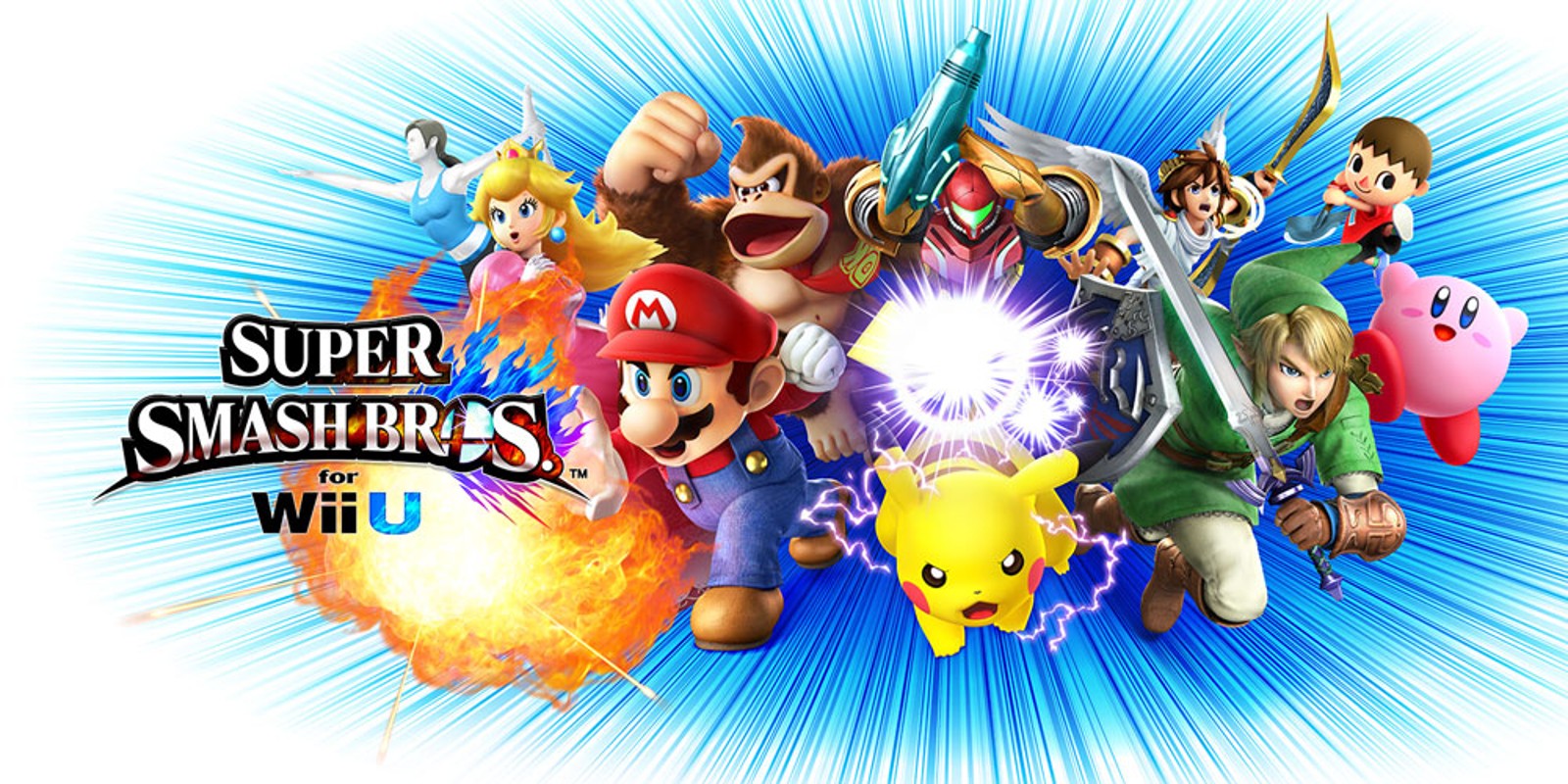


On November 21, 2025, Super Smash Bros. for Wii U celebrated its 11th anniversary, marking over a decade since its notable launch on the Nintendo Wii U.
Released in 2014 and spearheaded by legendary director Masahiro Sakurai, this title represented a major installment in Nintendo's beloved fighting game series.
Its arrival not only expanded the series' legacy, but also introduced the company's first wave of amiibo figures—12 new collectible characters at a suggested retail price of $12.99 each.
This milestone both deepened the franchise's interactive experience and set a precedent for future Nintendo products blending physical collectibles with digital gaming.
Despite its innovations, Super Smash Bros. for Wii U is often ranked near the bottom in lists of Smash Bros. titles—a remarkable fact given the universally high standard of the series.
Its reputation speaks more to the intense competition within the franchise than to any particular failing.
Every Smash Bros. release brings something unique, and in many ways, Wii U was a crucial stepping stone for the series' evolution.
A defining element of Super Smash Bros. for Wii U was its overhauled gameplay.
The development team closely examined feedback from Super Smash Bros.
Brawl, which was criticized for its slower pace and random tripping mechanic, as well as the competitive dominance of Meta Knight.
Nintendo addressed these issues by streamlining movement, eliminating random tripping, and significantly adjusting balance—most notably by weakening Meta Knight’s abilities.
The new installment was intentionally faster; characters moved and recovered more responsively, and a plethora of subtle refinements helped optimize competitive play.
However, the pace and fluidity of Super Smash Bros. for Wii U would later be eclipsed by Super Smash Bros.
Ultimate on Nintendo Switch.
Players transitioning between the two would notice noticeably crisper movement and more intuitive controls in Ultimate, which built directly on the foundation Wii U established.
As a result, while Wii U marked an improvement over Brawl’s mechanics, Ultimate’s enhancements have led many to see Wii U as dated by comparison.
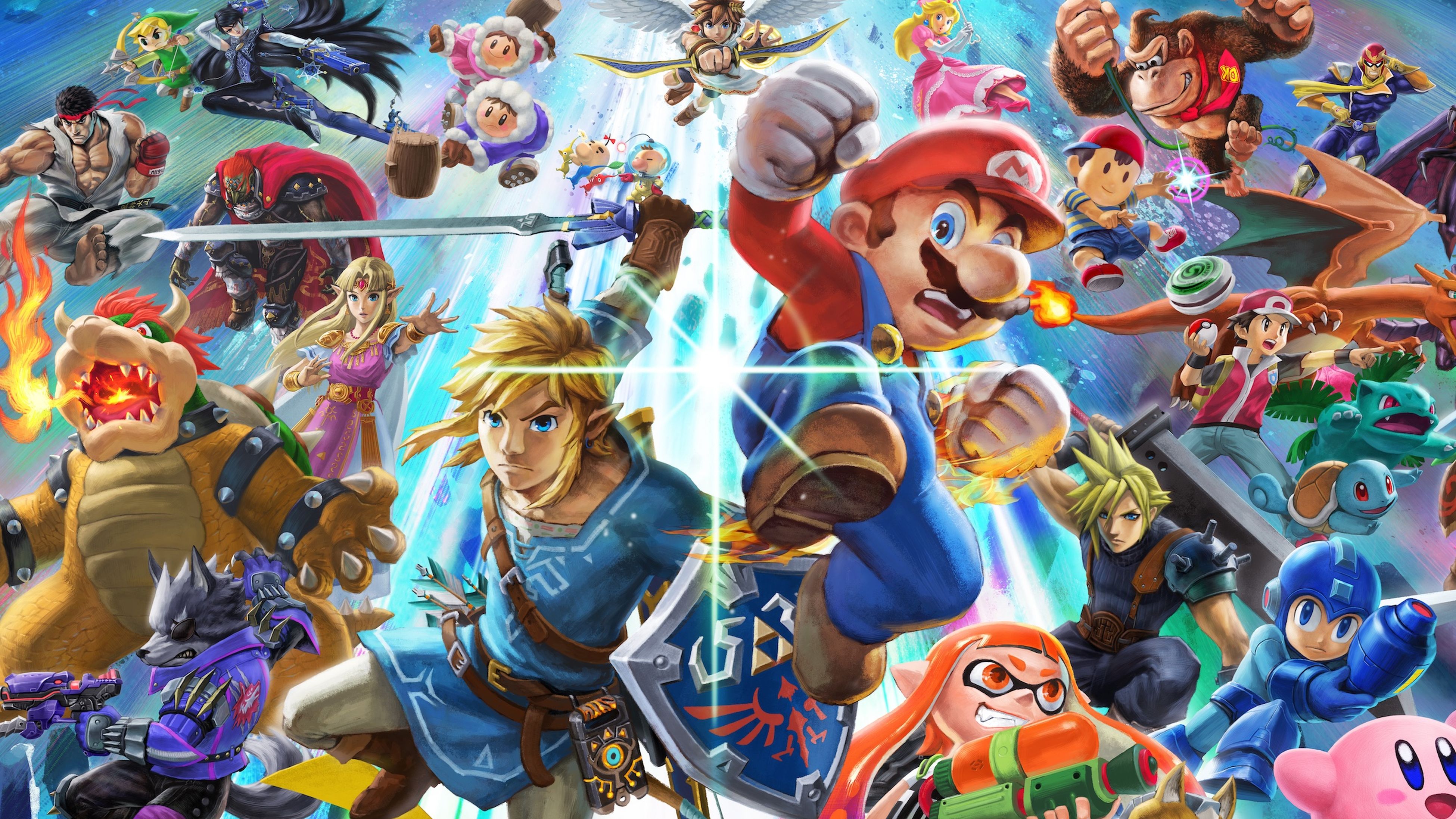
Where Super Smash Bros. for Wii U truly shined was its diverse character roster.
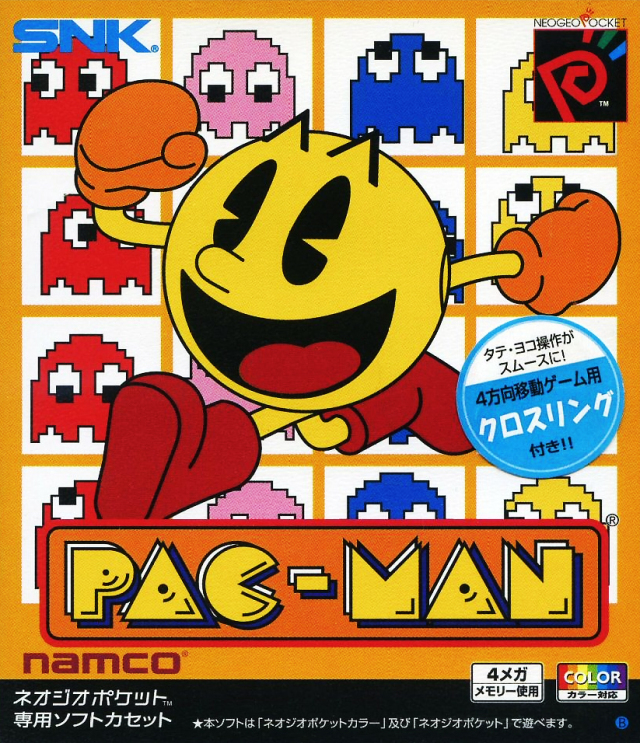
Though lacking Ultimate’s 'Everyone is Here!' slogan, the Wii U game delivered memorable new challengers such as Villager, Mega Man, Pac-Man, Little Mac, and Bowser Jr., alongside newcomers like Shulk, Robin, Rosalina, and Palutena.
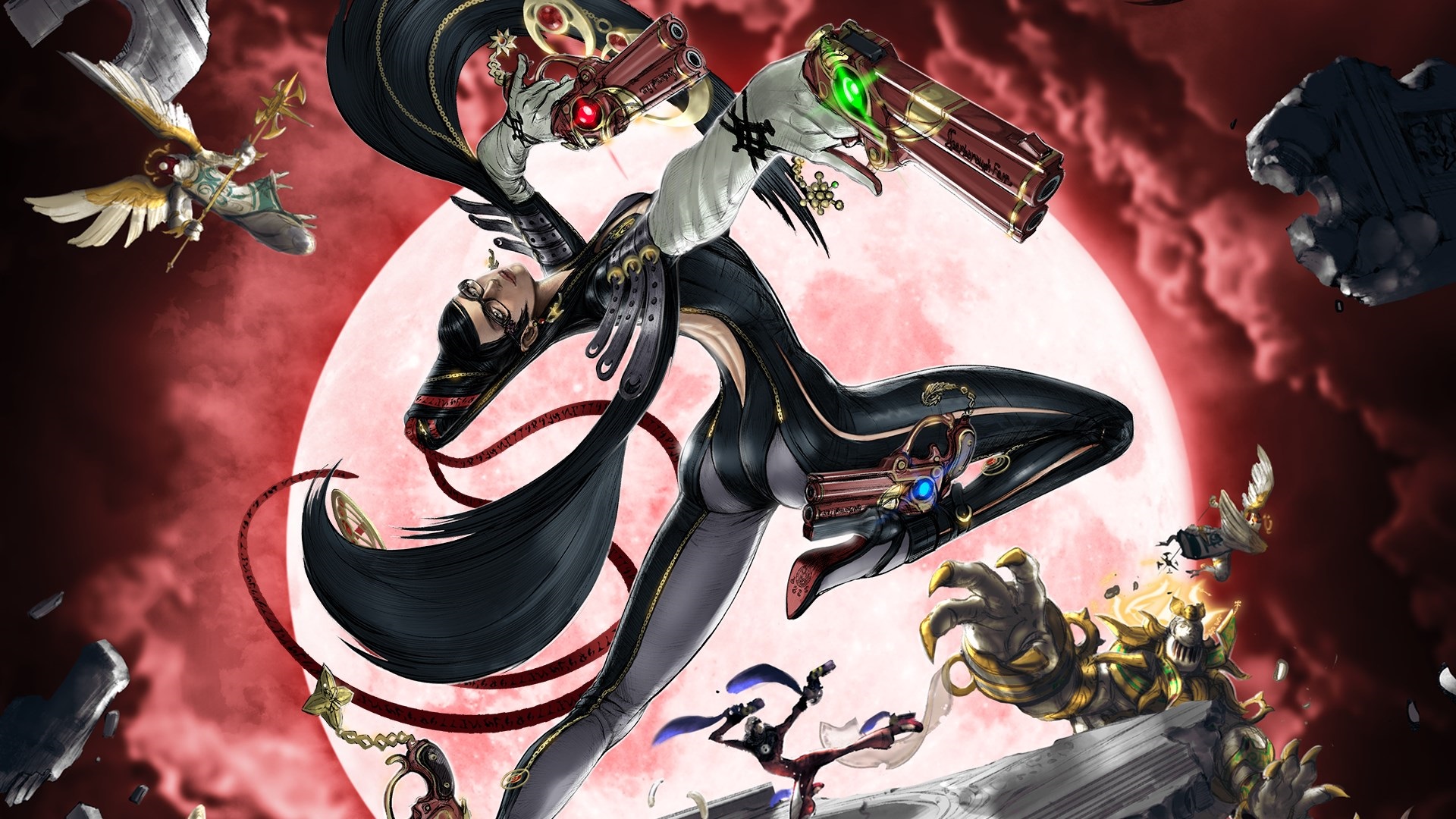
The post-launch DLC support further expanded the lineup to include favorites like Mewtwo, Lucas, Roy, Ryu, Cloud, Corrin, and Bayonetta—the latter gaining notoriety for dominating the competitive scene despite subsequent balance updates.
This robust character selection was a major highlight in the title’s legacy.
On stages, Super Smash Bros. for Wii U brought high-quality environments, from Battlefield and Final Destination to creative arenas like Mario Galaxy, Woolly World, Garden of Hope, and Boxing Ring.
The introduction of "Omega" forms for stages—transforming them into hazard-free platforms—was heralded as a significant accessibility enhancement for competitive play.
Conversely, not all additions resonated with fans; the Pac-Land stage was a notable misstep, criticized for both its retro graphics and gameplay design.
Single-player content was a notable weakness according to much of the community and critics.
While the game included mainstays such as Classic Mode, All-Star, and Special Smash, its only unique single-player experience, Smash Tour, received mixed to negative feedback for its chaotic pacing and lack of clear objectives.
In contrast, other series entries like Brawl’s Subspace Emissary adventure mode and Ultimate’s World of Light provided more substantial solo experiences.
Despite these criticisms, Super Smash Bros. for Wii U achieved critical and commercial success, reflected in its impressive Metacritic score of 92.
Its impact on the Nintendo ecosystem includes pioneering amiibo integration and acting as the template for the expansion that culminated in Super Smash Bros.
Ultimate.
For many fans, Wii U holds a special place as the link between the innovation of the Wii era and the polish of the Switch generation.
As we look back on its anniversary, it is clear that Super Smash Bros. for Wii U remains a noteworthy chapter in one of Nintendo's most esteemed franchises.
Released in 2014 and spearheaded by legendary director Masahiro Sakurai, this title represented a major installment in Nintendo's beloved fighting game series.
Its arrival not only expanded the series' legacy, but also introduced the company's first wave of amiibo figures—12 new collectible characters at a suggested retail price of $12.99 each.
This milestone both deepened the franchise's interactive experience and set a precedent for future Nintendo products blending physical collectibles with digital gaming.
Despite its innovations, Super Smash Bros. for Wii U is often ranked near the bottom in lists of Smash Bros. titles—a remarkable fact given the universally high standard of the series.
Its reputation speaks more to the intense competition within the franchise than to any particular failing.
Every Smash Bros. release brings something unique, and in many ways, Wii U was a crucial stepping stone for the series' evolution.
A defining element of Super Smash Bros. for Wii U was its overhauled gameplay.
The development team closely examined feedback from Super Smash Bros.
Brawl, which was criticized for its slower pace and random tripping mechanic, as well as the competitive dominance of Meta Knight.
Nintendo addressed these issues by streamlining movement, eliminating random tripping, and significantly adjusting balance—most notably by weakening Meta Knight’s abilities.
The new installment was intentionally faster; characters moved and recovered more responsively, and a plethora of subtle refinements helped optimize competitive play.
However, the pace and fluidity of Super Smash Bros. for Wii U would later be eclipsed by Super Smash Bros.
Ultimate on Nintendo Switch.
Players transitioning between the two would notice noticeably crisper movement and more intuitive controls in Ultimate, which built directly on the foundation Wii U established.
As a result, while Wii U marked an improvement over Brawl’s mechanics, Ultimate’s enhancements have led many to see Wii U as dated by comparison.
Where Super Smash Bros. for Wii U truly shined was its diverse character roster.
Though lacking Ultimate’s 'Everyone is Here!' slogan, the Wii U game delivered memorable new challengers such as Villager, Mega Man, Pac-Man, Little Mac, and Bowser Jr., alongside newcomers like Shulk, Robin, Rosalina, and Palutena.
The post-launch DLC support further expanded the lineup to include favorites like Mewtwo, Lucas, Roy, Ryu, Cloud, Corrin, and Bayonetta—the latter gaining notoriety for dominating the competitive scene despite subsequent balance updates.
This robust character selection was a major highlight in the title’s legacy.
On stages, Super Smash Bros. for Wii U brought high-quality environments, from Battlefield and Final Destination to creative arenas like Mario Galaxy, Woolly World, Garden of Hope, and Boxing Ring.
The introduction of "Omega" forms for stages—transforming them into hazard-free platforms—was heralded as a significant accessibility enhancement for competitive play.
Conversely, not all additions resonated with fans; the Pac-Land stage was a notable misstep, criticized for both its retro graphics and gameplay design.
Single-player content was a notable weakness according to much of the community and critics.
While the game included mainstays such as Classic Mode, All-Star, and Special Smash, its only unique single-player experience, Smash Tour, received mixed to negative feedback for its chaotic pacing and lack of clear objectives.
In contrast, other series entries like Brawl’s Subspace Emissary adventure mode and Ultimate’s World of Light provided more substantial solo experiences.
Despite these criticisms, Super Smash Bros. for Wii U achieved critical and commercial success, reflected in its impressive Metacritic score of 92.
Its impact on the Nintendo ecosystem includes pioneering amiibo integration and acting as the template for the expansion that culminated in Super Smash Bros.
Ultimate.
For many fans, Wii U holds a special place as the link between the innovation of the Wii era and the polish of the Switch generation.
As we look back on its anniversary, it is clear that Super Smash Bros. for Wii U remains a noteworthy chapter in one of Nintendo's most esteemed franchises.