
Introduction
The Nintendo Switch launched on March 3, 2017, marking Nintendo's decisive bet on a hybrid home-and-handheld console.
Backed by a mix of first-party strength and renewed third-party support, the Switch's first year established the platform's identity and set expectations for Nintendo's hardware strategy moving forward.
Launch and Early Momentum
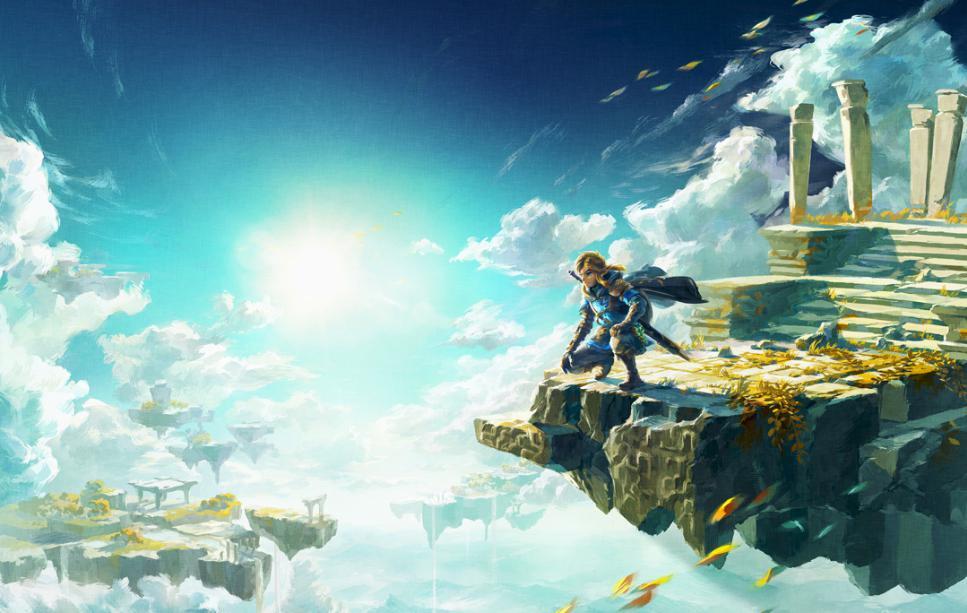
Nintendo paired the Switch's launch with The Legend of Zelda: Breath of the Wild, which released on March 3, 2017, for both Nintendo Switch and Wii U.
That simultaneous software-and-hardware launch was central to the system's early visibility.
Industry coverage at the time noted that shipping a major, critically acclaimed title alongside new hardware provided clear consumer incentive to buy at launch.
Nintendo followed up with Mario Kart 8 Deluxe on April 28, 2017, bringing a highly polished kart racer to the Switch library soon after launch.
Other notable first-year first-party releases included ARMS (June 16, 2017) and Splatoon 2 (July 21, 2017), titles that expanded the Switch's franchise breadth and showcased Nintendo EPD's development range.
Summer and Holiday Windows
Across the summer and into the holiday window, Nintendo leaned on frequent Nintendo Direct presentations and eShop releases to keep content flowing.
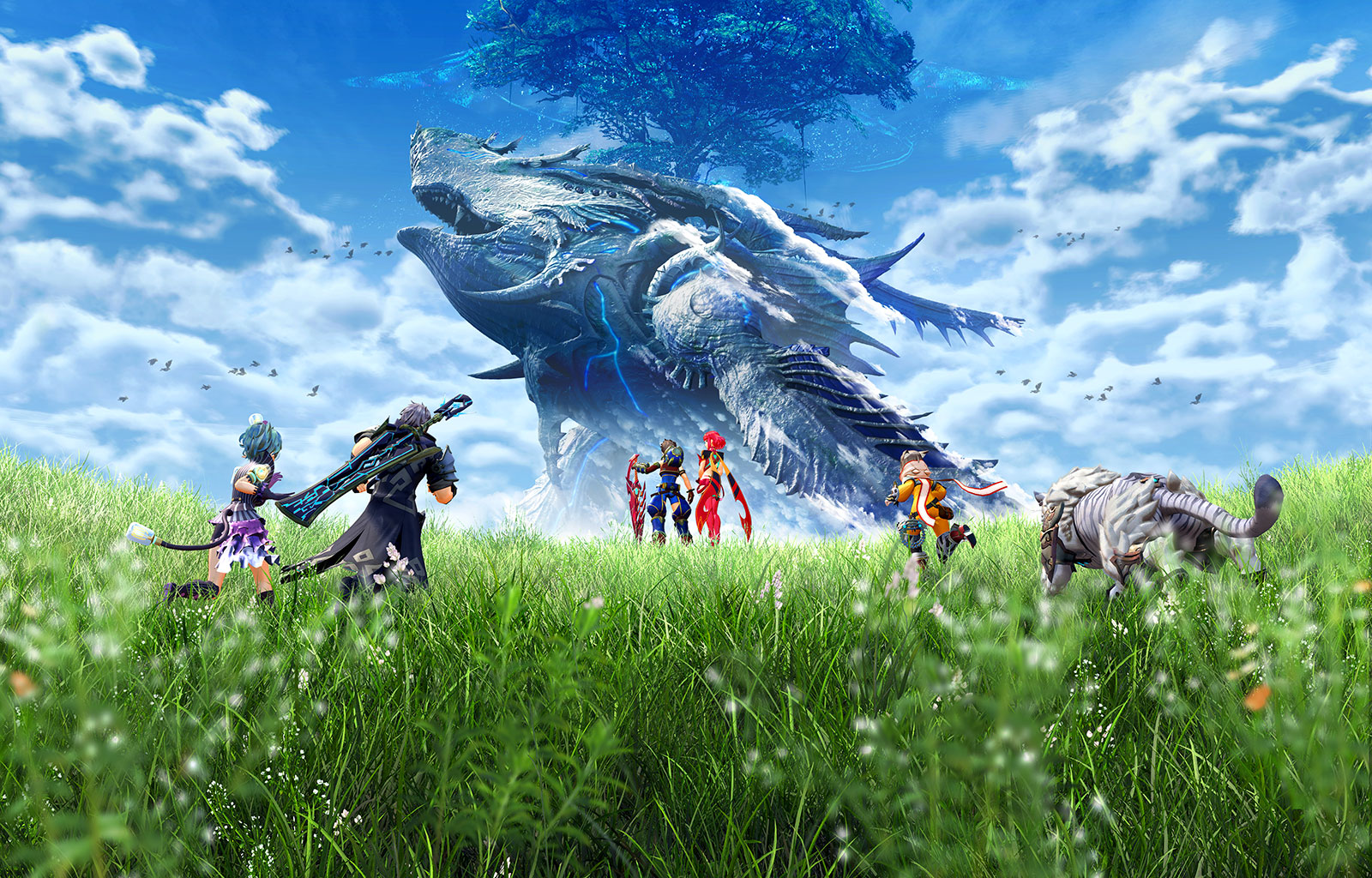
Xenoblade Chronicles 2, developed by Monolith Soft, arrived on December 1, 2017, adding heavyweight JRPG support to the platform.
Journalistic summary of commentary: Observers argued that Nintendo's cadence of high-profile first-party releases and a steady drip of indie and third-party titles helped sustain the Switch's visibility throughout its opening year.
Third-Party Support and eShop Growth
The Switch's first year saw a marked increase in third-party interest compared with Nintendo's prior generation.
The eShop became a significant storefront for indie developers and smaller publishers, enabling a wide range of digital-only and hybrid releases that broadened the library beyond Nintendo's own franchises.
Platform Impact and Developer Achievements
From a development perspective, the Switch opened opportunities for studios of varying sizes to reach Nintendo's audience.
Monolith Soft's work on Xenoblade Chronicles 2 and Nintendo EPD's continued stewardship of flagship franchises demonstrated both technical ambition and franchise stewardship during the system's formative year.
Conclusion
A year after launch, the Nintendo Switch had established a clear identity: a flexible platform supported by both hallmark Nintendo franchises and a growing ecosystem of third-party and indie developers.
Key launch and early-year releases—Breath of the Wild, Mario Kart 8 Deluxe, ARMS, Splatoon 2, and Xenoblade Chronicles 2—remain central to understanding how Nintendo set the Switch on a course that would influence the company's strategy for years to come.
The Nintendo Switch launched on March 3, 2017, marking Nintendo's decisive bet on a hybrid home-and-handheld console.
Backed by a mix of first-party strength and renewed third-party support, the Switch's first year established the platform's identity and set expectations for Nintendo's hardware strategy moving forward.
Launch and Early Momentum
Nintendo paired the Switch's launch with The Legend of Zelda: Breath of the Wild, which released on March 3, 2017, for both Nintendo Switch and Wii U.
That simultaneous software-and-hardware launch was central to the system's early visibility.
Industry coverage at the time noted that shipping a major, critically acclaimed title alongside new hardware provided clear consumer incentive to buy at launch.
Nintendo followed up with Mario Kart 8 Deluxe on April 28, 2017, bringing a highly polished kart racer to the Switch library soon after launch.
Other notable first-year first-party releases included ARMS (June 16, 2017) and Splatoon 2 (July 21, 2017), titles that expanded the Switch's franchise breadth and showcased Nintendo EPD's development range.
Summer and Holiday Windows
Across the summer and into the holiday window, Nintendo leaned on frequent Nintendo Direct presentations and eShop releases to keep content flowing.
Xenoblade Chronicles 2, developed by Monolith Soft, arrived on December 1, 2017, adding heavyweight JRPG support to the platform.
Journalistic summary of commentary: Observers argued that Nintendo's cadence of high-profile first-party releases and a steady drip of indie and third-party titles helped sustain the Switch's visibility throughout its opening year.
Third-Party Support and eShop Growth
The Switch's first year saw a marked increase in third-party interest compared with Nintendo's prior generation.
The eShop became a significant storefront for indie developers and smaller publishers, enabling a wide range of digital-only and hybrid releases that broadened the library beyond Nintendo's own franchises.
Platform Impact and Developer Achievements
From a development perspective, the Switch opened opportunities for studios of varying sizes to reach Nintendo's audience.
Monolith Soft's work on Xenoblade Chronicles 2 and Nintendo EPD's continued stewardship of flagship franchises demonstrated both technical ambition and franchise stewardship during the system's formative year.
Conclusion
A year after launch, the Nintendo Switch had established a clear identity: a flexible platform supported by both hallmark Nintendo franchises and a growing ecosystem of third-party and indie developers.
Key launch and early-year releases—Breath of the Wild, Mario Kart 8 Deluxe, ARMS, Splatoon 2, and Xenoblade Chronicles 2—remain central to understanding how Nintendo set the Switch on a course that would influence the company's strategy for years to come.