
Supermassive Games, the UK studio behind narrative horror hits including Until Dawn and The Dark Pictures Anthology, has confirmed it is beginning a redundancy consultation process that the company says could lead to the loss of up to 75 roles.
The announcement, published by the studio today, frames the move as a difficult but necessary step to protect the long-term sustainability of the business.
In a rewritten summary of the studio’s message, Supermassive said it will commence formal consultations with affected staff and expects the process to result in reductions of up to 75 employees.
The company added that it recognises the impact on colleagues and that its priority through the process will be providing support to those affected.
This latest action follows earlier staffing reductions at the studio.
Reports indicate this is the third round of layoffs across roughly three years, with prior reductions reported at 90 positions in February 2024 and a further 36 roles in July 2026.
Industry observers and publishers alike will watch how the consultancy affects Supermassive’s ongoing projects and partnerships.
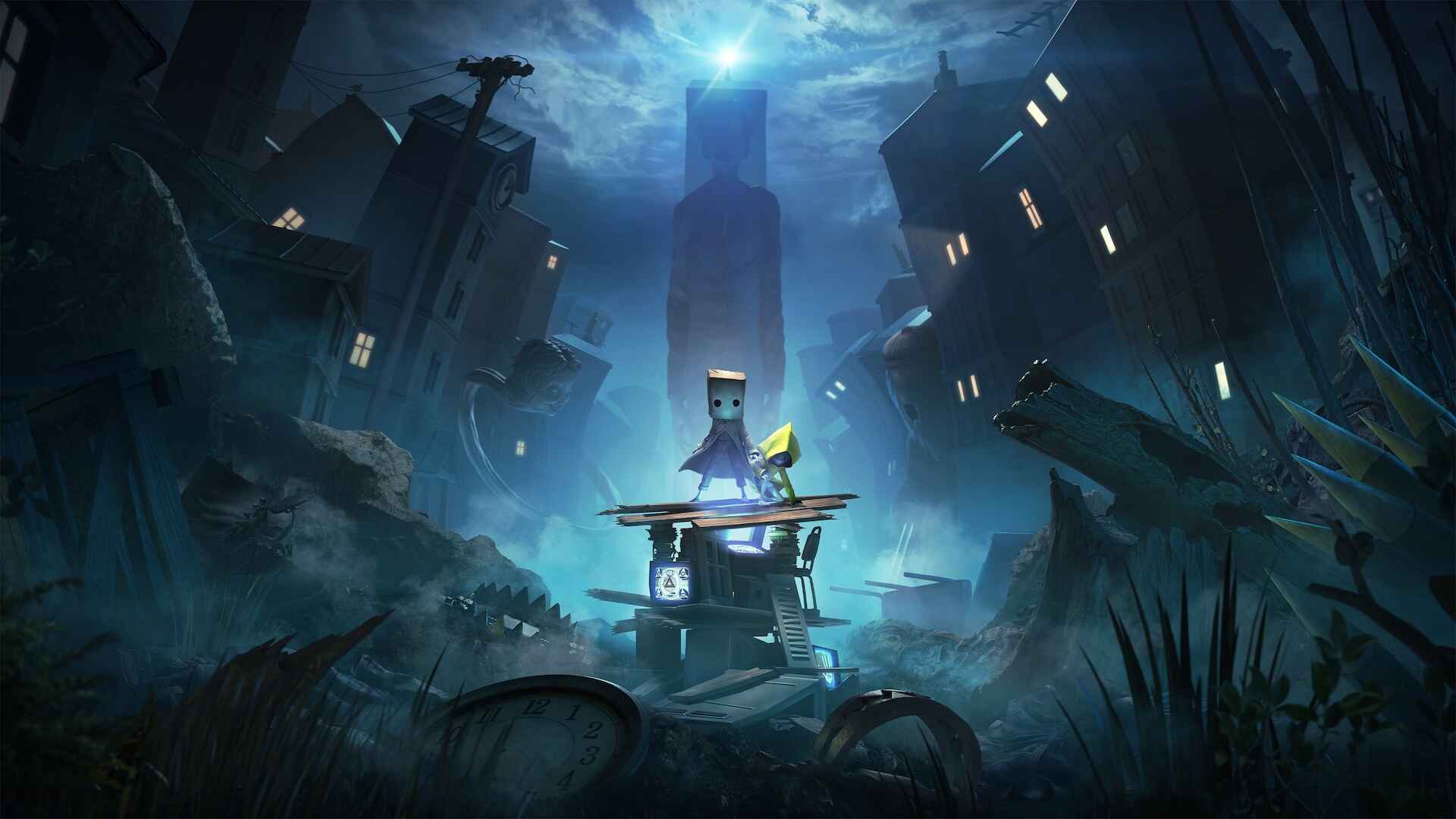
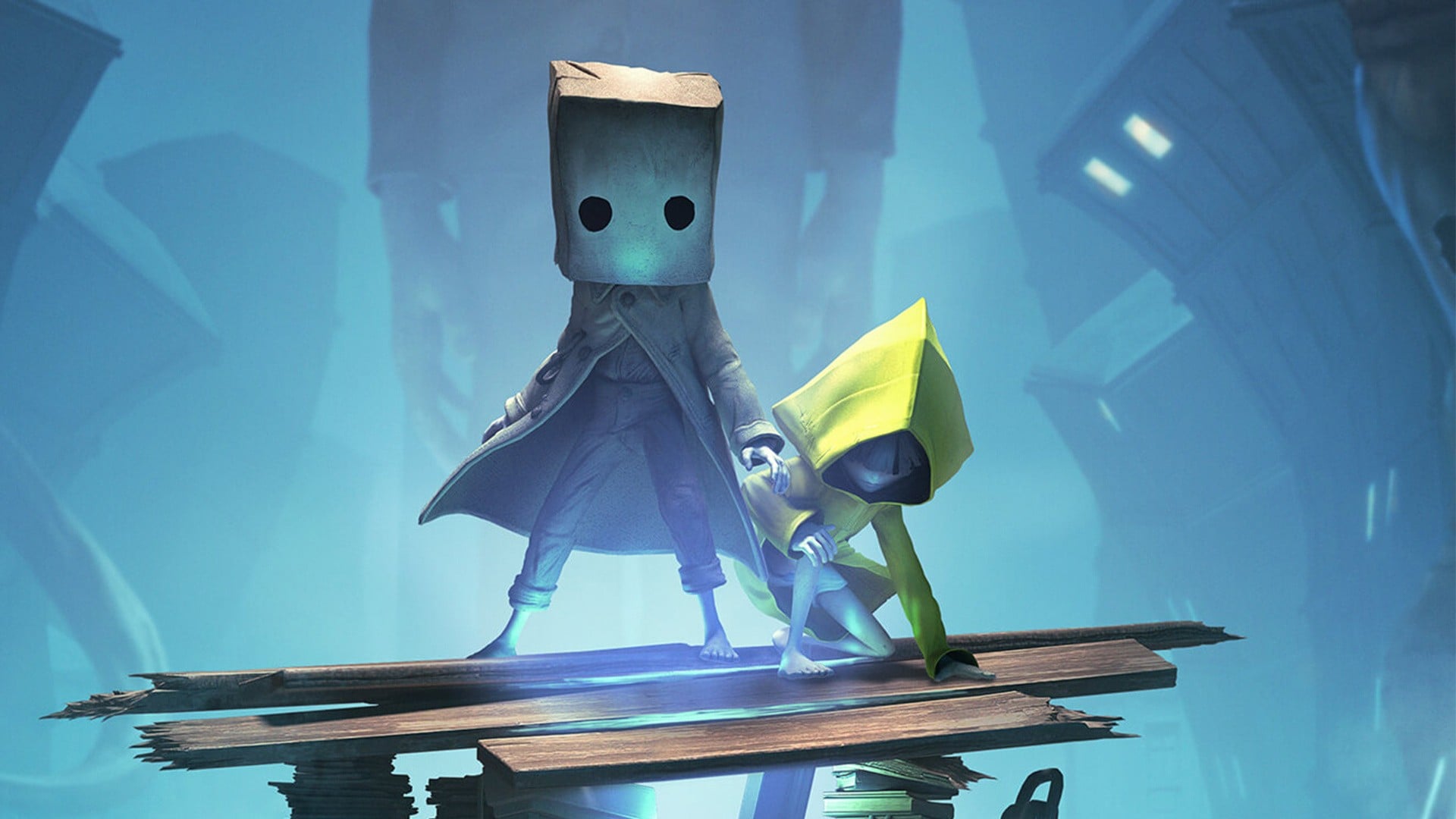
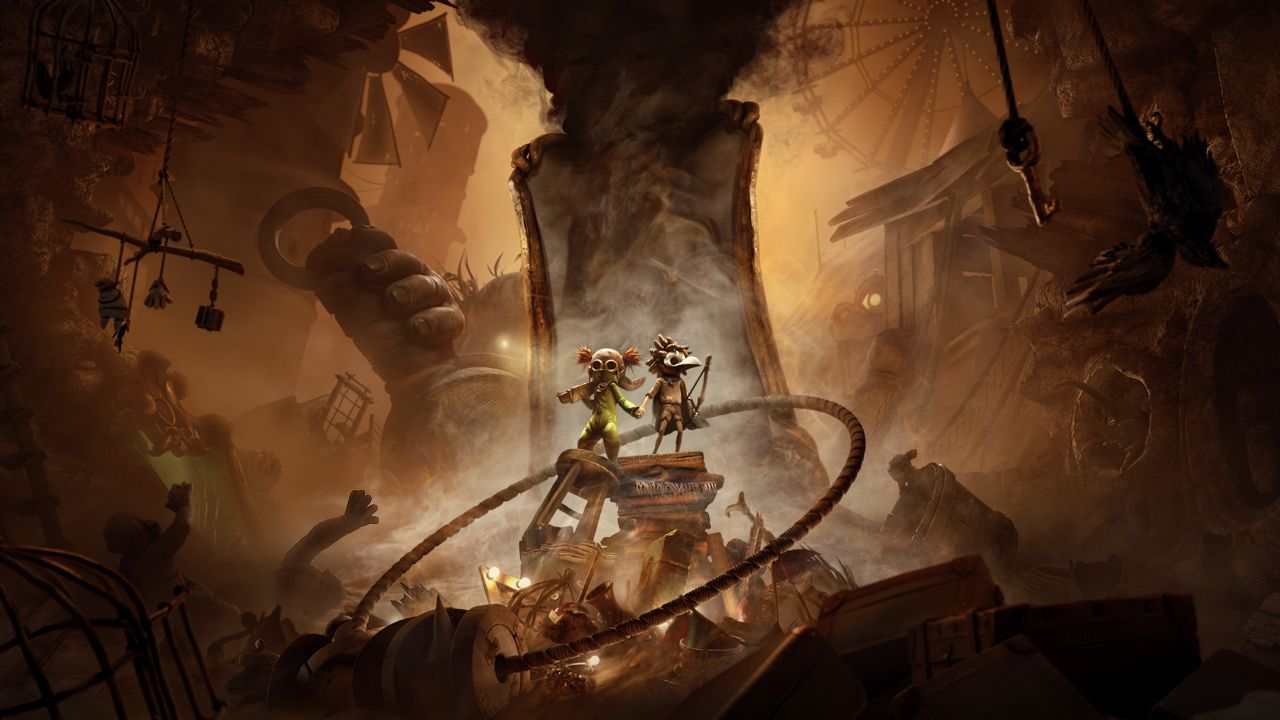
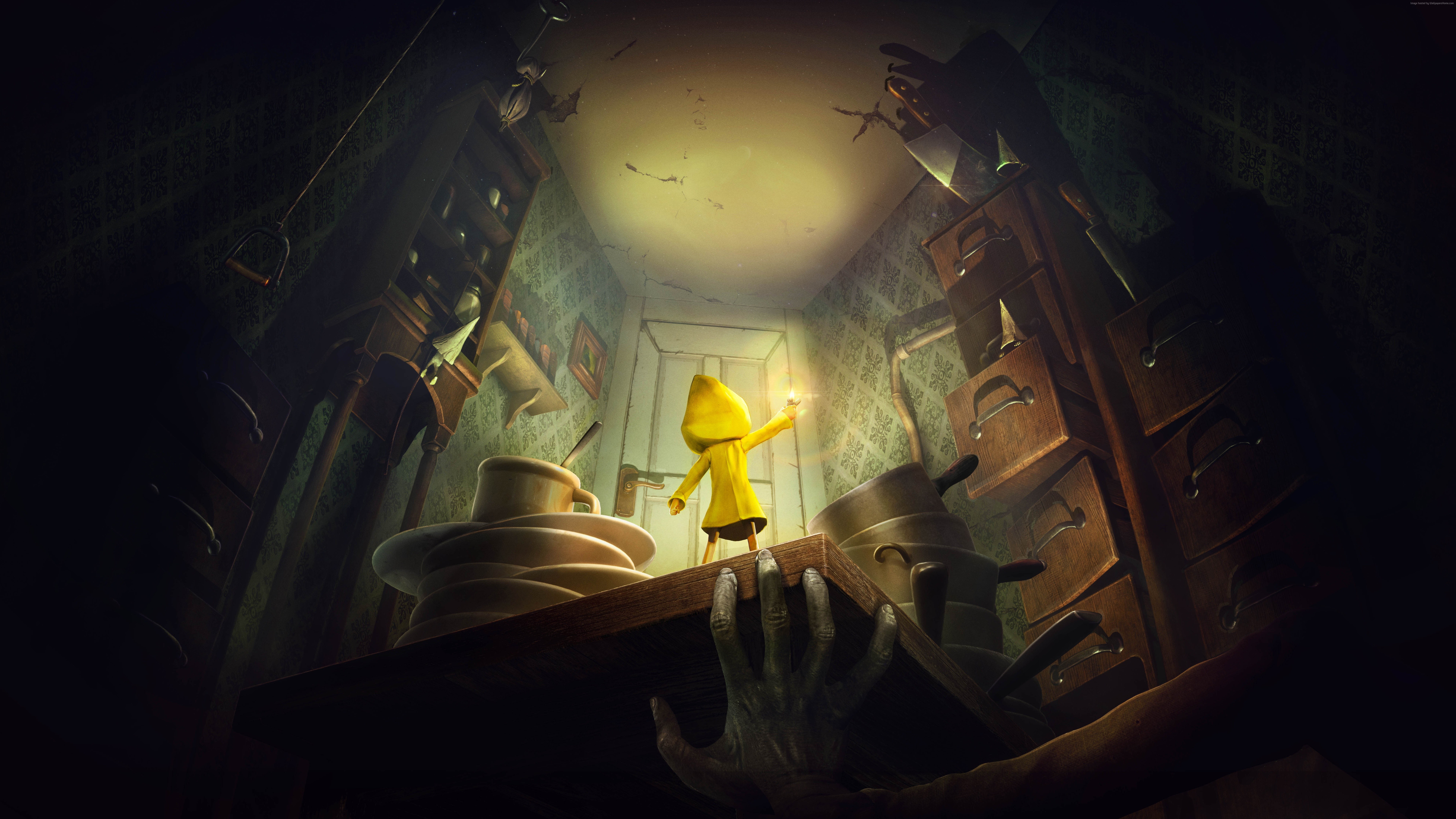
The studio’s recent release Little Nightmares III—following two earlier entries developed by Tarsier Studios—received a mixed critical reception in some outlets.
One 6/10 review noted that the game preserved the series’ oppressive atmosphere and environmental puzzles but felt at times like an echo of previous entries.
Supermassive’s portfolio has included platform-specific and cross-platform releases; the broader market implications of staff reductions are relevant to console ecosystems and digital storefronts such as Nintendo Switch and the eShop, among others.
Bandai Namco remains the publisher associated with the Little Nightmares series, and any publisher-studio discussions about future project scope or support will be material to the studio’s path forward.
The studio has not released a detailed timeline for the consultation’s completion or for potential severance and transition support packages.
Supermassive said it will prioritise assisting impacted employees during the process.
As the redundancy consultation proceeds, Supermassive Games’ public statements and any updates from publishers or industry bodies will be important to track for clarity on how the changes affect current and upcoming titles, teams, and development schedules.
The announcement, published by the studio today, frames the move as a difficult but necessary step to protect the long-term sustainability of the business.
In a rewritten summary of the studio’s message, Supermassive said it will commence formal consultations with affected staff and expects the process to result in reductions of up to 75 employees.
The company added that it recognises the impact on colleagues and that its priority through the process will be providing support to those affected.
This latest action follows earlier staffing reductions at the studio.
Reports indicate this is the third round of layoffs across roughly three years, with prior reductions reported at 90 positions in February 2024 and a further 36 roles in July 2026.
Industry observers and publishers alike will watch how the consultancy affects Supermassive’s ongoing projects and partnerships.
The studio’s recent release Little Nightmares III—following two earlier entries developed by Tarsier Studios—received a mixed critical reception in some outlets.
One 6/10 review noted that the game preserved the series’ oppressive atmosphere and environmental puzzles but felt at times like an echo of previous entries.
Supermassive’s portfolio has included platform-specific and cross-platform releases; the broader market implications of staff reductions are relevant to console ecosystems and digital storefronts such as Nintendo Switch and the eShop, among others.
Bandai Namco remains the publisher associated with the Little Nightmares series, and any publisher-studio discussions about future project scope or support will be material to the studio’s path forward.
The studio has not released a detailed timeline for the consultation’s completion or for potential severance and transition support packages.
Supermassive said it will prioritise assisting impacted employees during the process.
As the redundancy consultation proceeds, Supermassive Games’ public statements and any updates from publishers or industry bodies will be important to track for clarity on how the changes affect current and upcoming titles, teams, and development schedules.