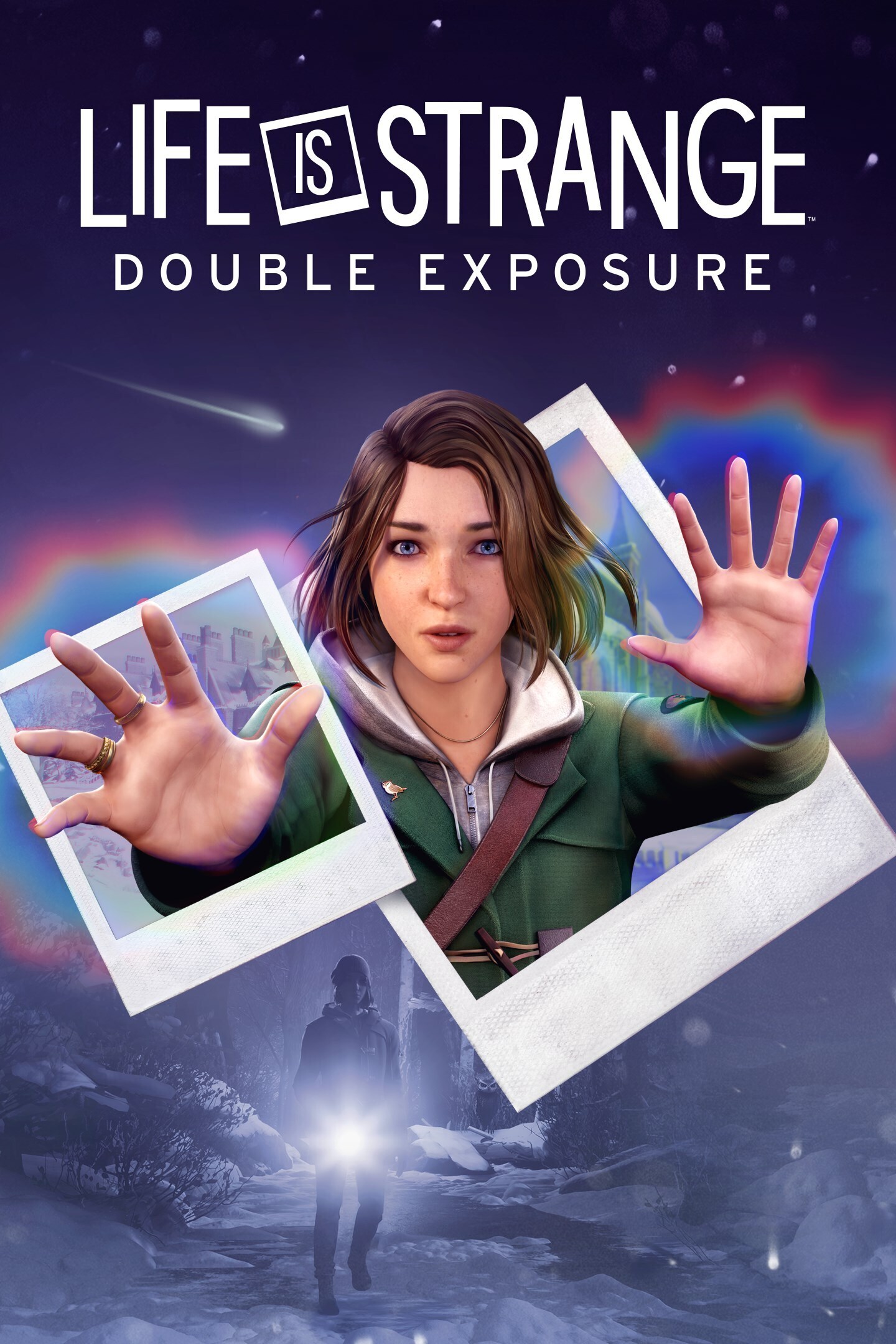
Life is Strange: True Colors, developed by Deck Nine and published by Square Enix, expanded its narrative-driven adventure to the Nintendo Switch in December 2021 following releases on other platforms.
The game quickly garnered attention for its gripping storytelling and remarkable character work, though it also became a focal point of criticism regarding its approach to series continuity and character arcs.
As one of the headline titles featured in a prominent Nintendo Direct presentation, True Colors marked an important milestone for narrative-focused games on the Switch eShop.
Although some conversations around Life is Strange: True Colors have been mired in culture war debates, critical reviewers and many fans point to narrative choices as the primary sources of discontent.
A major criticism centers on how the game addresses consequences from previous entries in the Life is Strange franchise—specifically the fate of Chloe, a key character from the original installment.
In actual gameplay, regardless of the impactful decisions made by players at the conclusion of the first Life is Strange, True Colors renders those choices moot.
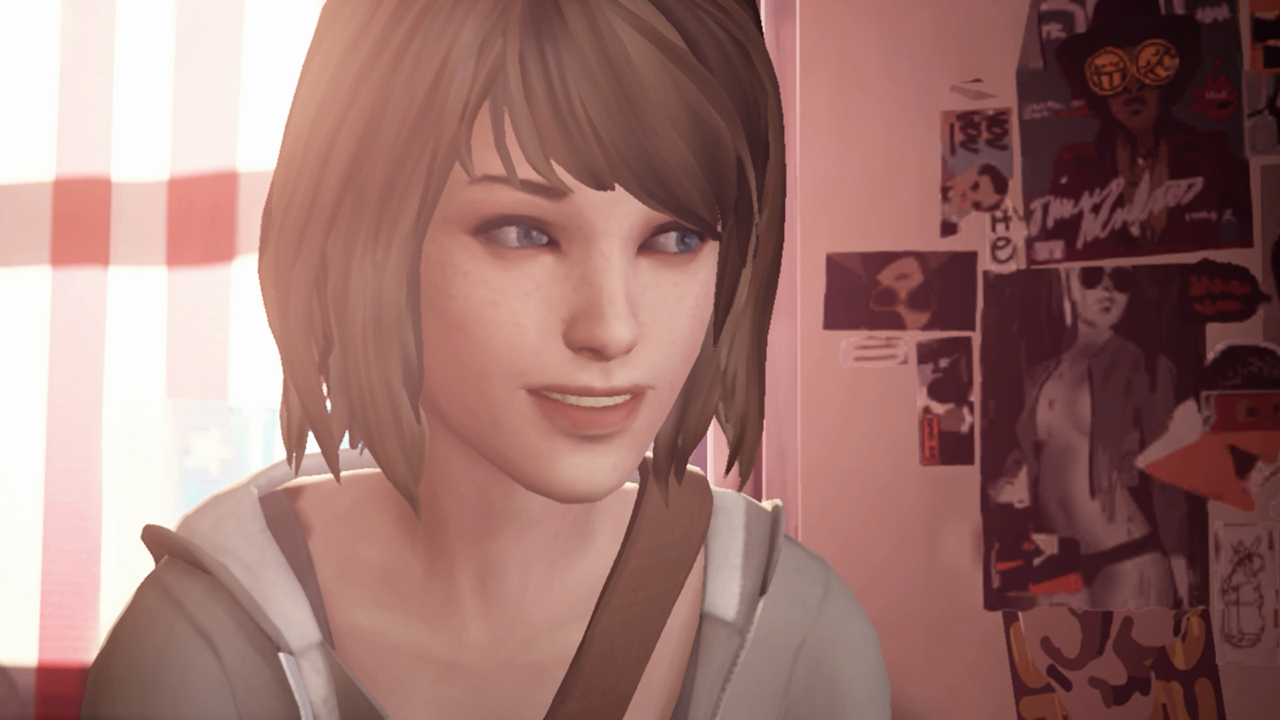
For instance, if the player saved Chloe in the original game, the follow-up only briefly references her absence, stating she has ended her relationship with protagonist Max and is not seen again in the series.
Similarly, the story does not acknowledge the destroyed state of Arcadia Bay, effectively sidelining major outcomes from the past.
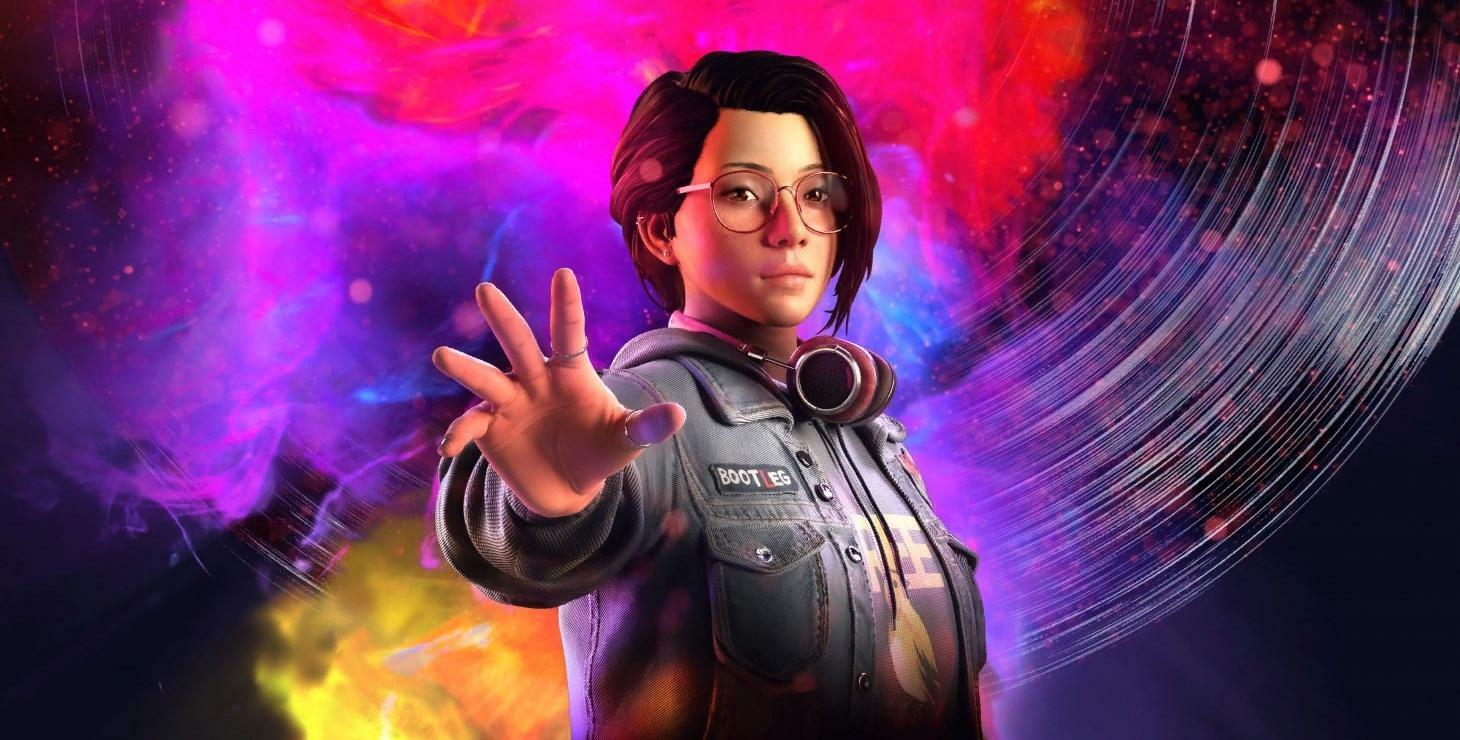
Developers at Deck Nine sought to create a fresh protagonist, Alex Chen, and explore new thematic territory.
However, some long-time fans observed that returning character Max Caulfield behaves in ways that do not align with her established personality, a move seen by critics as inconsistent with past writing.
This perceived deviation has contributed to mixed feelings among the franchise’s loyal audience.
Another point of contention involves the open-ended conclusion of True Colors.
Rather than providing a conclusive resolution, the narrative is structured to suggest possible future expansions and spin-offs.
Several reviewers have likened this approach to an inter-connected universe model, reminiscent of popular film franchises, raising concerns about sacrificing narrative closure for ongoing intellectual property development.
Despite the narrative misgivings, the Switch version of Life is Strange: True Colors has been praised for delivering a competent and high-fidelity experience, making it accessible to a new audience through the Nintendo Switch and Switch eShop.
The series continues to be a benchmark in interactive, choice-driven storytelling, and Deck Nine’s efforts have helped keep the Life is Strange brand at the forefront of narrative game development.
Life is Strange: True Colors remains a prominent example of the challenges and opportunities that come with advancing a beloved series on new platforms and evolving game hardware, particularly within the ever-growing Nintendo Switch ecosystem.
The game quickly garnered attention for its gripping storytelling and remarkable character work, though it also became a focal point of criticism regarding its approach to series continuity and character arcs.
As one of the headline titles featured in a prominent Nintendo Direct presentation, True Colors marked an important milestone for narrative-focused games on the Switch eShop.
Although some conversations around Life is Strange: True Colors have been mired in culture war debates, critical reviewers and many fans point to narrative choices as the primary sources of discontent.
A major criticism centers on how the game addresses consequences from previous entries in the Life is Strange franchise—specifically the fate of Chloe, a key character from the original installment.
In actual gameplay, regardless of the impactful decisions made by players at the conclusion of the first Life is Strange, True Colors renders those choices moot.
For instance, if the player saved Chloe in the original game, the follow-up only briefly references her absence, stating she has ended her relationship with protagonist Max and is not seen again in the series.
Similarly, the story does not acknowledge the destroyed state of Arcadia Bay, effectively sidelining major outcomes from the past.
Developers at Deck Nine sought to create a fresh protagonist, Alex Chen, and explore new thematic territory.
However, some long-time fans observed that returning character Max Caulfield behaves in ways that do not align with her established personality, a move seen by critics as inconsistent with past writing.
This perceived deviation has contributed to mixed feelings among the franchise’s loyal audience.
Another point of contention involves the open-ended conclusion of True Colors.
Rather than providing a conclusive resolution, the narrative is structured to suggest possible future expansions and spin-offs.
Several reviewers have likened this approach to an inter-connected universe model, reminiscent of popular film franchises, raising concerns about sacrificing narrative closure for ongoing intellectual property development.
Despite the narrative misgivings, the Switch version of Life is Strange: True Colors has been praised for delivering a competent and high-fidelity experience, making it accessible to a new audience through the Nintendo Switch and Switch eShop.
The series continues to be a benchmark in interactive, choice-driven storytelling, and Deck Nine’s efforts have helped keep the Life is Strange brand at the forefront of narrative game development.
Life is Strange: True Colors remains a prominent example of the challenges and opportunities that come with advancing a beloved series on new platforms and evolving game hardware, particularly within the ever-growing Nintendo Switch ecosystem.