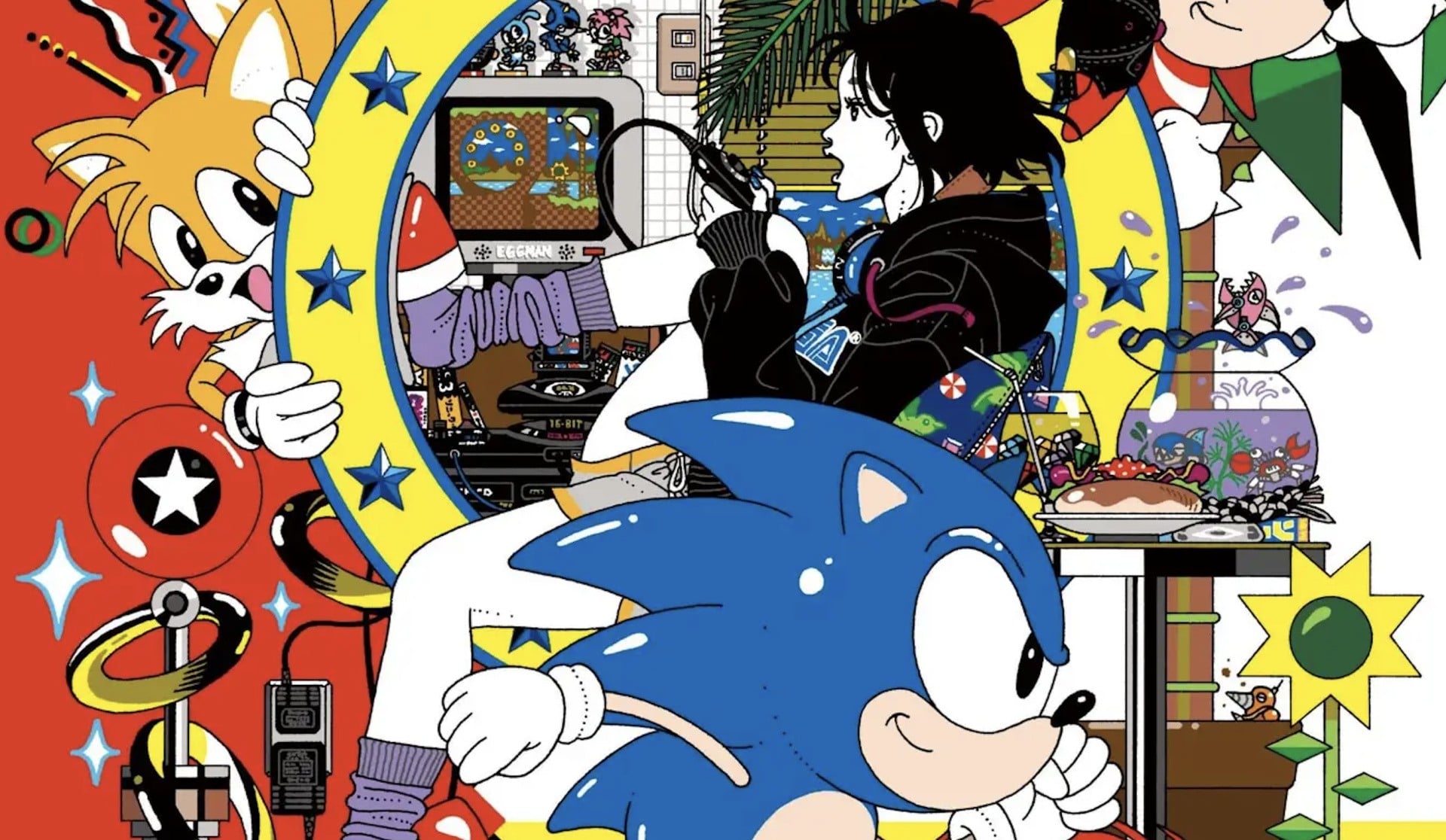
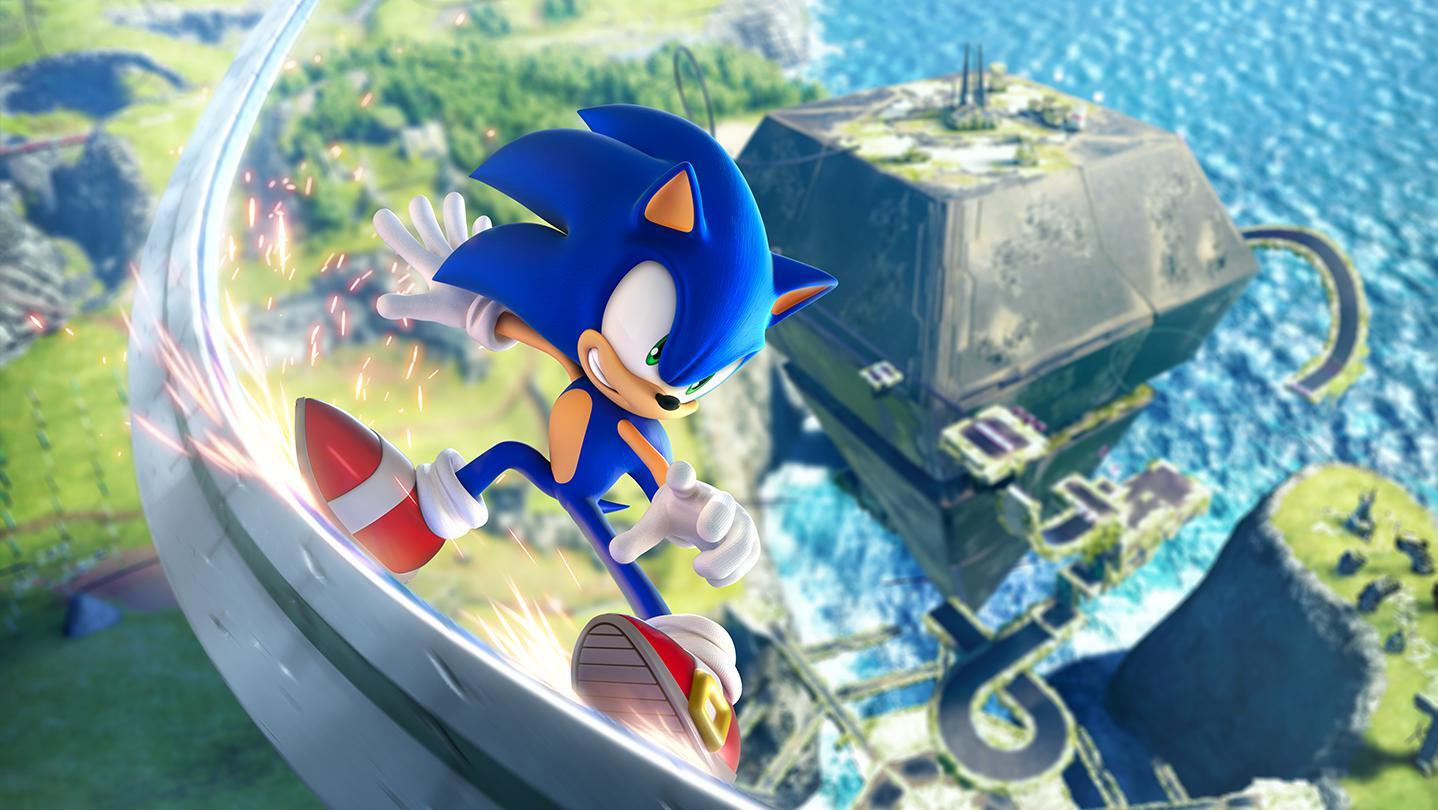
Takashi Iizuka, long associated with Sonic Team, told Japanese magazine Continue that the Sonic the Hedgehog franchise remains only partway to the ambitions originally set for it.
The comments, reported in English by VGC, reiterate a long-term strategy from Sega to expand Sonic beyond games into film, television, consumer products and live attractions.
Background and context
Sonic the Hedgehog first debuted on the Sega Genesis (Mega Drive) in 1991 as a fast-paced platformer created by a team that included Yuji Naka and Naoto Ohshima.
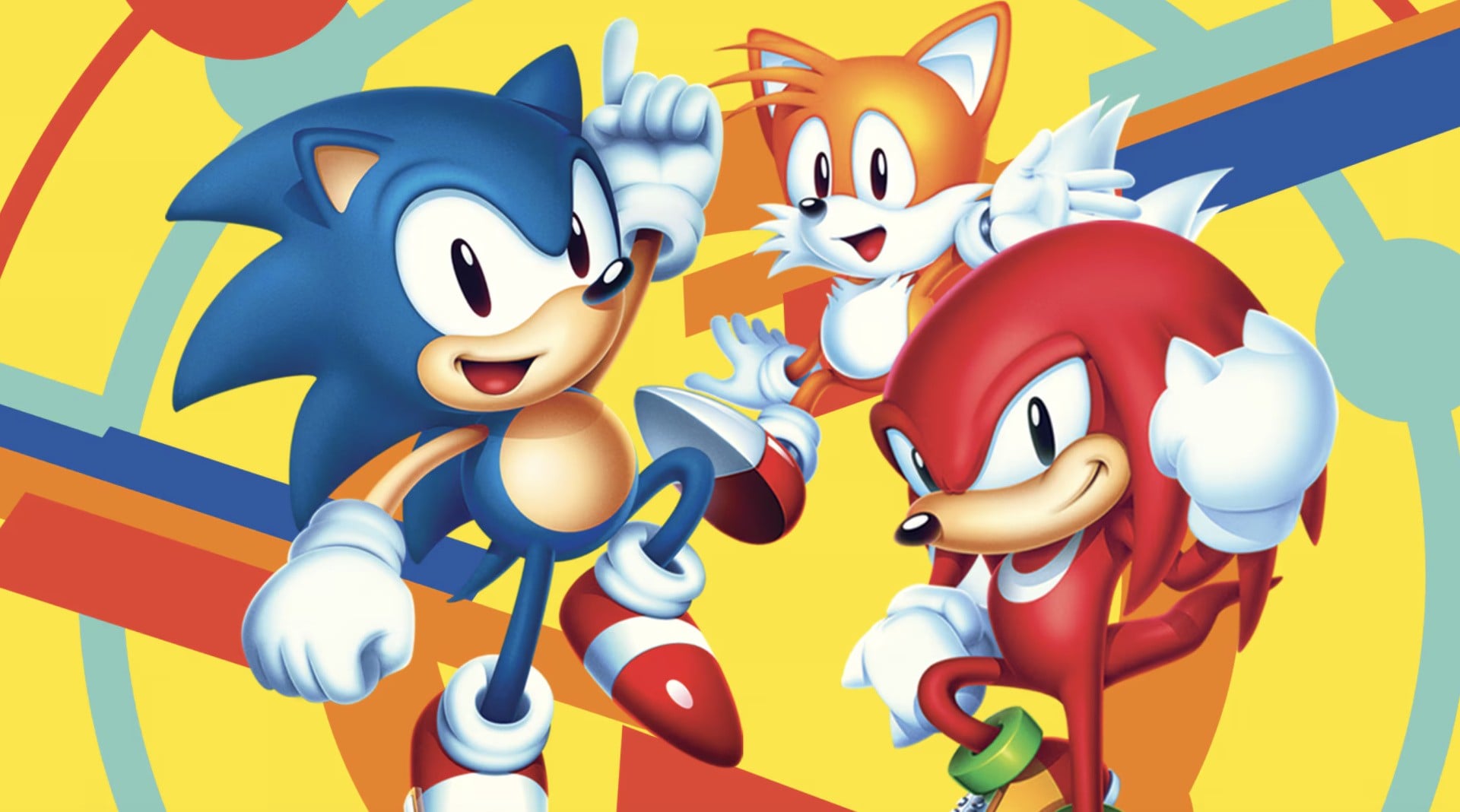
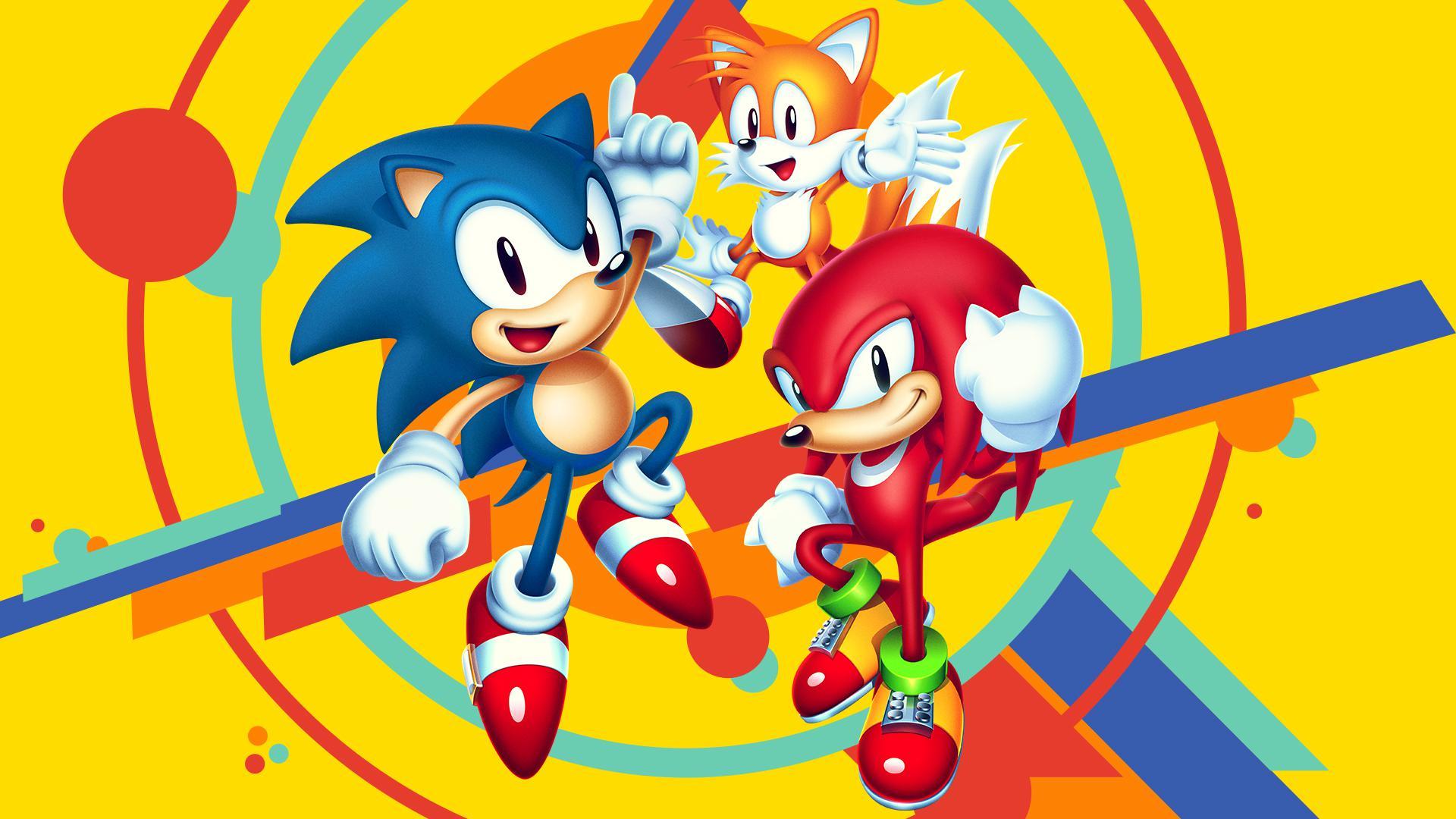
Over the following three decades the franchise has evolved across consoles and platforms, with recent high-profile releases including Sonic Mania (2017) and Sonic Frontiers (2022), both of which are available on Nintendo Switch via retail and the Nintendo eShop.
The IP also reached mainstream audiences through two theatrical films released in 2020 and 2022, which helped raise the brand’s profile globally.
Iizuka on Sonic’s unfinished business
Iizuka described Sonic as still only halfway to the franchise’s full potential, saying that team members have long aimed for the scale and cultural reach exemplified by Disney.
He noted that early directives at Sega encouraged big ambitions, including the idea of surpassing Disney and creating a dedicated theme park.
More than three decades after the first game, Iizuka said those goals have yet to be fully realized, but that recent film adaptations have helped introduce Sonic to people who have not played the games.
Audience and product strategy
Iizuka also explained that the brand’s audience has widened beyond its early perception as primarily appealing to boys.
He said Sonic has grown into a family brand through games, film, television and consumer products, and that Sega is paying special attention to young adult female fans when planning future collaborations, citing fashion and beauty tie-ins as areas where there has been clear demand.
Future of the games
On the games front, Iizuka confirmed the team is working toward a new entry and emphasized the goal of delivering a fresh gameplay experience.
Sega and Sonic Team have a long history of platform releases and multiplatform support, and the company’s statements suggest continued investment across consoles, including Nintendo Switch and digital distribution via the eShop.
Iizuka’s remarks underline Sega’s strategic focus on broadening Sonic’s cultural reach while continuing development work aimed at evolving the series’ gameplay and audience footprint.
The comments, reported in English by VGC, reiterate a long-term strategy from Sega to expand Sonic beyond games into film, television, consumer products and live attractions.
Background and context
Sonic the Hedgehog first debuted on the Sega Genesis (Mega Drive) in 1991 as a fast-paced platformer created by a team that included Yuji Naka and Naoto Ohshima.
Over the following three decades the franchise has evolved across consoles and platforms, with recent high-profile releases including Sonic Mania (2017) and Sonic Frontiers (2022), both of which are available on Nintendo Switch via retail and the Nintendo eShop.
The IP also reached mainstream audiences through two theatrical films released in 2020 and 2022, which helped raise the brand’s profile globally.
Iizuka on Sonic’s unfinished business
Iizuka described Sonic as still only halfway to the franchise’s full potential, saying that team members have long aimed for the scale and cultural reach exemplified by Disney.
He noted that early directives at Sega encouraged big ambitions, including the idea of surpassing Disney and creating a dedicated theme park.
More than three decades after the first game, Iizuka said those goals have yet to be fully realized, but that recent film adaptations have helped introduce Sonic to people who have not played the games.
Audience and product strategy
Iizuka also explained that the brand’s audience has widened beyond its early perception as primarily appealing to boys.
He said Sonic has grown into a family brand through games, film, television and consumer products, and that Sega is paying special attention to young adult female fans when planning future collaborations, citing fashion and beauty tie-ins as areas where there has been clear demand.
Future of the games
On the games front, Iizuka confirmed the team is working toward a new entry and emphasized the goal of delivering a fresh gameplay experience.
Sega and Sonic Team have a long history of platform releases and multiplatform support, and the company’s statements suggest continued investment across consoles, including Nintendo Switch and digital distribution via the eShop.
Iizuka’s remarks underline Sega’s strategic focus on broadening Sonic’s cultural reach while continuing development work aimed at evolving the series’ gameplay and audience footprint.