Tomb Raider II Fan Project Revives Lara Croft’s Legacy on Sega Saturn
The Sega Saturn, once a central battleground of the mid-90s console wars, is set for a remarkable revival in the homebrew scene thanks to a dedicated fan project.
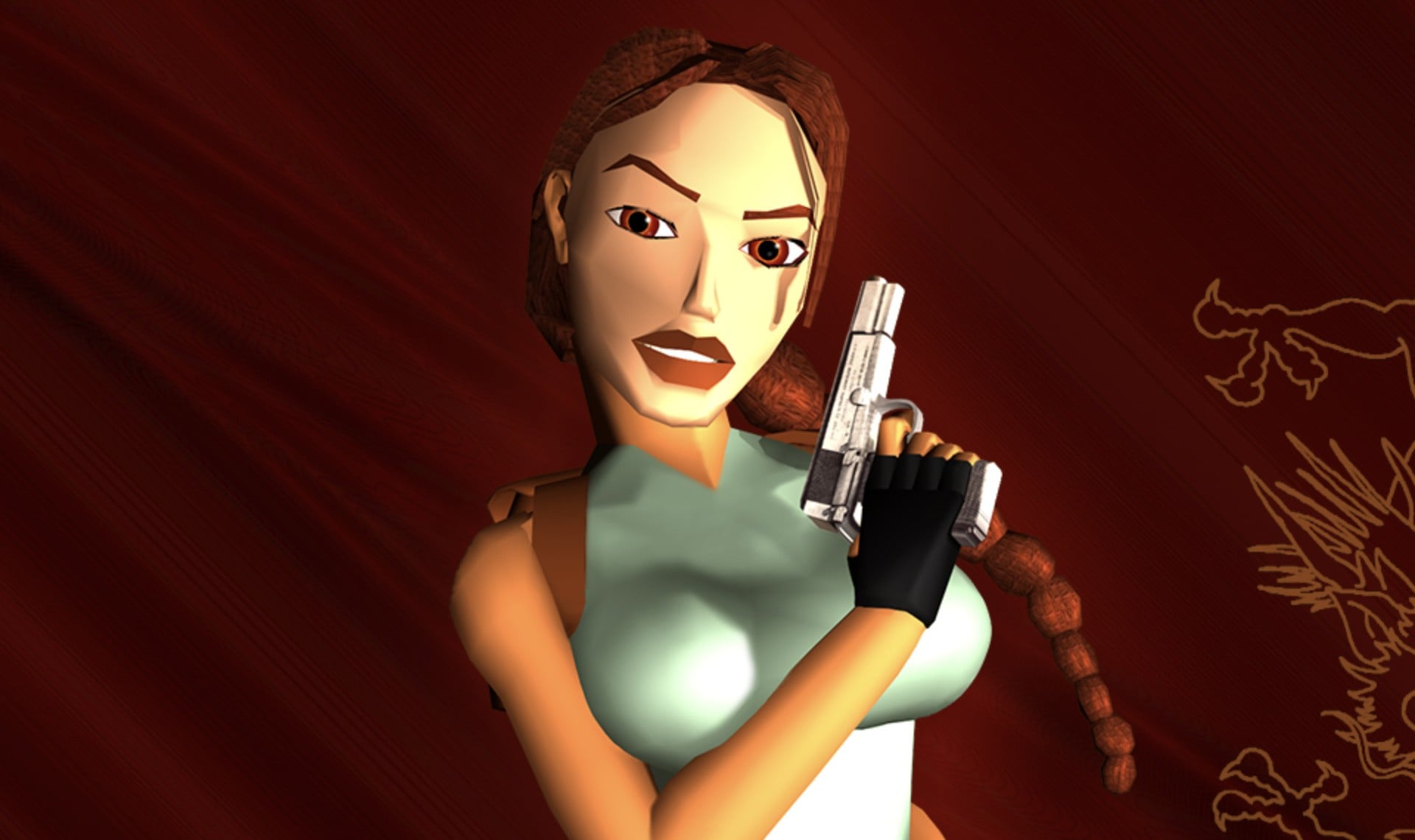
UK-based developer Core Design originally introduced Lara Croft to console audiences with the debut of Tomb Raider on the Sega Saturn in October 1996, marking the start of an iconic franchise.
While the pioneering archaeologist became a definitive mascot for Sony’s PlayStation, her initial foray into 32-bit gaming began with Sega, a detail often overshadowed by later exclusivity agreements.
Though a Sega Saturn version of Tomb Raider II was in development, a pivotal exclusivity deal between publisher Eidos and Sony led to its cancellation.
This left Saturn fans without a follow-up to one of the era’s most influential adventures.
Now, nearly three decades later, the fan developer known as JRTombRaider is working to complete what Core Design could not: bringing Tomb Raider II to Sega’s 32-bit system.
According to statements from JRTombRaider, Tomb Raider debuted on the Sega Saturn in October 1996, launching Lara Croft to international fame.
The developer explains that Tomb Raider II was originally headed for the Saturn, but contractual commitments blocked its release on the platform.
JRTombRaider has set out to rectify this history, bringing Lara Croft’s second adventure back to its original Sega home.
To achieve this, JRTombRaider has released a fully playable demo of Tomb Raider II on the Sega Saturn, created through a combination of technical ingenuity and preservation efforts.
The process involves converting the assets of the original Tomb Raider II and adapting them for the Saturn using custom conversion tools.
The project uses the original Tomb Raider engine as a structural base, augmented with new programming to incorporate gameplay features unique to the sequel.
The result is a hybrid engine that captures the spirit and mechanics of Tomb Raider II within the Saturn’s hardware constraints.
Players who experience the opening level can look forward to upgraded visuals, including dynamic lighting, an improved skybox, new traps, and enemies.
JRTombRaider describes this preview as a glimpse of the project’s broader ambitions, with a more extensive demo scheduled for release in the second quarter of the year.
For those interested in testing the demo, both NTSC and PAL-compatible versions are available.
JRTombRaider provides guidance for international players, noting that the PAL-compensated version preserves gameplay speed and ensures synchronization during key narrative moments on 50 Hz hardware.
This fan-driven initiative stands as a testament to both the enduring appeal of Tomb Raider and the dedication of the Sega Saturn community.
As the gaming world continues to revisit and reimagine its classics, projects like JRTombRaider’s prove that there is still plenty of uncharted territory for iconic franchises on legacy platforms.
The Sega Saturn, once a central battleground of the mid-90s console wars, is set for a remarkable revival in the homebrew scene thanks to a dedicated fan project.
UK-based developer Core Design originally introduced Lara Croft to console audiences with the debut of Tomb Raider on the Sega Saturn in October 1996, marking the start of an iconic franchise.
While the pioneering archaeologist became a definitive mascot for Sony’s PlayStation, her initial foray into 32-bit gaming began with Sega, a detail often overshadowed by later exclusivity agreements.
Though a Sega Saturn version of Tomb Raider II was in development, a pivotal exclusivity deal between publisher Eidos and Sony led to its cancellation.
This left Saturn fans without a follow-up to one of the era’s most influential adventures.
Now, nearly three decades later, the fan developer known as JRTombRaider is working to complete what Core Design could not: bringing Tomb Raider II to Sega’s 32-bit system.
According to statements from JRTombRaider, Tomb Raider debuted on the Sega Saturn in October 1996, launching Lara Croft to international fame.
The developer explains that Tomb Raider II was originally headed for the Saturn, but contractual commitments blocked its release on the platform.
JRTombRaider has set out to rectify this history, bringing Lara Croft’s second adventure back to its original Sega home.
To achieve this, JRTombRaider has released a fully playable demo of Tomb Raider II on the Sega Saturn, created through a combination of technical ingenuity and preservation efforts.
The process involves converting the assets of the original Tomb Raider II and adapting them for the Saturn using custom conversion tools.
The project uses the original Tomb Raider engine as a structural base, augmented with new programming to incorporate gameplay features unique to the sequel.
The result is a hybrid engine that captures the spirit and mechanics of Tomb Raider II within the Saturn’s hardware constraints.
Players who experience the opening level can look forward to upgraded visuals, including dynamic lighting, an improved skybox, new traps, and enemies.
JRTombRaider describes this preview as a glimpse of the project’s broader ambitions, with a more extensive demo scheduled for release in the second quarter of the year.
For those interested in testing the demo, both NTSC and PAL-compatible versions are available.
JRTombRaider provides guidance for international players, noting that the PAL-compensated version preserves gameplay speed and ensures synchronization during key narrative moments on 50 Hz hardware.
This fan-driven initiative stands as a testament to both the enduring appeal of Tomb Raider and the dedication of the Sega Saturn community.
As the gaming world continues to revisit and reimagine its classics, projects like JRTombRaider’s prove that there is still plenty of uncharted territory for iconic franchises on legacy platforms.