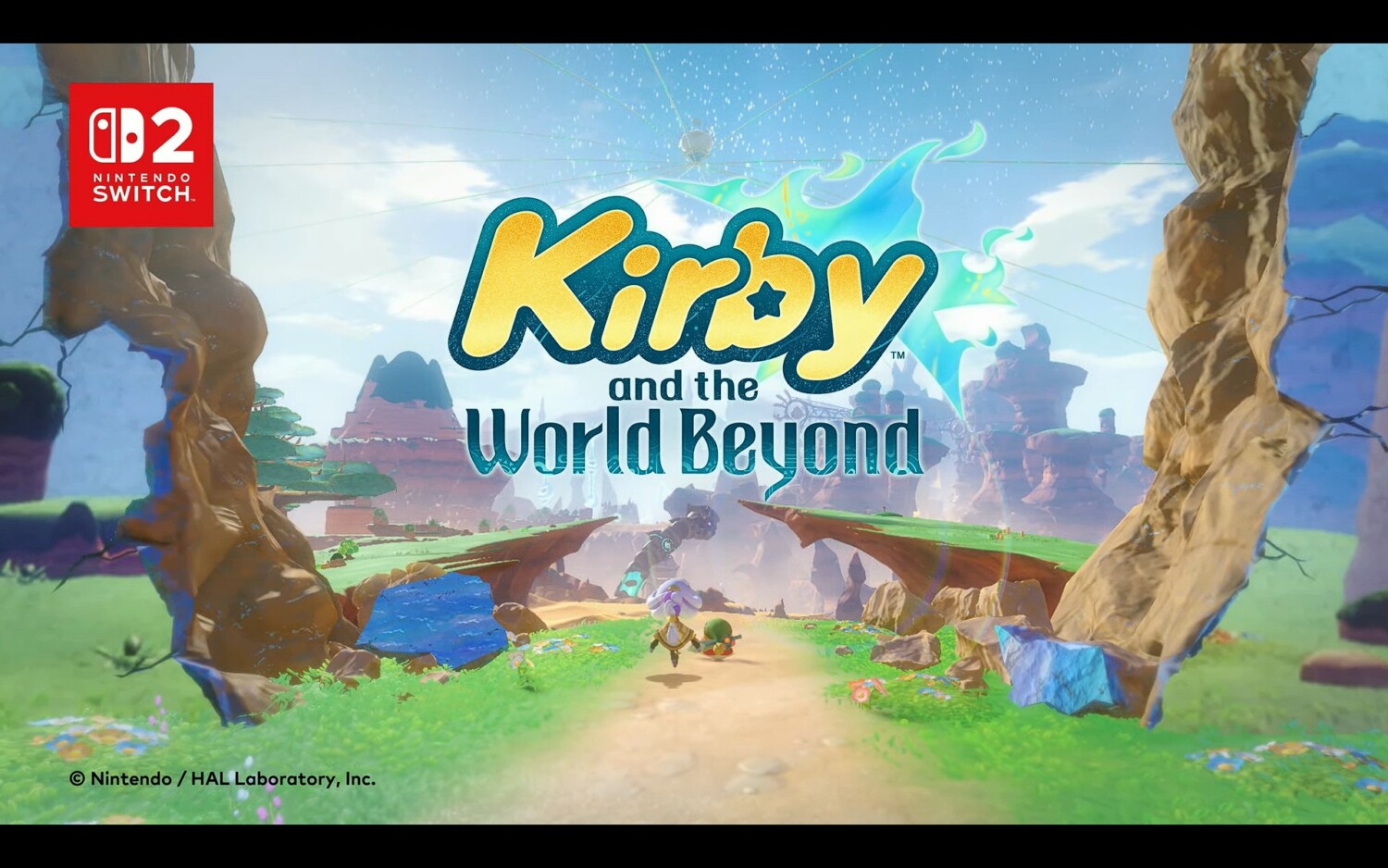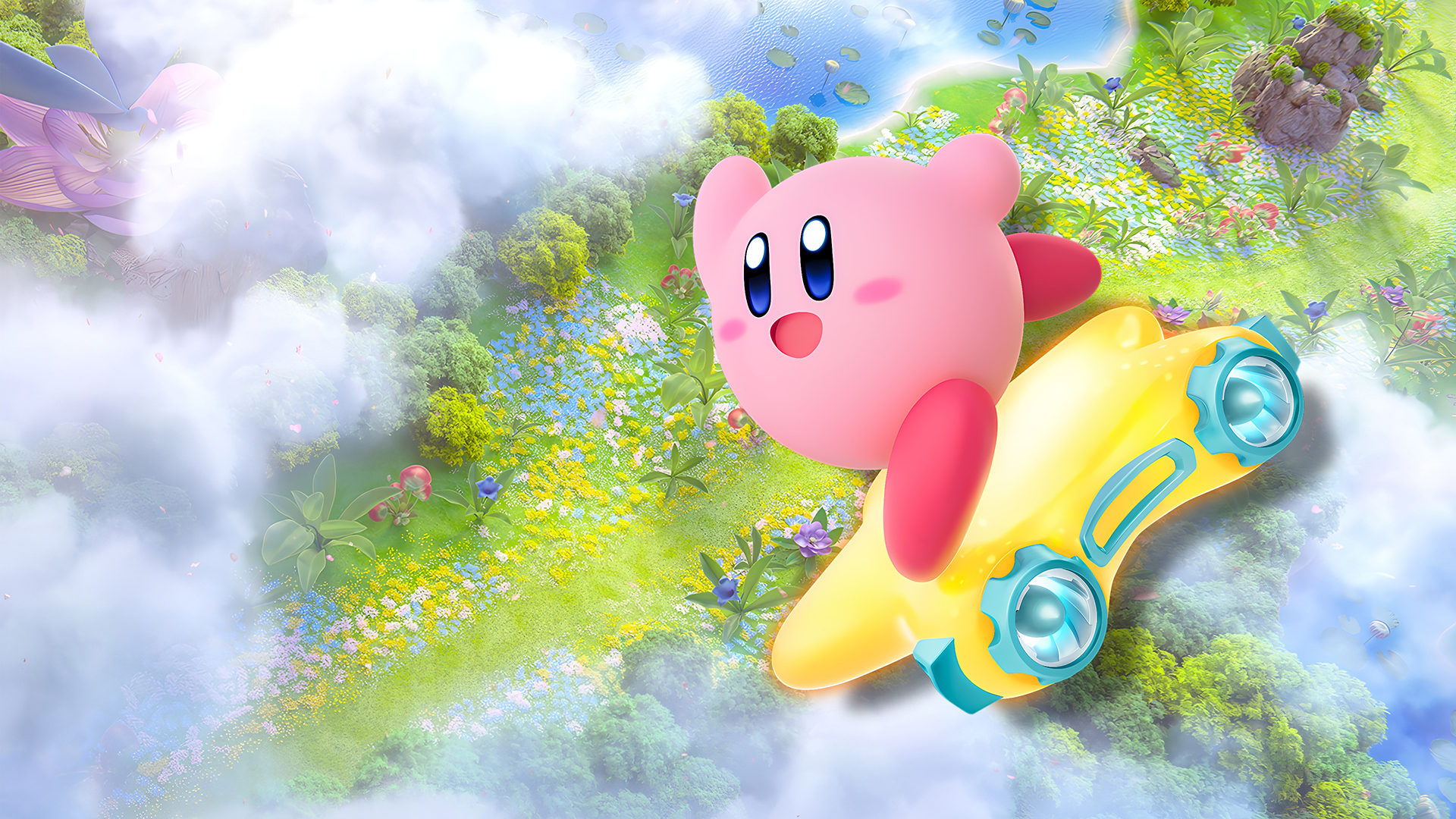
Kirby Air Riders has landed as a commercially solid spin-off for the franchise: as of June 2026 the title has sold just under two million copies.
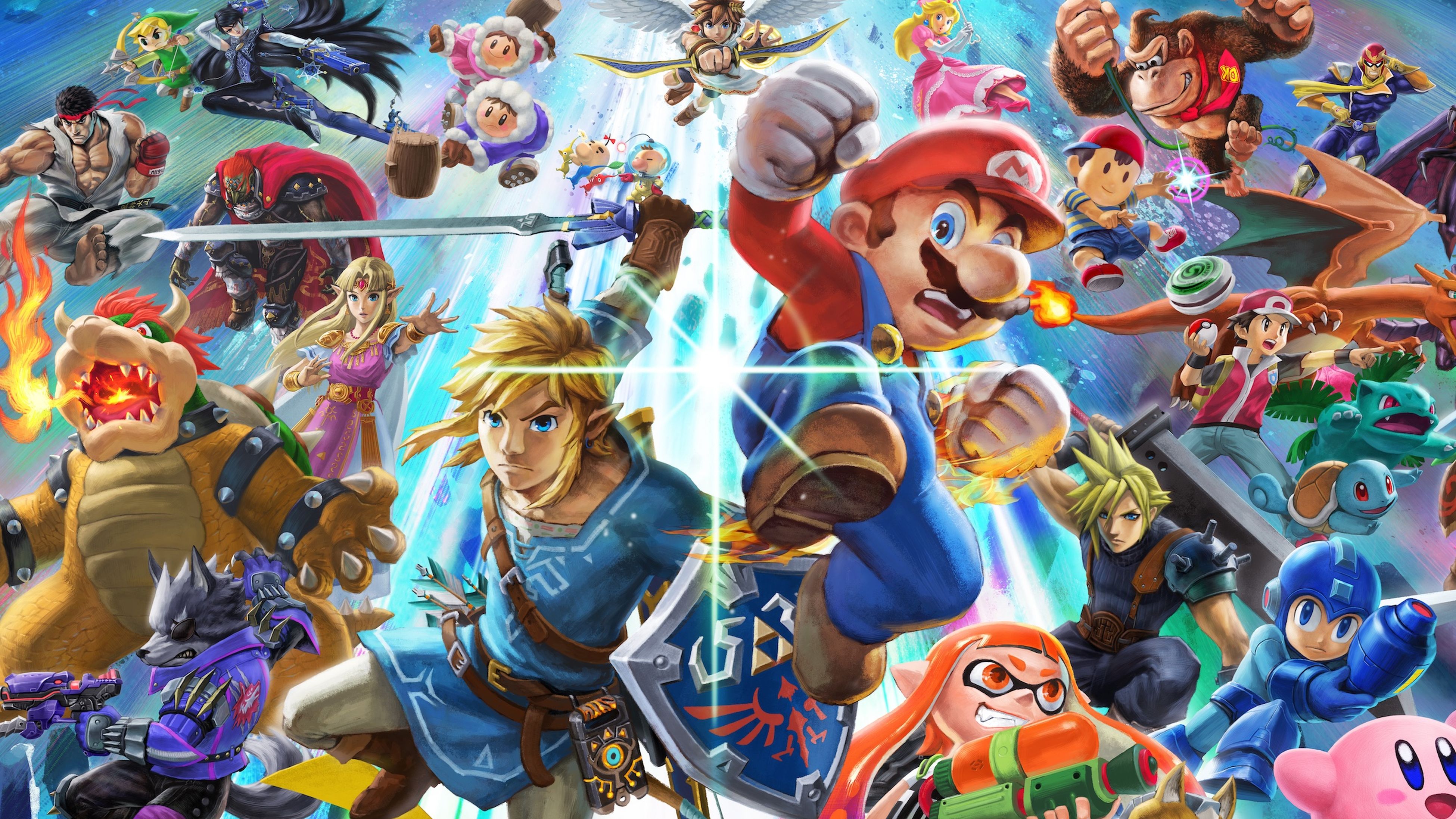
The game’s support for amiibo—sold as two-piece character-and-vehicle Figure Players—was intended to expand competitive and community play, but months after launch the amiibo met with far less engagement than fellow amiibo-enabled titles such as Super Smash Bros.
Ultimate.
High costs, a restrictive hardware and accessory ecosystem, and the design of the amiibo themselves have all been cited by players and community commentators as impediments to building a robust amiibo training metagame around Kirby Air Riders.
Barrier to entry and price
Community reporting highlights the cost burden required to participate in organized amiibo play.
Typical figures cited include the need for a Nintendo Switch 2 hardware unit, the game itself, a Nintendo Switch Online subscription to access online functionality, and the Kirby Air Riders amiibo at MSRP.
Where Super Smash Bros.
Ultimate’s amiibo retailed at relatively low prices during its early lifespan, Kirby Air Riders’ Figure Players are a higher-ticket item and each packaged amiibo includes both a character and a vehicle.
Players and observers characterise the effective investment to be competitive—owning multiple amiibo and vehicle options and training them to optimal proficiency—as prohibitive.
"Players describe the total outlay required to be competitive as prohibitively high," reads community feedback summarized in forums and social threads.
Character selection and competitive variety
Kirby Air Riders ships with seven official Figure Players: Kirby, Bandana Waddle Dee, Meta Knight, King Dedede, Chef Kawasaki, Sword Kirby, and Noir Dedede.
Community reaction has noted the roster’s limited character diversity relative to broader competitive titles: fewer unique character options can constrain tournament variety, even though swappable vehicles and palette customization provide some mechanical diversity.
Technical and NFC complications
A notable technical hurdle is the Figure Players’ two-layer NFC configuration: one layer for the character and one for the vehicle.
Community developers and tournament organizers report that the tools and workflows used during the Super Smash Bros.
Ultimate era—such as backing up amiibo data for offline tournament use—are not compatible with multi-layered NFC data arrangements.
That incompatibility prevents the same convenient tournament logistics that helped sustain amiibo metagames in Smash Ultimate.
Additionally, some players report intermittent scanning errors with dual-piece figures that can require cleaning or handling to resolve.
What this means for amiibo training
Taken together—price, limited roster breadth, and technical NFC complexities—these factors help explain why amiibo training in Kirby Air Riders has not followed the same path as Smash Ultimate.
The game’s sales milestone shows strong consumer interest in the title itself, but the ancillary competitive ecosystem around Figure Players remains underdeveloped.
Have you tried training Kirby Air Riders amiibo on Nintendo Switch 2?
Share your experiences with scanning, training, or tournament play in the comments or on social channels.
The game’s support for amiibo—sold as two-piece character-and-vehicle Figure Players—was intended to expand competitive and community play, but months after launch the amiibo met with far less engagement than fellow amiibo-enabled titles such as Super Smash Bros.
Ultimate.
High costs, a restrictive hardware and accessory ecosystem, and the design of the amiibo themselves have all been cited by players and community commentators as impediments to building a robust amiibo training metagame around Kirby Air Riders.
Barrier to entry and price
Community reporting highlights the cost burden required to participate in organized amiibo play.
Typical figures cited include the need for a Nintendo Switch 2 hardware unit, the game itself, a Nintendo Switch Online subscription to access online functionality, and the Kirby Air Riders amiibo at MSRP.
Where Super Smash Bros.
Ultimate’s amiibo retailed at relatively low prices during its early lifespan, Kirby Air Riders’ Figure Players are a higher-ticket item and each packaged amiibo includes both a character and a vehicle.
Players and observers characterise the effective investment to be competitive—owning multiple amiibo and vehicle options and training them to optimal proficiency—as prohibitive.
"Players describe the total outlay required to be competitive as prohibitively high," reads community feedback summarized in forums and social threads.
Character selection and competitive variety
Kirby Air Riders ships with seven official Figure Players: Kirby, Bandana Waddle Dee, Meta Knight, King Dedede, Chef Kawasaki, Sword Kirby, and Noir Dedede.
Community reaction has noted the roster’s limited character diversity relative to broader competitive titles: fewer unique character options can constrain tournament variety, even though swappable vehicles and palette customization provide some mechanical diversity.
Technical and NFC complications
A notable technical hurdle is the Figure Players’ two-layer NFC configuration: one layer for the character and one for the vehicle.
Community developers and tournament organizers report that the tools and workflows used during the Super Smash Bros.
Ultimate era—such as backing up amiibo data for offline tournament use—are not compatible with multi-layered NFC data arrangements.
That incompatibility prevents the same convenient tournament logistics that helped sustain amiibo metagames in Smash Ultimate.
Additionally, some players report intermittent scanning errors with dual-piece figures that can require cleaning or handling to resolve.
What this means for amiibo training
Taken together—price, limited roster breadth, and technical NFC complexities—these factors help explain why amiibo training in Kirby Air Riders has not followed the same path as Smash Ultimate.
The game’s sales milestone shows strong consumer interest in the title itself, but the ancillary competitive ecosystem around Figure Players remains underdeveloped.
Have you tried training Kirby Air Riders amiibo on Nintendo Switch 2?
Share your experiences with scanning, training, or tournament play in the comments or on social channels.