
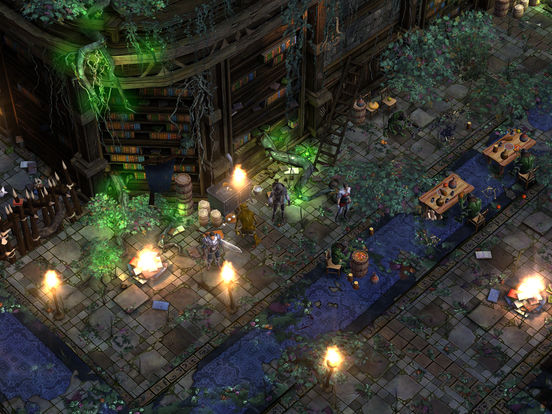
Ember Labs, the independent studio behind Kena: Bridge of Spirits, has confirmed that the team attempted to port the game to the original Nintendo Switch but ultimately found the platform’s hardware limitations prohibitive.
Kena, Ember Labs’ debut title, was first released for PlayStation 4, PlayStation 5 and PC on September 21, 2021, with a later Steam release in August 2022.
In a recent interview, COO Josh Grier walked through the technical and design challenges the studio encountered during the Switch 1 effort.
Grier explained that a faithful Switch 1 version would have required significant compromises to the game’s artistic presentation and technical targets.
He said the team tested builds but would have had to “alter the artistic style” and drastically compress assets in order to approach the target frame rate and resolution.
According to Grier, attempts to improve resolution resulted in unacceptable drops in frame rate during more complex scenes, and those performance hits negatively affected platforming and the core feel of movement and controls.
In journalistic terms, Ember Labs’ leadership concluded that the original Switch hardware forced trade-offs that would have degraded player experience.
Grier noted that while a Switch 1 build exists on company servers, it did not meet the studio’s standards for a release.
The company therefore shifted development toward more powerful hardware to preserve the game’s visual design, frame-rate targets and tight platforming mechanics.
This account highlights a common challenge for visually ambitious indie titles: balancing artistic intent with the constraints of handheld hardware.
The original Nintendo Switch, released in 2017, has been successfully targeted by many developers through optimization and design changes, but Ember Labs determined that doing so for Kena would have required unacceptable sacrifices.
If a future release on Nintendo platforms is pursued, distribution would typically occur via the Nintendo eShop, and any announcement would likely be coordinated through Nintendo’s official channels, such as a Nintendo Direct.
Ember Labs’ candid explanation provides a clear example of how performance, resolution and gameplay fidelity drive platform decisions for modern multiplatform games.
Josh Grier’s comments make plain that the studio prioritized preserving Kena’s experience over forcing a compromised port.
Kena, Ember Labs’ debut title, was first released for PlayStation 4, PlayStation 5 and PC on September 21, 2021, with a later Steam release in August 2022.
In a recent interview, COO Josh Grier walked through the technical and design challenges the studio encountered during the Switch 1 effort.
Grier explained that a faithful Switch 1 version would have required significant compromises to the game’s artistic presentation and technical targets.
He said the team tested builds but would have had to “alter the artistic style” and drastically compress assets in order to approach the target frame rate and resolution.
According to Grier, attempts to improve resolution resulted in unacceptable drops in frame rate during more complex scenes, and those performance hits negatively affected platforming and the core feel of movement and controls.
In journalistic terms, Ember Labs’ leadership concluded that the original Switch hardware forced trade-offs that would have degraded player experience.
Grier noted that while a Switch 1 build exists on company servers, it did not meet the studio’s standards for a release.
The company therefore shifted development toward more powerful hardware to preserve the game’s visual design, frame-rate targets and tight platforming mechanics.
This account highlights a common challenge for visually ambitious indie titles: balancing artistic intent with the constraints of handheld hardware.
The original Nintendo Switch, released in 2017, has been successfully targeted by many developers through optimization and design changes, but Ember Labs determined that doing so for Kena would have required unacceptable sacrifices.
If a future release on Nintendo platforms is pursued, distribution would typically occur via the Nintendo eShop, and any announcement would likely be coordinated through Nintendo’s official channels, such as a Nintendo Direct.
Ember Labs’ candid explanation provides a clear example of how performance, resolution and gameplay fidelity drive platform decisions for modern multiplatform games.
Josh Grier’s comments make plain that the studio prioritized preserving Kena’s experience over forcing a compromised port.



![Kingdom Hearts Collection [1-3] Launch Trailer Drops — Full Compilation Now on Nintendo Switch and Nintendo eShop - Nintendo News Article](https://nintendoeverything.com/wp-content/uploads/Kingdom-Hearts-Collection-1-3-launch-trailer.jpg)