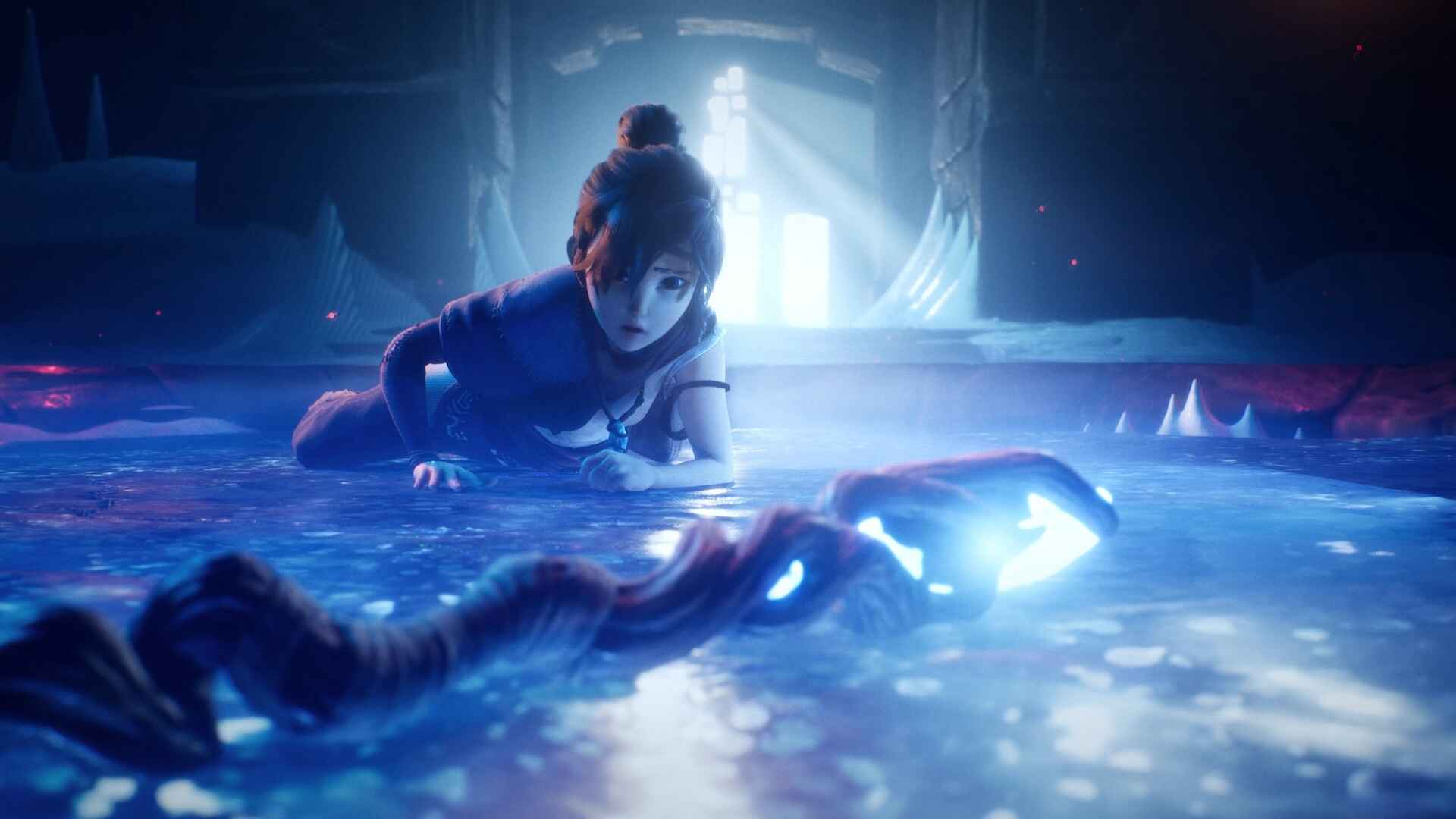
Kena: Bridge of Spirits has captured the attention of action-adventure enthusiasts since its debut on PlayStation 5 and PC, praised for its cinematic presentation, emotive storytelling, and beautifully realized world.
Developed by Ember Lab, the title marked the studio’s impressive foray into the realm of video games, quickly becoming an indie darling and garnering critical acclaim for its engaging blend of combat, puzzle-solving, and platforming elements.
Now, Kena makes its way onto Nintendo Switch 2, the latest iteration of Nintendo’s ever-popular hybrid console, bringing with it a wave of anticipation—and some challenging compromises.
The Switch 2 port arrives with all prior updates and patches, meaning players have immediate access to the New Game Plus mode, unlocked after completing the main game—an appreciated inclusion for newcomers and series veterans alike.
In its early moments, the port leverages the enhanced HD Rumble 2 technology to deliver impactful haptic feedback and initially impresses with clean presentation.
However, as players progress to wider environments, the technical limitations of the hardware begin to surface.
For those unfamiliar, Kena: Bridge of Spirits is celebrated for weaving a heartfelt narrative with engaging exploration, endearing companion characters, precise combat, and environmental puzzles.
While the core gameplay and charm remain intact on Switch 2, longtime fans and newcomers will notice key visual concessions.
Reviewing the new port alongside the Steam Deck and PlayStation 5 editions, the differences become clear.
Unlike its PS5 counterpart, Kena's Nintendo Switch 2 version does not offer graphics or performance modes.
The game targets 30 frames per second for a majority of the adventure, generally maintaining smooth frame pacing with only rare drops in certain open areas.
Notably, Variable Refresh Rate (VRR) support is absent, and while more severe stuttering or hitches found on competing PC handhelds are largely mitigated, the Switch 2 struggles with visual artifacts during gameplay.
One of the most prominent issues is ghosting, particularly visible when characters or objects move within complex environments—an effect present both in docked and handheld modes.
Visual settings for foliage, texture filtering, and shadows are dialed back to suit the platform, though the lighting retains a pleasing quality, reminiscent of the title's original vision.
Comparing the experience to Steam Deck, players can achieve higher frame rates or enhanced visuals on PC, albeit at the cost of battery life.
Another consideration is some input lag, which requires an adjustment period and further affects the sense of polish that Kena is known for.
Upscaling methods used in the port fall short in fully resolving motion clarity, leading to distractingly blurry visuals for the player.
Despite these drawbacks, Kena: Bridge of Spirits continues to shine through its satisfying mix of fast-paced combat, striking art direction, and approachable puzzle-platforming.
Ember Lab’s title retains its emotional core, though the Switch 2 port's visual setbacks and lack of performance flexibility make it difficult to recommend at a premium price point for those sensitive to image quality.
Fans eager to experience Kena on Nintendo’s latest hardware should be aware of these trade-offs, and updates may be necessary to reach parity with its original release.
Ember Lab’s move to expand Kena: Bridge of Spirits onto Switch 2 demonstrates ongoing support for the growing platform and offers another way for Nintendo audiences to discover this indie gem.
However, until key visual issues are addressed, players seeking the definitive version may be better served on other systems—or may wish to revisit the game on Switch 2 after future patches enhance its performance and fidelity.
Developed by Ember Lab, the title marked the studio’s impressive foray into the realm of video games, quickly becoming an indie darling and garnering critical acclaim for its engaging blend of combat, puzzle-solving, and platforming elements.
Now, Kena makes its way onto Nintendo Switch 2, the latest iteration of Nintendo’s ever-popular hybrid console, bringing with it a wave of anticipation—and some challenging compromises.
The Switch 2 port arrives with all prior updates and patches, meaning players have immediate access to the New Game Plus mode, unlocked after completing the main game—an appreciated inclusion for newcomers and series veterans alike.
In its early moments, the port leverages the enhanced HD Rumble 2 technology to deliver impactful haptic feedback and initially impresses with clean presentation.
However, as players progress to wider environments, the technical limitations of the hardware begin to surface.
For those unfamiliar, Kena: Bridge of Spirits is celebrated for weaving a heartfelt narrative with engaging exploration, endearing companion characters, precise combat, and environmental puzzles.
While the core gameplay and charm remain intact on Switch 2, longtime fans and newcomers will notice key visual concessions.
Reviewing the new port alongside the Steam Deck and PlayStation 5 editions, the differences become clear.
Unlike its PS5 counterpart, Kena's Nintendo Switch 2 version does not offer graphics or performance modes.
The game targets 30 frames per second for a majority of the adventure, generally maintaining smooth frame pacing with only rare drops in certain open areas.
Notably, Variable Refresh Rate (VRR) support is absent, and while more severe stuttering or hitches found on competing PC handhelds are largely mitigated, the Switch 2 struggles with visual artifacts during gameplay.
One of the most prominent issues is ghosting, particularly visible when characters or objects move within complex environments—an effect present both in docked and handheld modes.
Visual settings for foliage, texture filtering, and shadows are dialed back to suit the platform, though the lighting retains a pleasing quality, reminiscent of the title's original vision.
Comparing the experience to Steam Deck, players can achieve higher frame rates or enhanced visuals on PC, albeit at the cost of battery life.
Another consideration is some input lag, which requires an adjustment period and further affects the sense of polish that Kena is known for.
Upscaling methods used in the port fall short in fully resolving motion clarity, leading to distractingly blurry visuals for the player.
Despite these drawbacks, Kena: Bridge of Spirits continues to shine through its satisfying mix of fast-paced combat, striking art direction, and approachable puzzle-platforming.
Ember Lab’s title retains its emotional core, though the Switch 2 port's visual setbacks and lack of performance flexibility make it difficult to recommend at a premium price point for those sensitive to image quality.
Fans eager to experience Kena on Nintendo’s latest hardware should be aware of these trade-offs, and updates may be necessary to reach parity with its original release.
Ember Lab’s move to expand Kena: Bridge of Spirits onto Switch 2 demonstrates ongoing support for the growing platform and offers another way for Nintendo audiences to discover this indie gem.
However, until key visual issues are addressed, players seeking the definitive version may be better served on other systems—or may wish to revisit the game on Switch 2 after future patches enhance its performance and fidelity.