


Background
In 1994 Capcom released X-Men: Children of the Atom as an arcade fighting game built on Capcom’s CP System II (CPS-II) hardware.
The game marked one of Capcom’s earliest high-profile collaborations with Marvel and helped lay the foundation for later arcade versus fighting titles such as Marvel Super Heroes (1995), X-Men vs. Street Fighter (1996) and subsequent entries in the Marvel vs. Capcom lineage.
That partnership had a commercial impact: the head-to-head Marvel-licensed fighters became staples of the arcade and fighting-game scene across the mid-to-late 1990s.
Licensor constraints and a notable character rule
In a recent interview with Time Extension, former Capcom localisation lead Tom Shiraiwa described how Marvel enforced unusually specific character rules during the early collaboration.
Shiraiwa recalled that Marvel vetted character behaviour and personality very closely and would approve use of individual characters case-by-case.
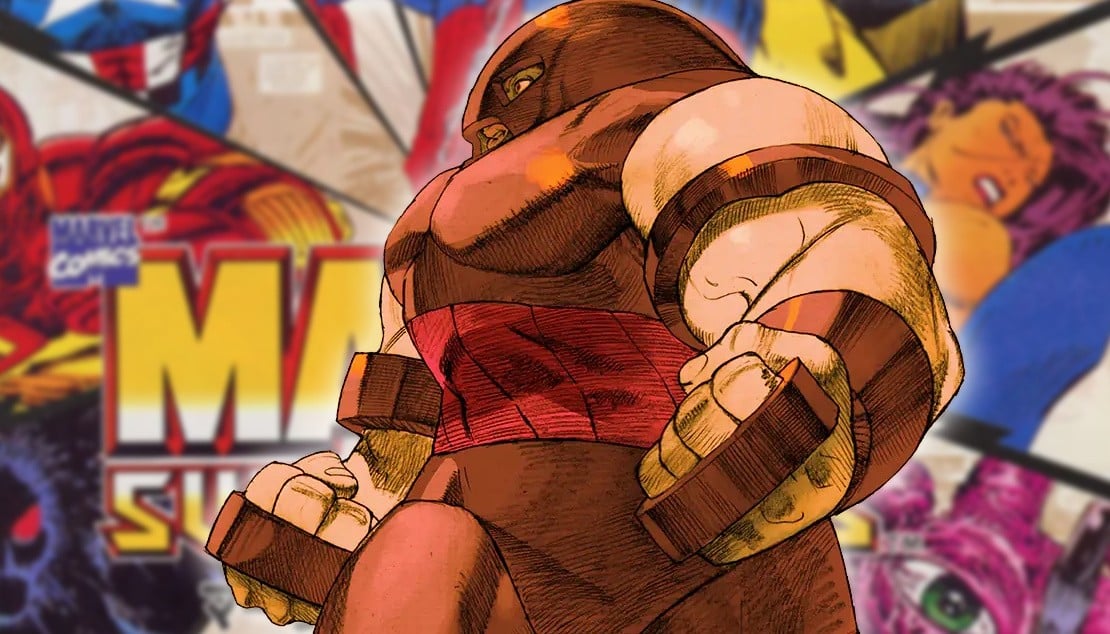
One early sticking point was the X-Men character Juggernaut: Marvel initially objected to any animation showing Juggernaut jumping, on the grounds that the character’s canonical traits were that he relied on unstoppable momentum and heavy footing.
Shiraiwa acted as an intermediary and pressed Marvel on practical gameplay implications.
He explained that in a one-on-one fighting game a character that literally cannot jump would create problems — for example, how the character would handle gaps or vertical attacks.
After negotiations, Marvel relented and permitted Capcom to include jump animations for Juggernaut so the game could function as a balanced fighter.
Legacy and archival discoveries
That early period of strict licensor oversight is echoed elsewhere in the era’s documentation.
A late-’90s Capcom website uncovered by fighting-game YouTuber TheSeventhForce and translated by EventHubs revealed producer Kenji Kataoka’s design essays and lists of characters Capcom was — and wasn’t — allowed to use for Marvel vs. Capcom: Clash of Super Heroes.
According to Shiraiwa, Marvel’s approach softened after Capcom’s licensed fighters proved commercially successful: the company became more permissive about in-game portrayals.
Why it matters
The anecdote highlights the practical challenges of licensed game development: licensors often seek to protect character integrity, while developers must adapt fictional rules to interactive systems.
For historians of fighting games and industry professionals, Shiraiwa’s recollection provides a concrete example of how creative and legal concerns intersected during the 1990s arcade era.
Fans continue to reference these origins when discussing potential re-releases or anthology collections on modern storefronts such as the Nintendo Switch eShop, though licensing remains a key consideration for publishers and platform holders.
In 1994 Capcom released X-Men: Children of the Atom as an arcade fighting game built on Capcom’s CP System II (CPS-II) hardware.
The game marked one of Capcom’s earliest high-profile collaborations with Marvel and helped lay the foundation for later arcade versus fighting titles such as Marvel Super Heroes (1995), X-Men vs. Street Fighter (1996) and subsequent entries in the Marvel vs. Capcom lineage.
That partnership had a commercial impact: the head-to-head Marvel-licensed fighters became staples of the arcade and fighting-game scene across the mid-to-late 1990s.
Licensor constraints and a notable character rule
In a recent interview with Time Extension, former Capcom localisation lead Tom Shiraiwa described how Marvel enforced unusually specific character rules during the early collaboration.
Shiraiwa recalled that Marvel vetted character behaviour and personality very closely and would approve use of individual characters case-by-case.
One early sticking point was the X-Men character Juggernaut: Marvel initially objected to any animation showing Juggernaut jumping, on the grounds that the character’s canonical traits were that he relied on unstoppable momentum and heavy footing.
Shiraiwa acted as an intermediary and pressed Marvel on practical gameplay implications.
He explained that in a one-on-one fighting game a character that literally cannot jump would create problems — for example, how the character would handle gaps or vertical attacks.
After negotiations, Marvel relented and permitted Capcom to include jump animations for Juggernaut so the game could function as a balanced fighter.
Legacy and archival discoveries
That early period of strict licensor oversight is echoed elsewhere in the era’s documentation.
A late-’90s Capcom website uncovered by fighting-game YouTuber TheSeventhForce and translated by EventHubs revealed producer Kenji Kataoka’s design essays and lists of characters Capcom was — and wasn’t — allowed to use for Marvel vs. Capcom: Clash of Super Heroes.
According to Shiraiwa, Marvel’s approach softened after Capcom’s licensed fighters proved commercially successful: the company became more permissive about in-game portrayals.
Why it matters
The anecdote highlights the practical challenges of licensed game development: licensors often seek to protect character integrity, while developers must adapt fictional rules to interactive systems.
For historians of fighting games and industry professionals, Shiraiwa’s recollection provides a concrete example of how creative and legal concerns intersected during the 1990s arcade era.
Fans continue to reference these origins when discussing potential re-releases or anthology collections on modern storefronts such as the Nintendo Switch eShop, though licensing remains a key consideration for publishers and platform holders.


