A recently resurfaced report from Time Extension has confirmed that a set of live-action Star Fox puppets created to promote the original Super Nintendo release were disposed of after production because their materials deteriorated.
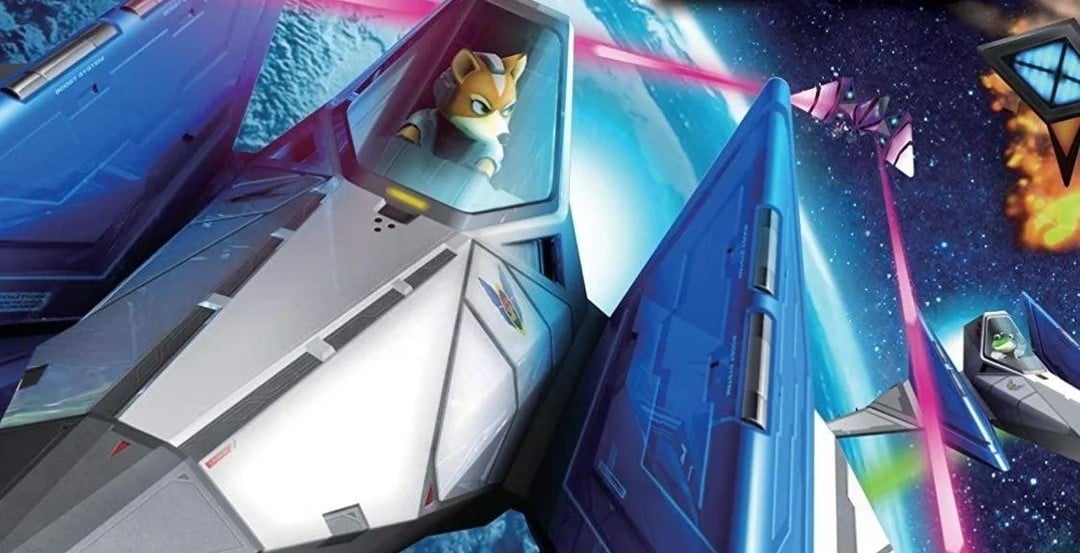
The promotional pieces depicted the franchise's core cast—Fox McCloud, Slippy Toad, Falco Lombardi and Peppy Hare—and were commissioned around the time Nintendo was marketing Star Fox for the Super Nintendo Entertainment System.
Star Fox, released for the Super Nintendo in 1993, was developed in collaboration between Nintendo and Argonaut Software and became notable for its use of the Super FX chip to render polygonal 3D graphics on the Super NES hardware.
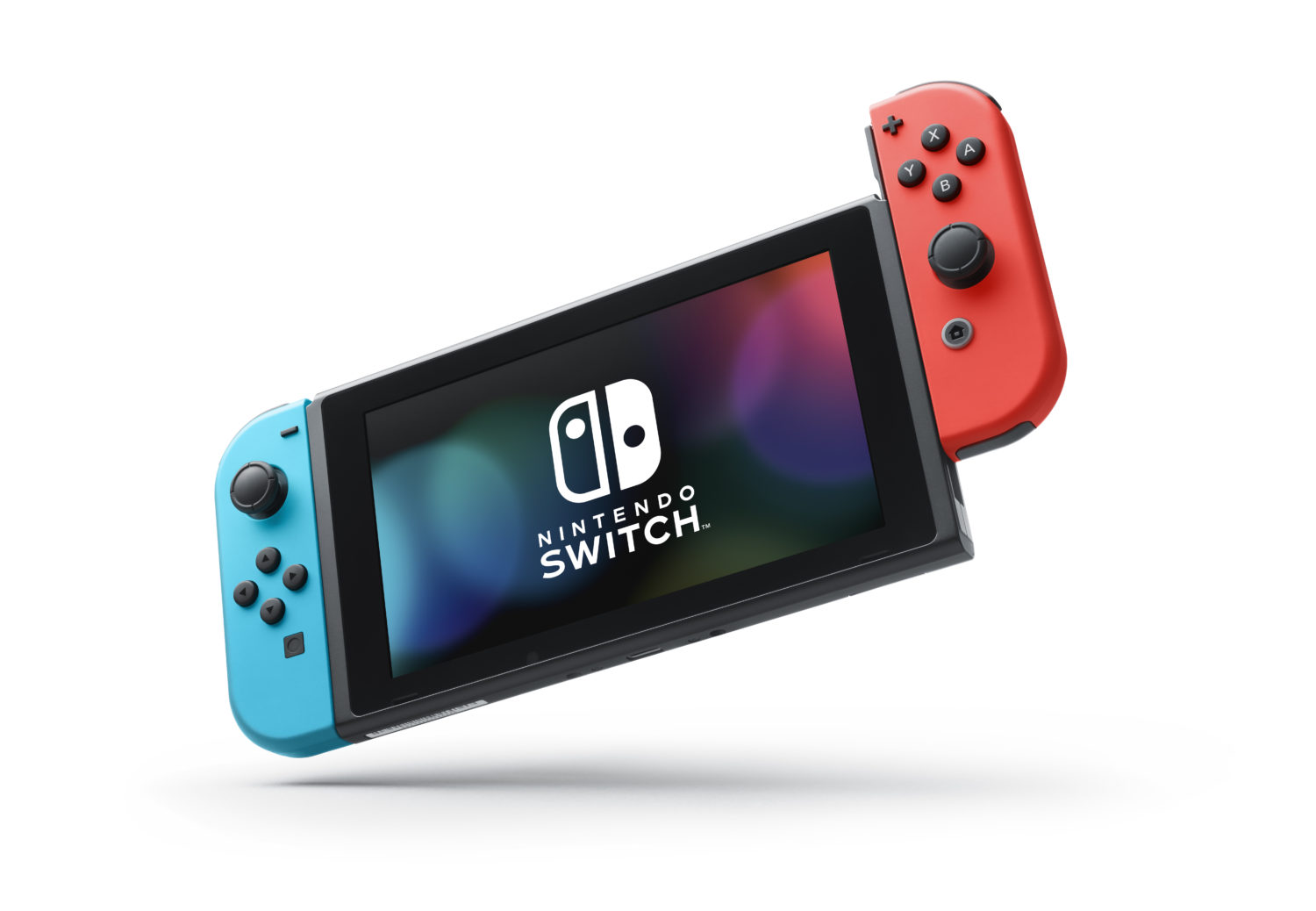
The game's technical achievements helped establish the franchise as a landmark title for Nintendo's 16-bit era and remain part of the company's legacy as it continues to support the series across later systems and promotional channels, including Nintendo Direct presentations and the Nintendo Switch era.
Time Extension reports that the puppet work was handled by a third-party production company contracted for the promotional campaign.
That company explained the reason for destroying the puppets after filming: the figures were assembled by adhering fur and feather materials onto natural rubber, a combination that caused rapid degradation when exposed to air.
In their words, the materials oxidized and deteriorated quickly, making preservation impractical, so the company destroyed the puppets once production concluded.
The discovery offers a rare glimpse into how Nintendo and its partners approached marketing for major releases in the early 1990s, relying on physical, live-action elements that do not always survive the passage of time.
Time Extension's reporting, aided by a tip from user Greatsong1, documents the fate of these promotional artifacts and underscores the fragility of non-archived marketing materials from the pre-digital era.
For collectors and historians of Nintendo and Super Nintendo-era marketing, the story is a factual reminder that not all promotional creations endure, even for high-profile franchises like Star Fox.
The game's ongoing cultural footprint can still be explored through preserved software and documented hardware milestones, while physical ephemera may be lost unless actively archived.
The promotional pieces depicted the franchise's core cast—Fox McCloud, Slippy Toad, Falco Lombardi and Peppy Hare—and were commissioned around the time Nintendo was marketing Star Fox for the Super Nintendo Entertainment System.
Star Fox, released for the Super Nintendo in 1993, was developed in collaboration between Nintendo and Argonaut Software and became notable for its use of the Super FX chip to render polygonal 3D graphics on the Super NES hardware.
The game's technical achievements helped establish the franchise as a landmark title for Nintendo's 16-bit era and remain part of the company's legacy as it continues to support the series across later systems and promotional channels, including Nintendo Direct presentations and the Nintendo Switch era.
Time Extension reports that the puppet work was handled by a third-party production company contracted for the promotional campaign.
That company explained the reason for destroying the puppets after filming: the figures were assembled by adhering fur and feather materials onto natural rubber, a combination that caused rapid degradation when exposed to air.
In their words, the materials oxidized and deteriorated quickly, making preservation impractical, so the company destroyed the puppets once production concluded.
The discovery offers a rare glimpse into how Nintendo and its partners approached marketing for major releases in the early 1990s, relying on physical, live-action elements that do not always survive the passage of time.
Time Extension's reporting, aided by a tip from user Greatsong1, documents the fate of these promotional artifacts and underscores the fragility of non-archived marketing materials from the pre-digital era.
For collectors and historians of Nintendo and Super Nintendo-era marketing, the story is a factual reminder that not all promotional creations endure, even for high-profile franchises like Star Fox.
The game's ongoing cultural footprint can still be explored through preserved software and documented hardware milestones, while physical ephemera may be lost unless actively archived.