Nintendo Support Warns: Charge Nintendo Switch and Other Devices with Lithium-Ion Batteries Every Six Months
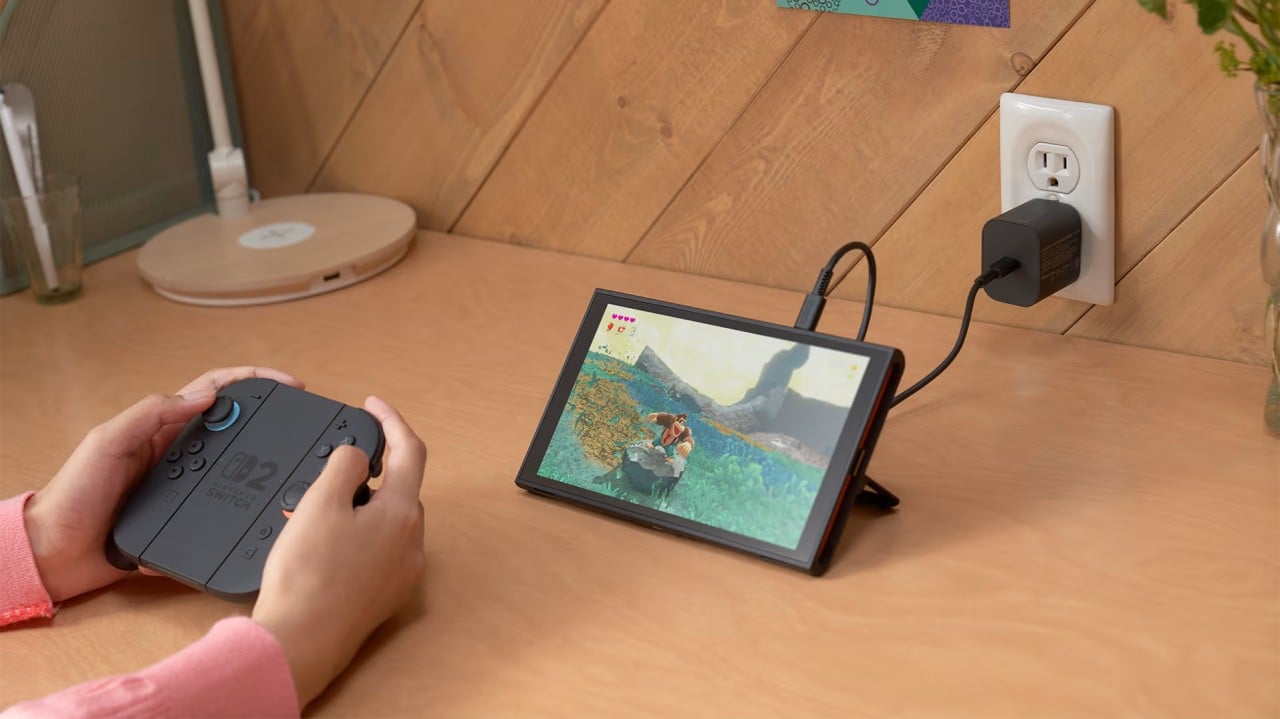
Nintendo's official support account on X has issued a reminder that consoles and handhelds containing built-in lithium-ion batteries should be charged periodically even when they are not in regular use.
The guidance — relevant to owners of the Nintendo Switch family (Nintendo Switch, Nintendo Switch Lite, and Nintendo Switch OLED) as well as other modern portable devices — underscores basic maintenance practices that can help preserve long-term battery health.
Background and context
Since its launch on March 3, 2017, the Nintendo Switch has become Nintendo's flagship portable/home-hybrid platform and remains a widely used device in households worldwide.
Nintendo followed up the original model with the handheld-focused Switch Lite on September 20, 2019, and the premium Nintendo Switch OLED on October 8, 2021.
All of these systems use internal rechargeable batteries that, like other lithium-ion cells, require occasional charging to avoid capacity loss when left in storage for long periods.
What Nintendo said (rewritten)
Nintendo's support message explained that lithium-ion batteries built into game consoles and similar devices can lose their ability to hold charge if they are left unused for extended periods in an intermediate or discharged state.
The company advised users to power on and recharge stored products at least once every six months to help ensure the battery retains its charge capacity.
Why this matters
Lithium-ion chemistry is the standard in modern portable electronics and is used across gaming hardware sold through the Nintendo eShop and retail channels.
Regular maintenance is a simple preventive step for collectors, families with multiple systems, and anyone who stores handheld devices in cupboards or drawers.
Booting a device periodically and charging it can help avoid finding a console with a depleted battery months or years later.
Practical takeaway
Owners of Nintendo Switch systems and other handhelds should check stored devices on a semiannual schedule to power them up and recharge as recommended by Nintendo Support.
This guidance is practical, manufacturer-recommended maintenance rather than a software or warranty change and applies to the hardware lifecycle of modern battery-powered gaming devices.
Nintendo's official support account on X has issued a reminder that consoles and handhelds containing built-in lithium-ion batteries should be charged periodically even when they are not in regular use.
The guidance — relevant to owners of the Nintendo Switch family (Nintendo Switch, Nintendo Switch Lite, and Nintendo Switch OLED) as well as other modern portable devices — underscores basic maintenance practices that can help preserve long-term battery health.
Background and context
Since its launch on March 3, 2017, the Nintendo Switch has become Nintendo's flagship portable/home-hybrid platform and remains a widely used device in households worldwide.
Nintendo followed up the original model with the handheld-focused Switch Lite on September 20, 2019, and the premium Nintendo Switch OLED on October 8, 2021.
All of these systems use internal rechargeable batteries that, like other lithium-ion cells, require occasional charging to avoid capacity loss when left in storage for long periods.
What Nintendo said (rewritten)
Nintendo's support message explained that lithium-ion batteries built into game consoles and similar devices can lose their ability to hold charge if they are left unused for extended periods in an intermediate or discharged state.
The company advised users to power on and recharge stored products at least once every six months to help ensure the battery retains its charge capacity.
Why this matters
Lithium-ion chemistry is the standard in modern portable electronics and is used across gaming hardware sold through the Nintendo eShop and retail channels.
Regular maintenance is a simple preventive step for collectors, families with multiple systems, and anyone who stores handheld devices in cupboards or drawers.
Booting a device periodically and charging it can help avoid finding a console with a depleted battery months or years later.
Practical takeaway
Owners of Nintendo Switch systems and other handhelds should check stored devices on a semiannual schedule to power them up and recharge as recommended by Nintendo Support.
This guidance is practical, manufacturer-recommended maintenance rather than a software or warranty change and applies to the hardware lifecycle of modern battery-powered gaming devices.