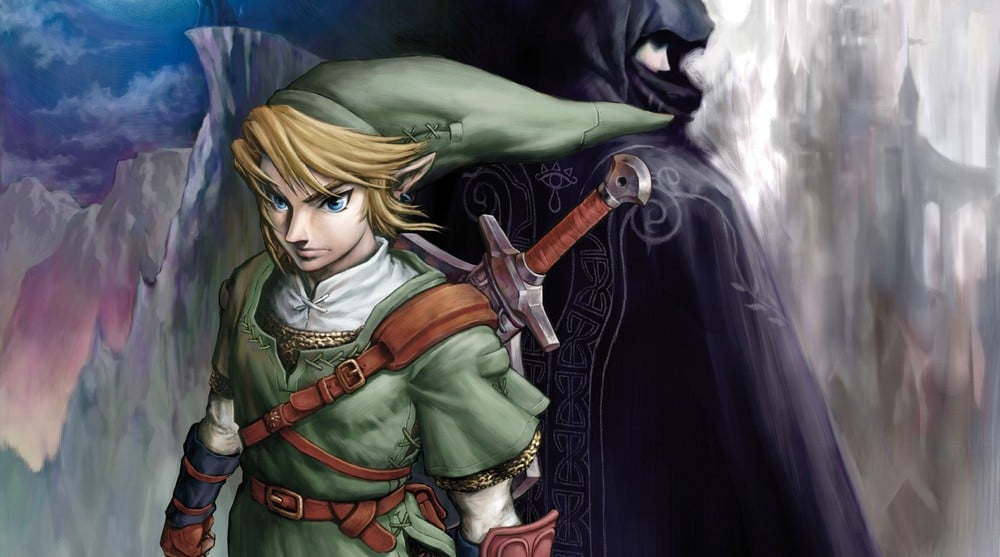

The Legend of Zelda: Twilight Princess, a beloved entry in Nintendo’s iconic action-adventure series, has captured the imagination of fans since its original launch on the Nintendo GameCube and Wii in 2006.
While the title later saw an HD remaster for the Wii U and continues to maintain a dedicated fanbase, recent developments in the Zelda community have set the stage for a significant milestone: the concurrent creation of two distinct native PC ports, each led by separate fan teams.
Last week, attention turned to 'Courage Reborn,' a fan-driven project aiming to bring The Legend of Zelda: Twilight Princess natively to PC platforms.
Project lead Linifadomra offered an initial glimpse into the technical strides made during a recent first-look video.
However, the landscape shifted even further with the announcement of 'Dusk,' a competing yet cooperative PC port unveiled via a new trailer.
Notably, Dusk is being spearheaded by separate developers, including members from the Twilight Princess Decompilation team, prominent figures in the Zelda speedrunning community, and contributors from the Aurora team known as Twilit Realm.
Both development teams have emphasized a spirit of camaraderie rather than rivalry.
Public FAQs released by both Courage Reborn and Dusk confirm reciprocal support, clarifying that their decision to pursue separate projects comes from divergent technical approaches rather than any animosity.
This collaborative dynamic reflects the broader ethos within the Zelda fan development scene, where sharing insights is often valued as highly as the projects themselves.
According to the Dusk announcement released on April 12th, 2026, the port is being developed for multiple platforms, including Windows, MacOS, Linux, iOS, and Android.
This multi-platform approach aims to broaden accessibility beyond what was previously available on official Nintendo hardware and the Wii U’s eShop.
Moreover, Dusk’s developers are integrating a wide array of customization options for players.
These include support for unlocked framerates up to 120FPS, adjustable via skeleton interpolation technology, as explained to content creator BeenTachi.
Skeleton interpolation allows the game to maintain smooth animations between frames, an essential upgrade for modern displays.
In addition to higher performance capabilities, Dusk will offer ultrawide monitor support, a mirror mode mimicking the original Wii version of Twilight Princess, and toggleable features derived from the HD remaster—ranging from expanded wallet sizes to faster player climbing speeds.
The team has also acknowledged community interest in including Wii Remote-style motion controls, stating that exploration into this feature is ongoing, though not officially confirmed for release at this stage.
The emergence of both Courage Reborn and Dusk illustrates the enduring passion surrounding The Legend of Zelda: Twilight Princess.
By prioritizing cross-team support, technical transparency, and platform inclusivity, these projects not only underscore the legacy of Nintendo’s 2006 classic but also highlight the vibrant, developer-driven space within the broader gaming community.
As both ports progress, fans and industry analysts alike will be keen to observe how these unofficial initiatives further expand accessibility and enrich the experience of one of Nintendo’s most celebrated titles.
While the title later saw an HD remaster for the Wii U and continues to maintain a dedicated fanbase, recent developments in the Zelda community have set the stage for a significant milestone: the concurrent creation of two distinct native PC ports, each led by separate fan teams.
Last week, attention turned to 'Courage Reborn,' a fan-driven project aiming to bring The Legend of Zelda: Twilight Princess natively to PC platforms.
Project lead Linifadomra offered an initial glimpse into the technical strides made during a recent first-look video.
However, the landscape shifted even further with the announcement of 'Dusk,' a competing yet cooperative PC port unveiled via a new trailer.
Notably, Dusk is being spearheaded by separate developers, including members from the Twilight Princess Decompilation team, prominent figures in the Zelda speedrunning community, and contributors from the Aurora team known as Twilit Realm.
Both development teams have emphasized a spirit of camaraderie rather than rivalry.
Public FAQs released by both Courage Reborn and Dusk confirm reciprocal support, clarifying that their decision to pursue separate projects comes from divergent technical approaches rather than any animosity.
This collaborative dynamic reflects the broader ethos within the Zelda fan development scene, where sharing insights is often valued as highly as the projects themselves.
According to the Dusk announcement released on April 12th, 2026, the port is being developed for multiple platforms, including Windows, MacOS, Linux, iOS, and Android.
This multi-platform approach aims to broaden accessibility beyond what was previously available on official Nintendo hardware and the Wii U’s eShop.
Moreover, Dusk’s developers are integrating a wide array of customization options for players.
These include support for unlocked framerates up to 120FPS, adjustable via skeleton interpolation technology, as explained to content creator BeenTachi.
Skeleton interpolation allows the game to maintain smooth animations between frames, an essential upgrade for modern displays.
In addition to higher performance capabilities, Dusk will offer ultrawide monitor support, a mirror mode mimicking the original Wii version of Twilight Princess, and toggleable features derived from the HD remaster—ranging from expanded wallet sizes to faster player climbing speeds.
The team has also acknowledged community interest in including Wii Remote-style motion controls, stating that exploration into this feature is ongoing, though not officially confirmed for release at this stage.
The emergence of both Courage Reborn and Dusk illustrates the enduring passion surrounding The Legend of Zelda: Twilight Princess.
By prioritizing cross-team support, technical transparency, and platform inclusivity, these projects not only underscore the legacy of Nintendo’s 2006 classic but also highlight the vibrant, developer-driven space within the broader gaming community.
As both ports progress, fans and industry analysts alike will be keen to observe how these unofficial initiatives further expand accessibility and enrich the experience of one of Nintendo’s most celebrated titles.