Castlevania: Symphony of the Night remains one of Konami's most celebrated entries and a touchstone for ’90s game voice acting.
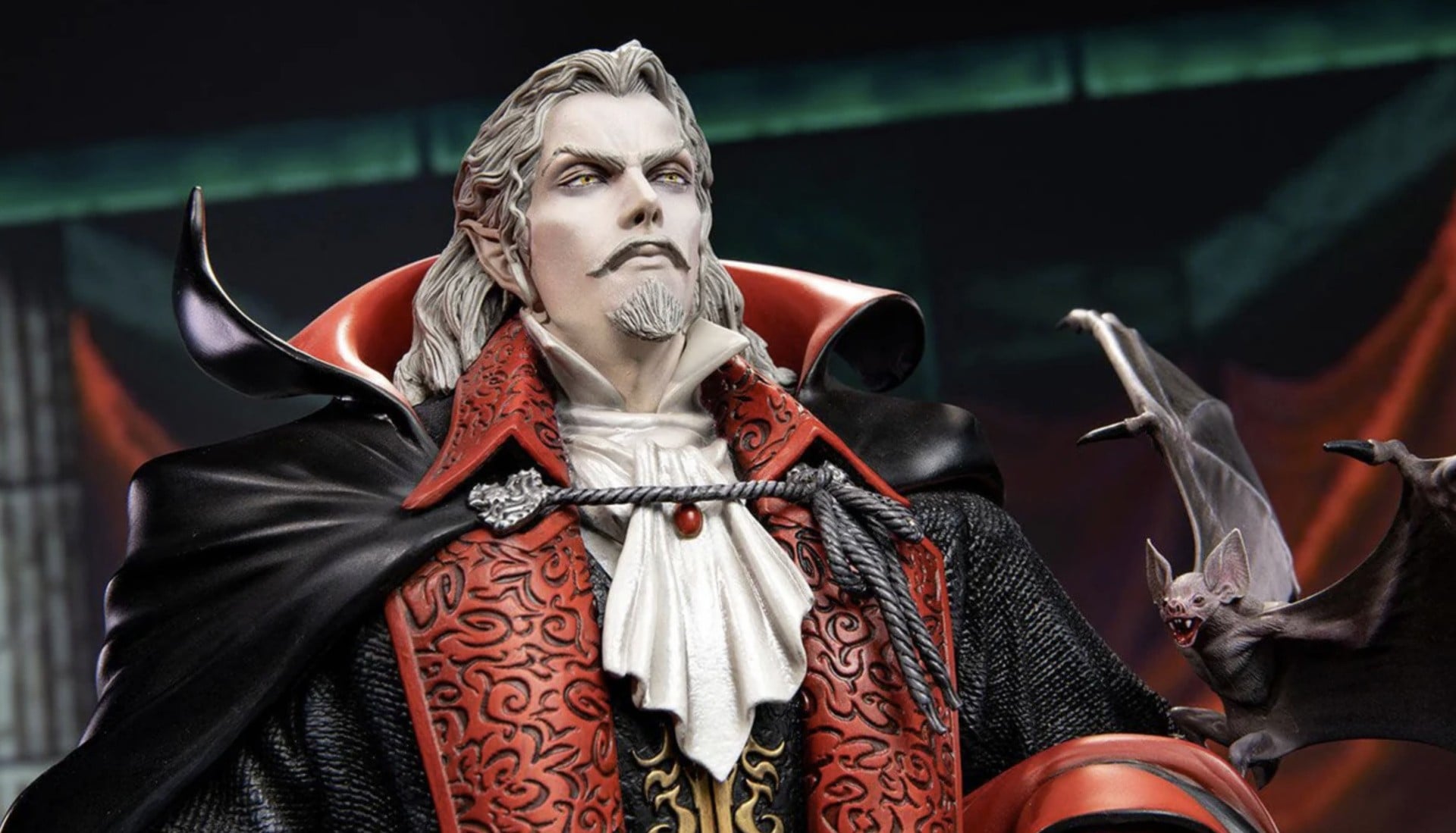
Originally released for the Sony PlayStation in 1997, the Metroidvania classic introduced many players to Alucard and Dracula, and its English-language script—particularly the line “What is a man?
A miserable little pile of secrets!”—has endured in gaming culture.
The title later resurfaced for modern audiences in various compilations and re-releases, and a 2007 PlayStation Portable package included a retranslated script of the original game.
In a recent interview with YouTuber Dongled, actor Michael Guinn—who performed Dracula’s English-language lines in the 1997 release—recounted how an unexpected line became an enduring piece of pop-culture dialogue.
Guinn described the situation as a surprising twist: after years working in music and other media, he said video games were the first international products that allowed his work to reach a much wider audience, and he found it gratifying that a phrase from that performance became so recognizable.
He also noted that younger generations, including students of his sister who teaches college-age classes, discover and embrace the game despite being born after the original release.
The interview also features Guinn reading portions of the retranslated PSP script from the 2007 release, a version that drew attention for its updated dialogue and localization choices.
Robert Belgrade, who provided the English voice for Alucard in the original PlayStation version, teamed with Guinn to create some of the most memorable exchanges in the game.
Symphony of the Night’s legacy extends beyond the original PlayStation disc: Konami’s catalog has been revisited over the years across multiple platforms and digital storefronts, and the franchise continues to be a frequent topic in community discussions, Nintendo Direct roundups, and eShop retro collections.
For developers and fans alike, the title is often cited as a milestone in design and localization that helped popularize narrative-driven action-adventure experiences.
As conversations around classic games and their translations continue, first-hand interviews like Guinn’s offer direct insight into how small performances can leave a lasting mark on players across generations.
The recording of his reading of the PSP retranslation remains a notable part of that ongoing story.
Originally released for the Sony PlayStation in 1997, the Metroidvania classic introduced many players to Alucard and Dracula, and its English-language script—particularly the line “What is a man?
A miserable little pile of secrets!”—has endured in gaming culture.
The title later resurfaced for modern audiences in various compilations and re-releases, and a 2007 PlayStation Portable package included a retranslated script of the original game.
In a recent interview with YouTuber Dongled, actor Michael Guinn—who performed Dracula’s English-language lines in the 1997 release—recounted how an unexpected line became an enduring piece of pop-culture dialogue.
Guinn described the situation as a surprising twist: after years working in music and other media, he said video games were the first international products that allowed his work to reach a much wider audience, and he found it gratifying that a phrase from that performance became so recognizable.
He also noted that younger generations, including students of his sister who teaches college-age classes, discover and embrace the game despite being born after the original release.
The interview also features Guinn reading portions of the retranslated PSP script from the 2007 release, a version that drew attention for its updated dialogue and localization choices.
Robert Belgrade, who provided the English voice for Alucard in the original PlayStation version, teamed with Guinn to create some of the most memorable exchanges in the game.
Symphony of the Night’s legacy extends beyond the original PlayStation disc: Konami’s catalog has been revisited over the years across multiple platforms and digital storefronts, and the franchise continues to be a frequent topic in community discussions, Nintendo Direct roundups, and eShop retro collections.
For developers and fans alike, the title is often cited as a milestone in design and localization that helped popularize narrative-driven action-adventure experiences.
As conversations around classic games and their translations continue, first-hand interviews like Guinn’s offer direct insight into how small performances can leave a lasting mark on players across generations.
The recording of his reading of the PSP retranslation remains a notable part of that ongoing story.