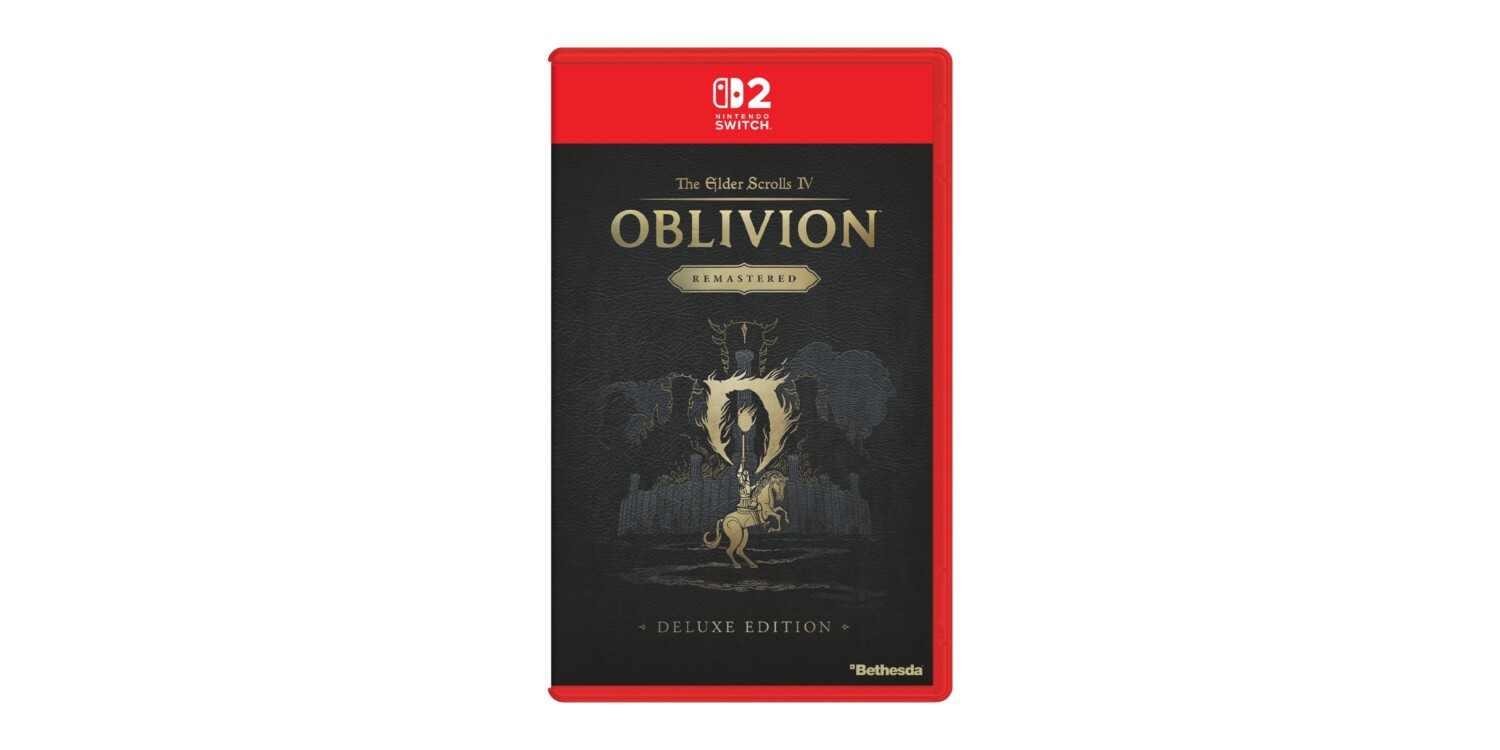
Bruce Nesmith, a name synonymous with role-playing game (RPG) excellence, stands as one of the most influential figures in the history of Bethesda Game Studios. With an extensive career that spans decades—and includes pivotal contributions to The Elder Scrolls series, Fallout, and the recent space epic Starfield—Nesmith’s journey offers a clear window into the evolution of modern RPGs. In this exclusive interview, he delves deep into early computer game development, the dramatic changes at Bethesda, and the enduring legacy of titles like Daggerfall, Oblivion, and Skyrim.
Nesmith’s gaming roots stretch back to high school, programming on a Hewlett-Packard 2000 before moving on to more advanced systems during his time at Beloit College. As he recalled, his homebrew games like “Mines of Moria” and an original dungeon RPG quickly gained popularity among peers and caught the attention of TSR, the publisher behind Dungeons & Dragons. This introduction led him to an initial programming role at TSR, before transitioning into game design and working on classic settings such as Ravenloft and Marvel Superheroes.
His transition to Bethesda in 1995 marked a new phase. Arriving on the heels of The Elder Scrolls: Arena, Nesmith was tasked with dungeon and quest design for The Elder Scrolls II: Daggerfall, later shaping the character system innovations that defined the series’ direction. “Most video games have a starter area that teaches the player how to play. Our goal in Daggerfall was to ensure players understood the fundamentals before letting them loose in the open world,” Nesmith explained, emphasizing the importance of carefully crafted onboarding for player immersion.
Nesmith also candidly discussed the difficulties that plagued Daggerfall’s development. He revealed that the team faced immense pressure due to poor scoping and scheduling, which resulted in an arduous final development cycle. “It was so complex and so big that no proper scheduling was ever applied to it... The final nine months were an absolutely miserable experience for everyone working on it,” he reflected. These hard lessons informed Bethesda’s later approach to game project management, particularly as the studio grew from a boutique operation to an industry leader.
After a stint away, Nesmith returned to Bethesda in 2004 at Todd Howard’s invitation, becoming a vital force behind The Elder Scrolls IV: Oblivion and serving as lead designer on Skyrim. He championed the idea that in order to create truly memorable worlds, the focus must be on variety and handcrafted experiences rather than relying solely on procedural generation. “The number of things that actually feel different, special, and unique in Skyrim is what gives it its sense of scale and scope. That often requires human effort. It can’t be generated,” Nesmith stated.
Nesmith’s career trajectory illustrates the broader trends shaping open-world RPGs: the shift from procedural repetition to curated world-building, the balancing act between technological ambition and project realities, and the need to manage player expectations in an era of blockbuster releases. He spoke candidly about the challenge facing anticipated titles such as The Elder Scrolls VI, noting, “Those companies are keenly aware of the expectations problem. You have to try and dial them back, or work hard to get close.”
Looking back, Nesmith recognizes that nostalgia often clouds perceptions of past games. Addressing comments regarding older titles like Morrowind or Daggerfall, he noted, “For the majority of people, my statements about how nostalgia is more powerful than actual critical thinking still hold true... To actually bring [Daggerfall] up to modern expectations—it’s just a tricky proposition.”
After departing Bethesda in 2021, Nesmith pursued writing, launching successful fantasy novel series. Yet his legacy in RPG design continues to influence both developers and fans worldwide. Through his insights, developers gain valuable lessons on innovation, project management, and the core of player engagement, ensuring the continued vitality of the genre.
Bruce Nesmith Reflects on Bethesda’s RPG Legacy: Insights into The Elder Scrolls, Daggerfall, and Game Development
Nintendo News Hub

Game Pages Mentioned In This Article
Use these Nintendo Switch game pages to keep exploring the titles connected to this story, including related genres, developers, screenshots, and more coverage.
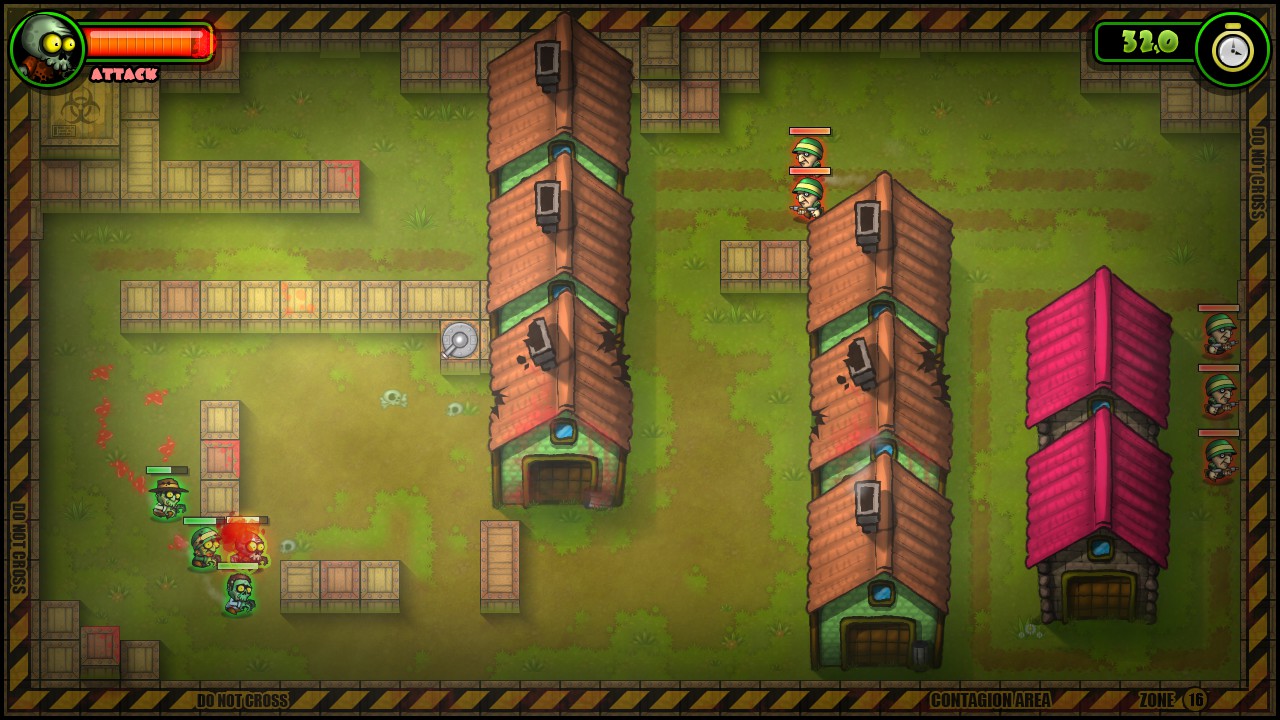
I, Zombie
Awesome Games Studio · Action · 2014
View game page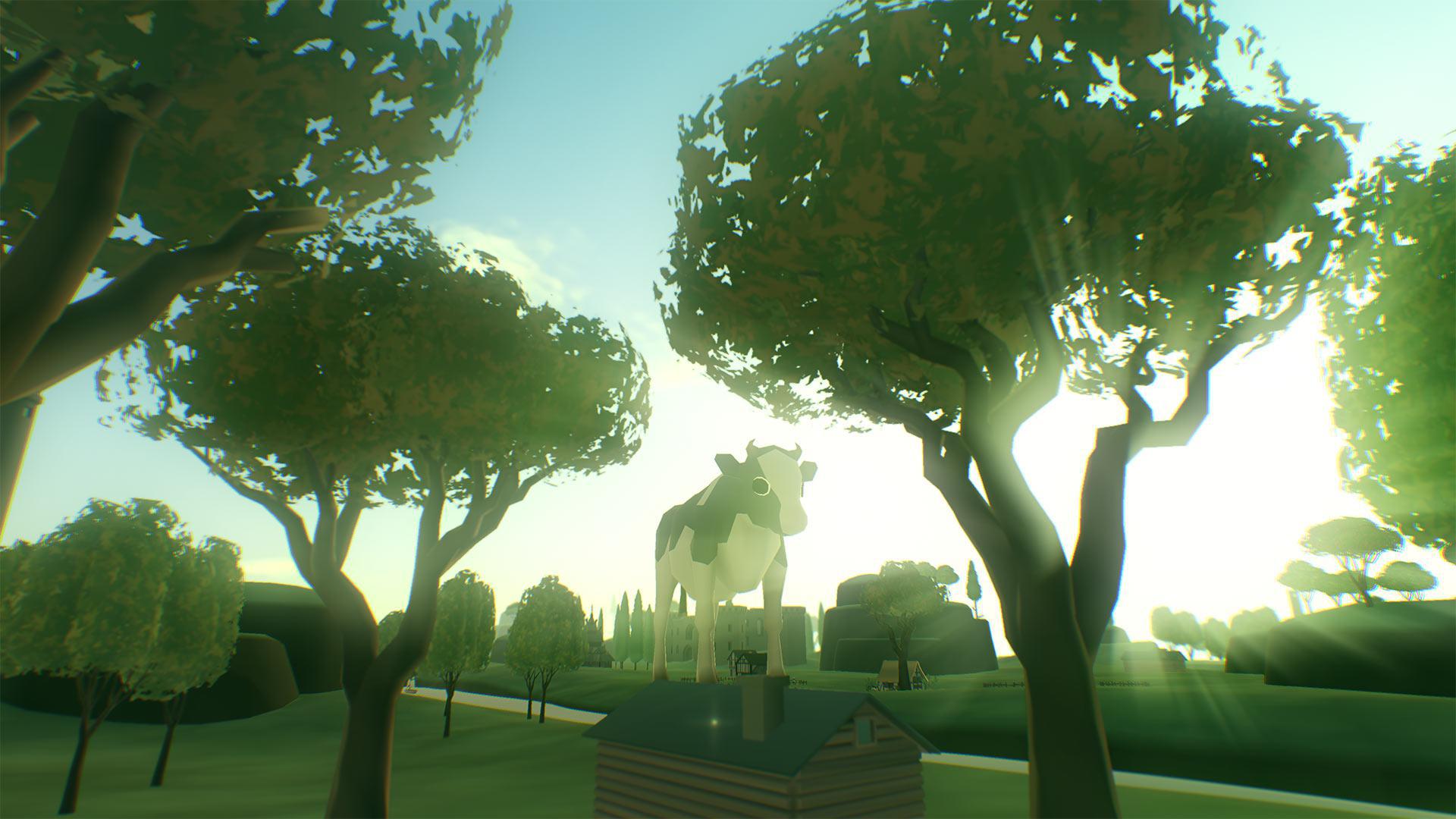
Everything
David O'Reilly · Indie · 2017
View game page
The Way
Puzzling Dream · Action · 2016
View game page
The Fall
Over The Moon · Action · 2014
View game page
Shipped
Majorariatto · Action · 2019
View game page
RISK
Ubisoft · Strategy · 2013
View game pageRelated Topics
Explore more articles about these topics:
Source: TimeExtension