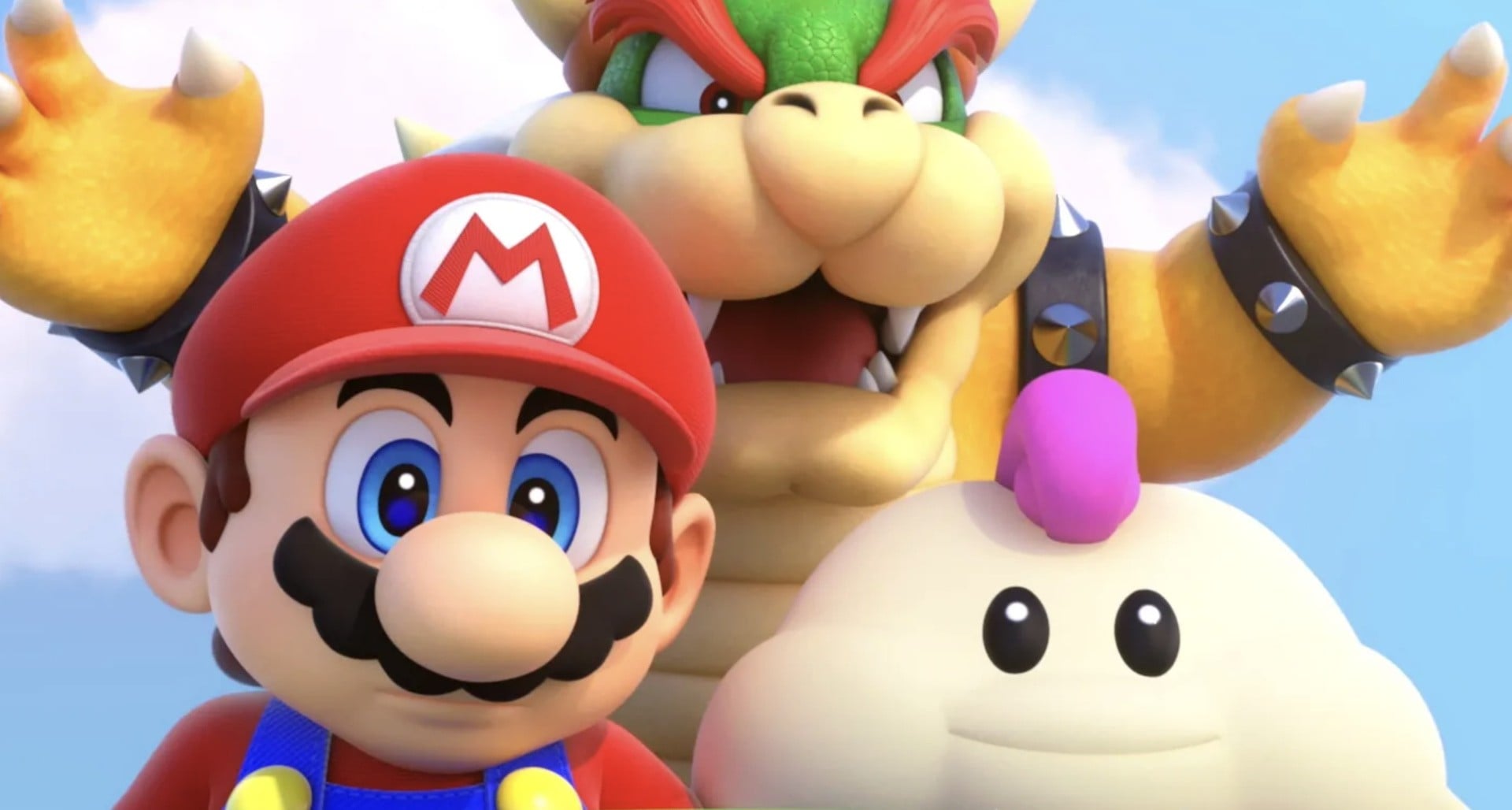
In the rapidly shifting landscape of AAA games, Nintendo Switch exclusives stand as a testament to the enduring power of platform-dedicated releases.
While titans like Microsoft and Sony have begun expanding their ecosystems—witnessing former standout exclusives such as Halo, Forza, and even God of War reaching rival platforms or PC—Nintendo holds fast to its time-honored tradition of reserving its most iconic titles for its own hardware.
As the gaming market leans further into cross-platform availability, Nintendo’s strategy continues to define the company’s brand and fuel its hardware sales, setting the Nintendo Switch apart in an era of increasing uniformity.
Industry veteran Shawn Layden, who previously led PlayStation, recently shared his perspective on the subject during an interview on the Pause for Thought podcast.
Layden provided an authoritative viewpoint, emphasizing the unique advantages that exclusives bring to both players and console makers.
According to Layden, exclusives give companies like Sony and Nintendo a "huge value to the brand," reinforcing the unique experiences only possible within their ecosystems.
He articulated that, while not every title necessitates exclusivity, such games form the backbone of a platform’s identity.
Echoing this point, he remarked that the idea of Mario launching on PlayStation would strike many as a seismic shift in the industry, underscoring just how intertwined iconic franchises are with their home hardware.
Layden also drew a critical distinction between multiplatform development and exclusive game design, noting, “When developing for multiple platforms, teams are frequently constrained and must optimize to the limitations of the broadest base.
However, with exclusives, developers can leverage the platform’s full suite of capabilities to deliver an uncompromised experience.” This focus, according to Layden, allows studios working on Nintendo Switch exclusives to "push every technical advantage available, maximizing the console’s potential."
Nintendo’s devotion to exclusives is evident in both commercial success and critical acclaim.
Flagship franchises like The Legend of Zelda and Super Mario remain unavailable outside the Nintendo ecosystem, helping the Switch achieve over 125 million lifetime sales as of 2023.
Games like Animal Crossing: New Horizons and Mario Kart 8 Deluxe—both eShop chart-toppers—underscore the market power of exclusive content.
Meanwhile, Nintendo’s disciplined stance contrasts sharply with Microsoft’s growing service-driven approach and Sony’s increasing presence on PC, marking the Nintendo Switch as a distinctive player amid evolving industry standards.
As discussions about exclusives continue, Layden’s insights reinforce the strategic importance of content developed specifically for a console.
For Nintendo, this unwavering commitment not only shapes the identity of the Switch but also solidifies the brand’s legacy in an ever-more interconnected gaming world.
While titans like Microsoft and Sony have begun expanding their ecosystems—witnessing former standout exclusives such as Halo, Forza, and even God of War reaching rival platforms or PC—Nintendo holds fast to its time-honored tradition of reserving its most iconic titles for its own hardware.
As the gaming market leans further into cross-platform availability, Nintendo’s strategy continues to define the company’s brand and fuel its hardware sales, setting the Nintendo Switch apart in an era of increasing uniformity.
Industry veteran Shawn Layden, who previously led PlayStation, recently shared his perspective on the subject during an interview on the Pause for Thought podcast.
Layden provided an authoritative viewpoint, emphasizing the unique advantages that exclusives bring to both players and console makers.
According to Layden, exclusives give companies like Sony and Nintendo a "huge value to the brand," reinforcing the unique experiences only possible within their ecosystems.
He articulated that, while not every title necessitates exclusivity, such games form the backbone of a platform’s identity.
Echoing this point, he remarked that the idea of Mario launching on PlayStation would strike many as a seismic shift in the industry, underscoring just how intertwined iconic franchises are with their home hardware.
Layden also drew a critical distinction between multiplatform development and exclusive game design, noting, “When developing for multiple platforms, teams are frequently constrained and must optimize to the limitations of the broadest base.
However, with exclusives, developers can leverage the platform’s full suite of capabilities to deliver an uncompromised experience.” This focus, according to Layden, allows studios working on Nintendo Switch exclusives to "push every technical advantage available, maximizing the console’s potential."
Nintendo’s devotion to exclusives is evident in both commercial success and critical acclaim.
Flagship franchises like The Legend of Zelda and Super Mario remain unavailable outside the Nintendo ecosystem, helping the Switch achieve over 125 million lifetime sales as of 2023.
Games like Animal Crossing: New Horizons and Mario Kart 8 Deluxe—both eShop chart-toppers—underscore the market power of exclusive content.
Meanwhile, Nintendo’s disciplined stance contrasts sharply with Microsoft’s growing service-driven approach and Sony’s increasing presence on PC, marking the Nintendo Switch as a distinctive player amid evolving industry standards.
As discussions about exclusives continue, Layden’s insights reinforce the strategic importance of content developed specifically for a console.
For Nintendo, this unwavering commitment not only shapes the identity of the Switch but also solidifies the brand’s legacy in an ever-more interconnected gaming world.


