




Zach Cregger, director of the upcoming Resident Evil reboot, has outlined how his film ties into the series’ Raccoon City era while carving its own path.
In a new video with IGN, Cregger—whose previous credits include the horror films Barbarian and Weapons—commented on the recently released teaser and walked viewers through several standout trailer moments.
The film is written by Cregger and Shay Hatten and stars Austin Abrams, Zach Cherry, Kali Reis, and Paul Walter Hauser.
Resident Evil is scheduled to open in theatres on September 18.
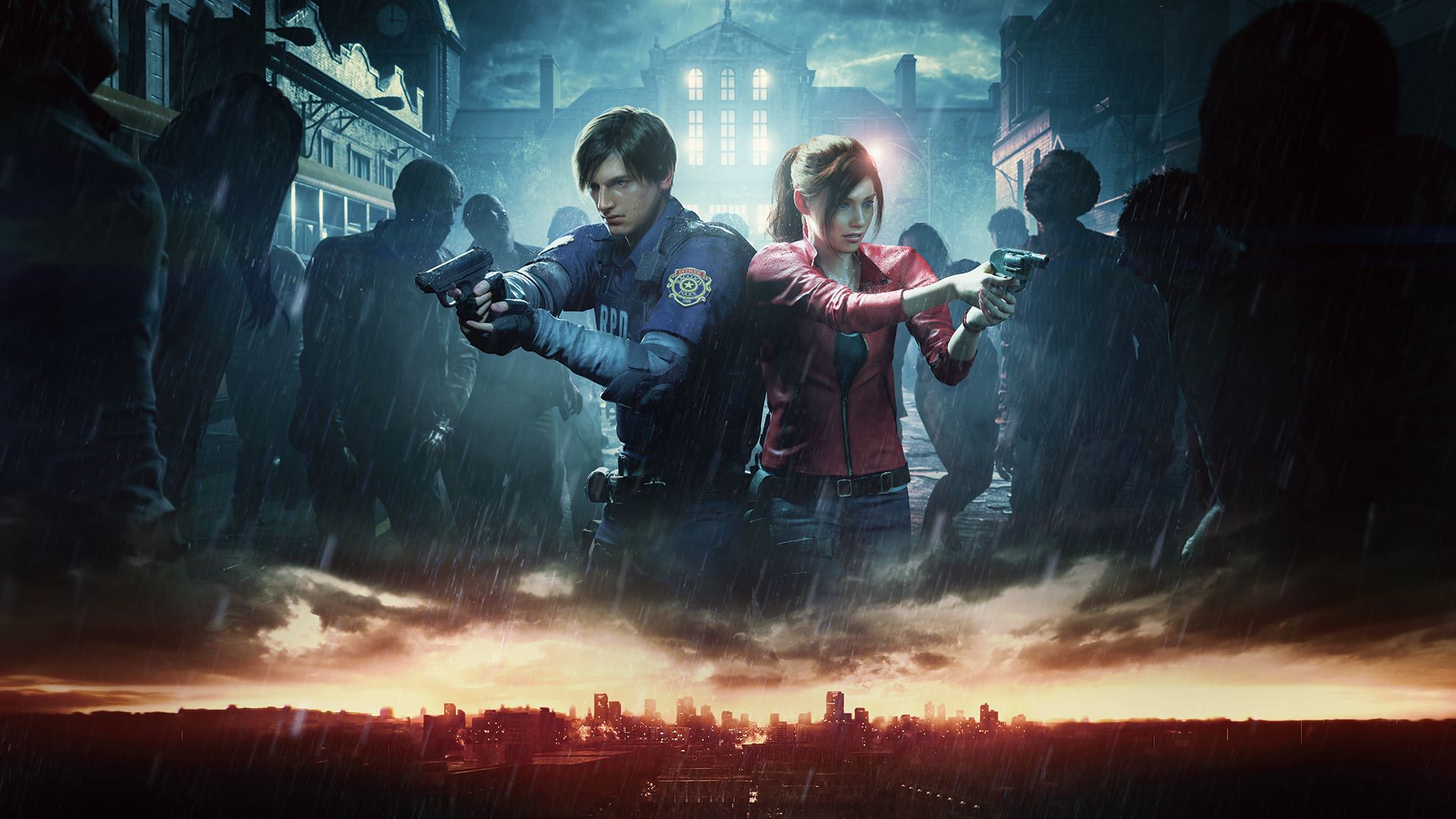
Set during the events of Resident Evil 2, Cregger confirmed the movie takes place in Raccoon City but centers on an entirely different protagonist and narrative thread rather than the franchise’s established canon figures.
He described the picture as a companion piece: the city’s chaos overlaps with the game timeline, but the film follows “another character on another mission across town,” rather than retelling the arcs of Leon Kennedy or Claire Redfield.
Cregger told IGN the story occupies “day one” of the outbreak and does not depict the city’s later destruction by a government missile.
He emphasized a focus on inventive creature design over traditional zombie setpieces: only about three scenes in the film feature classic zombies, with most threats being other viral‑altered entities.
That approach, he said, reflects an interest in exploring the T‑virus’ biological possibilities rather than limiting the movie to conventional undead tropes.
Among the trailer’s most talked‑about images is a sewer encounter with a massive, hairless man.
Cregger said the character owes a visual debt to Cormac McCarthy’s Blood Meridian—specifically the judge figure described in that novel—and serves as a deliberate, unsettling presence in an enclosed environment.
Another striking sequence shows humanoid limbs pushing through a doorway; Cregger explained this is how certain infected in his film interact and that the creature evolves over the course of the story.
The director also noted small nods to the video game lineage—favorite elements from Resident Evil 4 and the franchise’s emphasis on locked doors, key items, and progressive weapon upgrades are woven into the film’s structure.
Cregger even pointed out a hidden Green Herb in a trailer frame as an Easter egg for long‑time fans.
The IGN breakdown offers the clearest look yet at how the reboot balances respect for Capcom’s source material with the director’s own horror sensibilities.
With production talent linked to modern horror successes and a release date set, the Resident Evil reboot aims to join the franchise’s long history across consoles and platforms—an arc that includes enduring ties to Nintendo hardware and the wider gaming ecosystem.
Fans can expect to see how those game influences translate to a theatrical, creature‑driven take on Raccoon City when the film arrives on September 18.
In a new video with IGN, Cregger—whose previous credits include the horror films Barbarian and Weapons—commented on the recently released teaser and walked viewers through several standout trailer moments.
The film is written by Cregger and Shay Hatten and stars Austin Abrams, Zach Cherry, Kali Reis, and Paul Walter Hauser.
Resident Evil is scheduled to open in theatres on September 18.
Set during the events of Resident Evil 2, Cregger confirmed the movie takes place in Raccoon City but centers on an entirely different protagonist and narrative thread rather than the franchise’s established canon figures.
He described the picture as a companion piece: the city’s chaos overlaps with the game timeline, but the film follows “another character on another mission across town,” rather than retelling the arcs of Leon Kennedy or Claire Redfield.
Cregger told IGN the story occupies “day one” of the outbreak and does not depict the city’s later destruction by a government missile.
He emphasized a focus on inventive creature design over traditional zombie setpieces: only about three scenes in the film feature classic zombies, with most threats being other viral‑altered entities.
That approach, he said, reflects an interest in exploring the T‑virus’ biological possibilities rather than limiting the movie to conventional undead tropes.
Among the trailer’s most talked‑about images is a sewer encounter with a massive, hairless man.
Cregger said the character owes a visual debt to Cormac McCarthy’s Blood Meridian—specifically the judge figure described in that novel—and serves as a deliberate, unsettling presence in an enclosed environment.
Another striking sequence shows humanoid limbs pushing through a doorway; Cregger explained this is how certain infected in his film interact and that the creature evolves over the course of the story.
The director also noted small nods to the video game lineage—favorite elements from Resident Evil 4 and the franchise’s emphasis on locked doors, key items, and progressive weapon upgrades are woven into the film’s structure.
Cregger even pointed out a hidden Green Herb in a trailer frame as an Easter egg for long‑time fans.
The IGN breakdown offers the clearest look yet at how the reboot balances respect for Capcom’s source material with the director’s own horror sensibilities.
With production talent linked to modern horror successes and a release date set, the Resident Evil reboot aims to join the franchise’s long history across consoles and platforms—an arc that includes enduring ties to Nintendo hardware and the wider gaming ecosystem.
Fans can expect to see how those game influences translate to a theatrical, creature‑driven take on Raccoon City when the film arrives on September 18.