King of Fighters SNES Port Showcases Homebrew Innovation on Nintendo’s 16-Bit Classic
The legacy of SNK’s iconic fighting game franchise, The King of Fighters, continues to evolve, thanks to a passionate homebrew development community dedicated to keeping retro gaming alive.
While SNK’s celebrated three-on-three fighter captured the spirit of arcades in the 1990s, its official presence on Nintendo platforms was limited, with a Game Boy release being its only notable appearance during the era.
Ports of The King of Fighters series primarily landed on 32-bit platforms such as the Sega Saturn and Sony PlayStation, while SNK’s other legendary franchises—including Fatal Fury, Samurai Shodown, and Art of Fighting—found more widespread homes on 16-bit consoles like the Super Nintendo Entertainment System (SNES) and Sega Genesis.
By the time The King of Fighters gained momentum, the 16-bit generation was winding down, leaving fans to wonder what could have been if the series had debuted on Nintendo’s flagship home console.
Enter Rafael Daniel, an innovative homebrew coder determined to challenge the prevailing notion that the SNES lacks the hardware capacity for fast-paced, feature-rich fighting games without the help of specialized enhancement chips.
In a recent statement issued via social media, Daniel clarified his mission: He aims to definitively prove that a faithful port of The King of Fighters is possible within the SNES’s standard 64-megabit memory constraints.
"I am officially debunking the myth that the SNES lacks the processing power for fast and complex games without enhancement chips," Daniel stated.
He further explained that his current development effort is focused on discovering the hardware’s absolute limits before commencing full optimization.
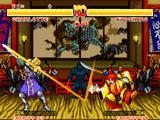
Daniel has already shared a video preview featuring prominent King of Fighters characters, Iori and Ryo, battling against a recognizable backdrop from King of Fighters ’96.
This early technical demo is designed to test the Super NES hardware’s capabilities, especially regarding graphical fidelity and animation fluidity, prior to the project’s core development.
The significance of this homebrew initiative lies not only in its technical ambition but also in its celebration of SNES legacy hardware.
As SNK’s Neo Geo fighters continue to captivate retro enthusiasts, the prospect of a fully realized King of Fighters port for Super Nintendo has sparked excitement among longtime fans.
Unlike past console conversions hampered by hardware limitations, Daniel’s approach seeks to maximize every ounce of the SNES’s processing power—demonstrating what’s possible when modern coding techniques meet classic gaming platforms.
As the Super Nintendo continues to enjoy a vibrant afterlife through homebrew projects and dedicated communities, Rafael Daniel’s King of Fighters SNES port stands out as a testament to innovation and nostalgia within the Nintendo ecosystem.
Fans and industry observers alike will be watching closely as this project unfolds, eager to witness how a beloved arcade fighter fares on Nintendo’s legendary 16-bit hardware.
The legacy of SNK’s iconic fighting game franchise, The King of Fighters, continues to evolve, thanks to a passionate homebrew development community dedicated to keeping retro gaming alive.
While SNK’s celebrated three-on-three fighter captured the spirit of arcades in the 1990s, its official presence on Nintendo platforms was limited, with a Game Boy release being its only notable appearance during the era.
Ports of The King of Fighters series primarily landed on 32-bit platforms such as the Sega Saturn and Sony PlayStation, while SNK’s other legendary franchises—including Fatal Fury, Samurai Shodown, and Art of Fighting—found more widespread homes on 16-bit consoles like the Super Nintendo Entertainment System (SNES) and Sega Genesis.
By the time The King of Fighters gained momentum, the 16-bit generation was winding down, leaving fans to wonder what could have been if the series had debuted on Nintendo’s flagship home console.
Enter Rafael Daniel, an innovative homebrew coder determined to challenge the prevailing notion that the SNES lacks the hardware capacity for fast-paced, feature-rich fighting games without the help of specialized enhancement chips.
In a recent statement issued via social media, Daniel clarified his mission: He aims to definitively prove that a faithful port of The King of Fighters is possible within the SNES’s standard 64-megabit memory constraints.
"I am officially debunking the myth that the SNES lacks the processing power for fast and complex games without enhancement chips," Daniel stated.
He further explained that his current development effort is focused on discovering the hardware’s absolute limits before commencing full optimization.
Daniel has already shared a video preview featuring prominent King of Fighters characters, Iori and Ryo, battling against a recognizable backdrop from King of Fighters ’96.
This early technical demo is designed to test the Super NES hardware’s capabilities, especially regarding graphical fidelity and animation fluidity, prior to the project’s core development.
The significance of this homebrew initiative lies not only in its technical ambition but also in its celebration of SNES legacy hardware.
As SNK’s Neo Geo fighters continue to captivate retro enthusiasts, the prospect of a fully realized King of Fighters port for Super Nintendo has sparked excitement among longtime fans.
Unlike past console conversions hampered by hardware limitations, Daniel’s approach seeks to maximize every ounce of the SNES’s processing power—demonstrating what’s possible when modern coding techniques meet classic gaming platforms.
As the Super Nintendo continues to enjoy a vibrant afterlife through homebrew projects and dedicated communities, Rafael Daniel’s King of Fighters SNES port stands out as a testament to innovation and nostalgia within the Nintendo ecosystem.
Fans and industry observers alike will be watching closely as this project unfolds, eager to witness how a beloved arcade fighter fares on Nintendo’s legendary 16-bit hardware.