
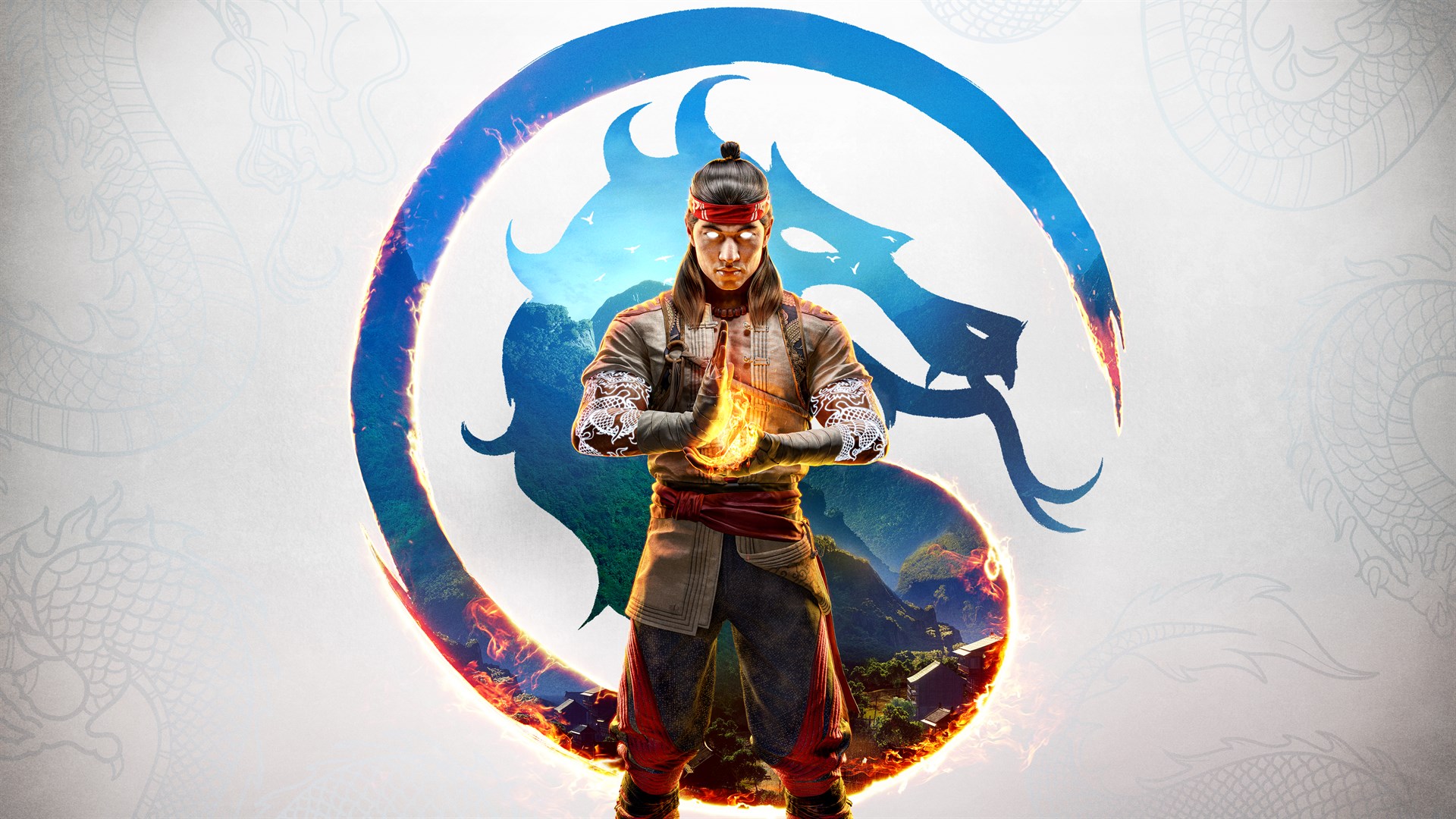

In the early 1990s, few arcade titles captured the zeitgeist quite like Mortal Kombat from Midway.
Famed for its digitized graphics and signature fatalities, Mortal Kombat’s arcade success quickly drove demand for home console adaptations.
Acclaim Entertainment, the New York-based publisher, would lead the way in bringing Mortal Kombat to the Super Nintendo Entertainment System (SNES), Game Boy, Sega’s Mega Drive/Genesis, Game Gear, Master System, MS-DOS, and the Commodore Amiga between 1993 and 1994.
Yet, an untold story within the industry is how a potential collaboration with Software Creations, a British studio, was derailed by an unfortunate confluence of project pressures and timing—costing the development team immense potential royalties.
Software Creations was riding high in the early ‘90s, recognized for their work on titles like "Spider-Man and the X-Men in Arcade's Revenge" for the SNES.
However, as documented in a feature in Retro Gamer magazine, co-founder Richard Kay revealed that mounting pressure from Acclaim during development led to strained relations.
As the Spiderman project struggled to meet deadlines—exacerbated by Kay’s vacation overseas—Acclaim's patience reached its breaking point.
Recalling the situation, Kay detailed how Acclaim’s executives demanded his immediate return to address the project’s problems.
Standing by his team but unwilling to cut his family trip short, Kay chose to remain abroad.
The following communication from Acclaim became a turning point: due to perceived lack of commitment, his studio lost the opportunity to undertake Mortal Kombat’s console ports—worth an estimated $40 million in combined royalties.
Paul Provenzano, producer for “Spider-Man and the X-Men in Arcade's Revenge,” added context to the critical period, describing late summer pressures as the deadline threatened to miss the lucrative Christmas release window.
He confirmed that company leadership was greatly concerned about Kay’s unavailability and, ultimately, those concerns led to the relocation of the Mortal Kombat project.
“Back in Oyster Bay, the news that Richard was MIA on holiday was a huge issue with my boss and the Chairman of Acclaim,” Provenzano stated, clarifying that his infamous faxed warnings were intended to underscore the seriousness of the situation to Kay personally.
Rob Leingang, producer for Mortal Kombat’s wide array of home versions, also weighed in, emphasizing that reliability and quality were paramount at a time when arcade-to-console conversions represented major technical and logistical challenges.
Leingang noted, “There was bias against developers who did not show an ability to deliver product on time and at a high quality level.
We worked directly with platforms like Nintendo and Sega to ensure every version met our standards.” The pivotal role ultimately went to Probe Software and Sculptured Software, both boasting established track records for successful conversions in a highly competitive era for game publishers.
Although Software Creations later developed Mortal Kombat 3 for the Nintendo Game Boy, the missed initial opportunity left a lasting impact.
The studio remains celebrated for its portfolio, which includes "Solstice," "Equinox," "Plok," and collaborations with Nintendo on titles such as "Ken Griffey Jr. Presents Major League Baseball," "Tinstar," and "Mario Artist: Paint Studio."
The saga serves as a noteworthy lesson in the high stakes and unpredictability of 1990s game development.
The story of Software Creations and Mortal Kombat's console journey underscores the importance of delivery, timing, and commitment in the rapidly evolving landscape of video game history.
Famed for its digitized graphics and signature fatalities, Mortal Kombat’s arcade success quickly drove demand for home console adaptations.
Acclaim Entertainment, the New York-based publisher, would lead the way in bringing Mortal Kombat to the Super Nintendo Entertainment System (SNES), Game Boy, Sega’s Mega Drive/Genesis, Game Gear, Master System, MS-DOS, and the Commodore Amiga between 1993 and 1994.
Yet, an untold story within the industry is how a potential collaboration with Software Creations, a British studio, was derailed by an unfortunate confluence of project pressures and timing—costing the development team immense potential royalties.
Software Creations was riding high in the early ‘90s, recognized for their work on titles like "Spider-Man and the X-Men in Arcade's Revenge" for the SNES.
However, as documented in a feature in Retro Gamer magazine, co-founder Richard Kay revealed that mounting pressure from Acclaim during development led to strained relations.
As the Spiderman project struggled to meet deadlines—exacerbated by Kay’s vacation overseas—Acclaim's patience reached its breaking point.
Recalling the situation, Kay detailed how Acclaim’s executives demanded his immediate return to address the project’s problems.
Standing by his team but unwilling to cut his family trip short, Kay chose to remain abroad.
The following communication from Acclaim became a turning point: due to perceived lack of commitment, his studio lost the opportunity to undertake Mortal Kombat’s console ports—worth an estimated $40 million in combined royalties.
Paul Provenzano, producer for “Spider-Man and the X-Men in Arcade's Revenge,” added context to the critical period, describing late summer pressures as the deadline threatened to miss the lucrative Christmas release window.
He confirmed that company leadership was greatly concerned about Kay’s unavailability and, ultimately, those concerns led to the relocation of the Mortal Kombat project.
“Back in Oyster Bay, the news that Richard was MIA on holiday was a huge issue with my boss and the Chairman of Acclaim,” Provenzano stated, clarifying that his infamous faxed warnings were intended to underscore the seriousness of the situation to Kay personally.
Rob Leingang, producer for Mortal Kombat’s wide array of home versions, also weighed in, emphasizing that reliability and quality were paramount at a time when arcade-to-console conversions represented major technical and logistical challenges.
Leingang noted, “There was bias against developers who did not show an ability to deliver product on time and at a high quality level.
We worked directly with platforms like Nintendo and Sega to ensure every version met our standards.” The pivotal role ultimately went to Probe Software and Sculptured Software, both boasting established track records for successful conversions in a highly competitive era for game publishers.
Although Software Creations later developed Mortal Kombat 3 for the Nintendo Game Boy, the missed initial opportunity left a lasting impact.
The studio remains celebrated for its portfolio, which includes "Solstice," "Equinox," "Plok," and collaborations with Nintendo on titles such as "Ken Griffey Jr. Presents Major League Baseball," "Tinstar," and "Mario Artist: Paint Studio."
The saga serves as a noteworthy lesson in the high stakes and unpredictability of 1990s game development.
The story of Software Creations and Mortal Kombat's console journey underscores the importance of delivery, timing, and commitment in the rapidly evolving landscape of video game history.


