In recent years, the world of homebrew game development has seen a remarkable increase in the number of classic titles ported to hardware platforms that never originally hosted them.
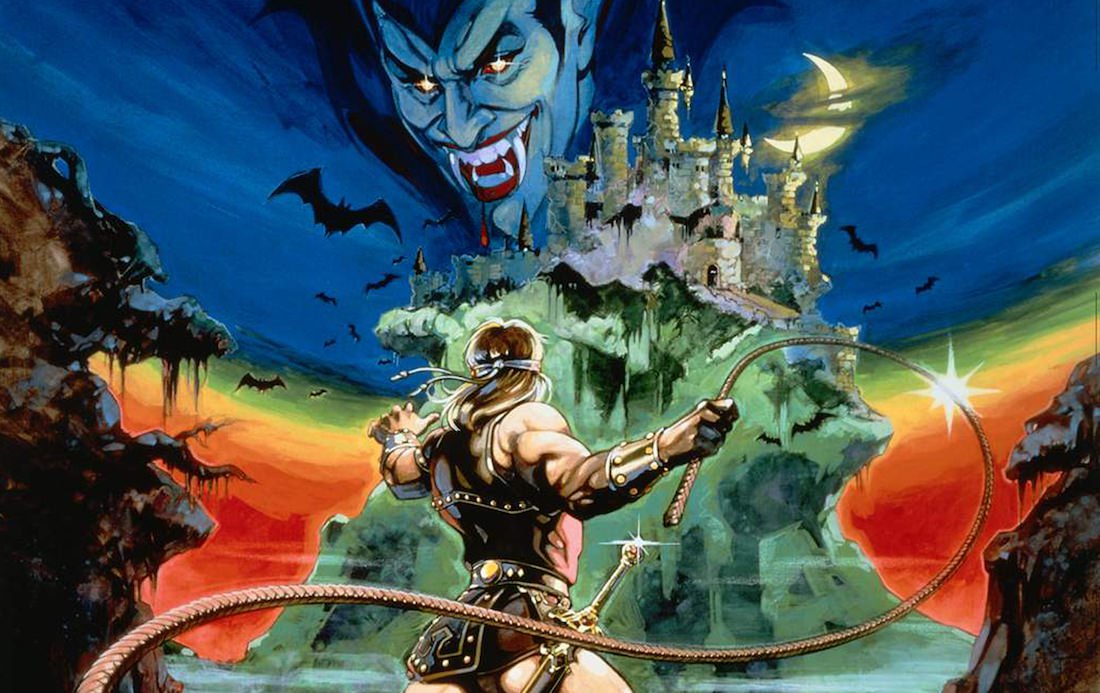
Iconic games like Metal Gear Solid, Castlevania: Symphony of the Night, and Grand Theft Auto III have captivated retro gaming enthusiasts by running on consoles such as the Sega Dreamcast and Super Nintendo Entertainment System (SNES).
While many of these projects represent technical showcases rather than commercial releases, the immense passion, ingenuity, and dedication of their developers are undeniable.
Among the leading figures in this movement are Falco Girgis, widely recognized for his expertise with the Dreamcast, and infidelity, a developer renowned for bringing NES classics to the SNES.
Both have taken to social media to address criticism around this growing trend—remarks that question the merit and purpose of porting established games to unfamiliar platforms.
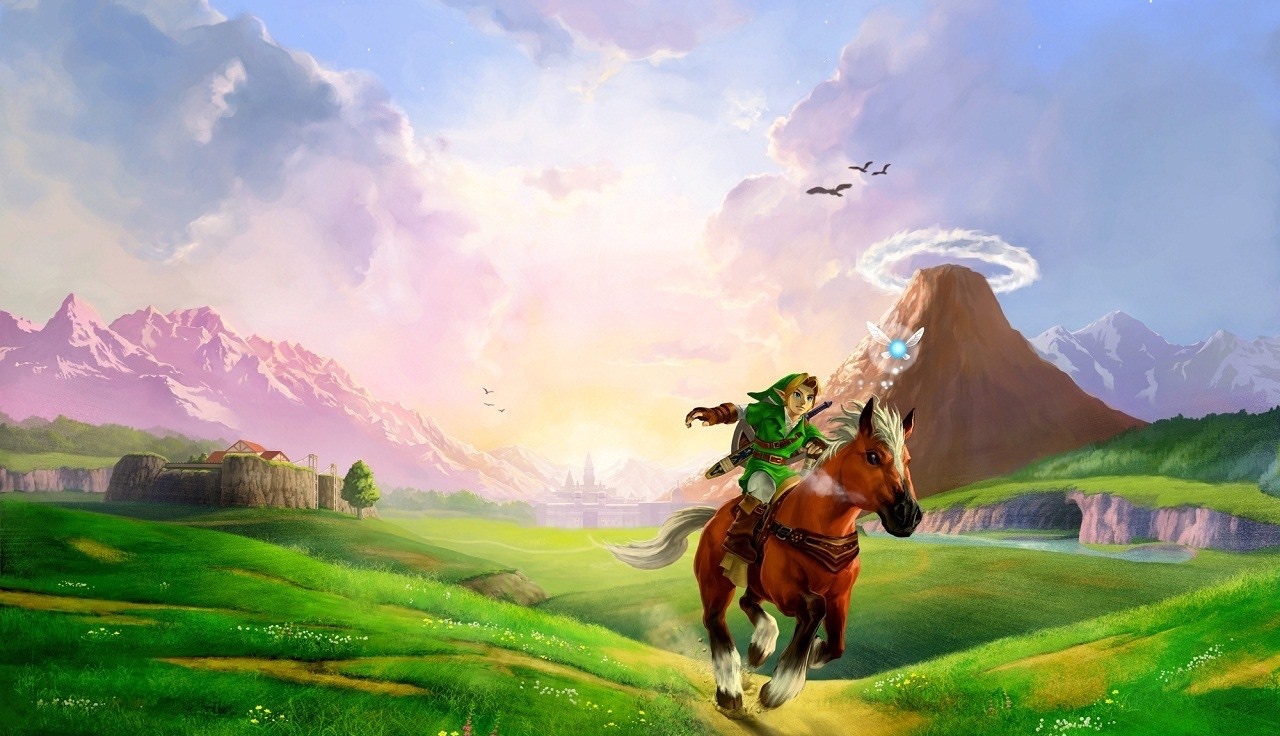
Falco Girgis responded to claims that his Dreamcast ports are a “pointless waste of time” and that "nobody will play them." He shared an image of his son engaging with The Legend of Zelda: Ocarina of Time on the Dreamcast for the first time, emphasizing how these ports create new avenues for players to discover classic games.
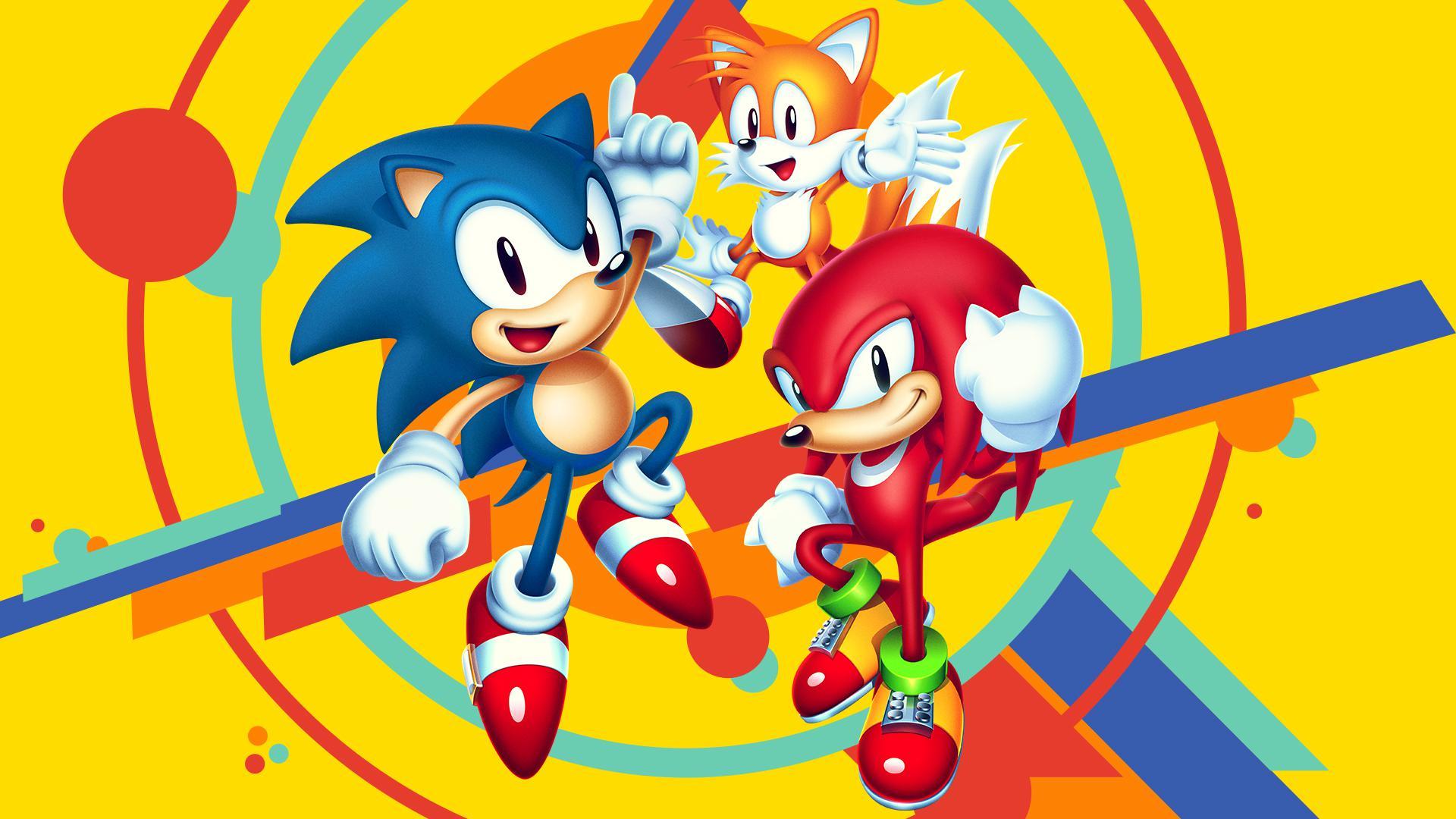
Girgis commented that his child has played titles such as Mario 64, Doom 64, Sonic Mania, Grand Theft Auto 3, and now Zelda: Ocarina of Time on the Dreamcast, enabling a new generation to experience timeless favorites on a beloved platform.
He went on to affirm, "Our thriving homebrew scene consists of people playing and supporting our work.
Personal validation comes from sharing these moments with my family—external validation is secondary."
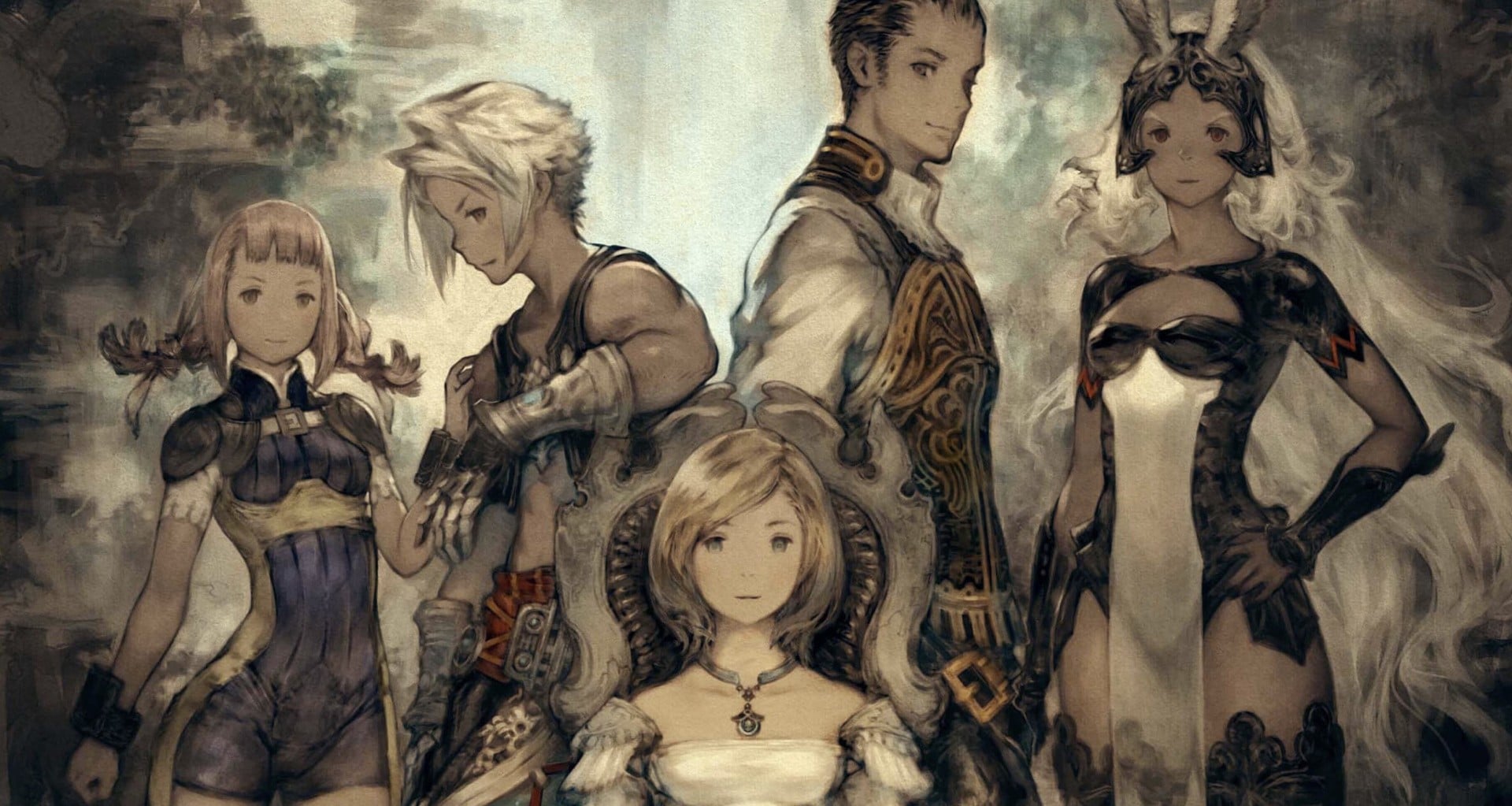
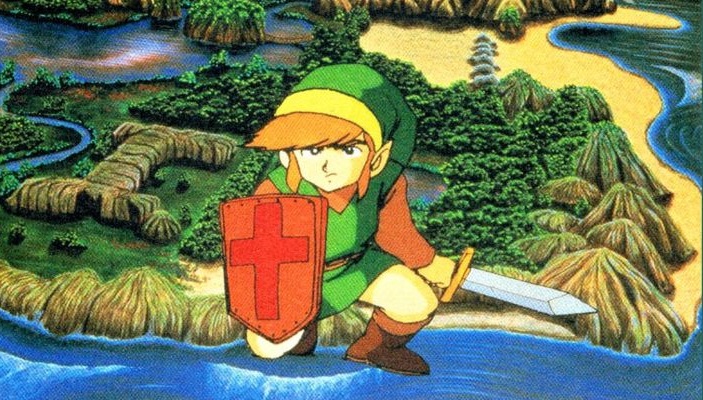
Girgis’s response was prompted in part by sharing footage of Esppiral’s attempt to run the PlayStation 2 version of Final Fantasy XII on the Dreamcast, an achievement that some on social media dismissed by labeling the homebrew scene a "creative abyss." Fellow developer infidelity, known for porting franchises like Mega Man and Castlevania from NES to SNES, also weighed in.
Reflecting on similar criticism he’s received over the past five years, infidelity stated, “Comments labeling these projects as pointless or underwhelming don't diminish the joy they bring.
I focus on what makes me and my family happy.
My kids prefer playing my SNES ports of NES classics over the original versions—it’s a meaningful legacy.”
This surge in homebrew development highlights not only technical prowess but also the personal value that developers and their families find in reimagining classic experiences.
It also speaks to the enduring appeal of hardware platform experimentation and preservation, elements cherished by retro gaming enthusiasts.
Sales figures and audience engagement often matter less to these creators than the fulfillment gained from breathing new life into the history of video games.
Whether on the original Nintendo hardware, ports to modern eShop releases for the Nintendo Switch, or as ambitious homebrew projects on the Dreamcast or SNES, these efforts keep gaming’s rich legacy alive.
As the homebrew scene continues to expand, it celebrates both the spirit of innovation and the desire to share the magic of classic games with new generations.
Iconic games like Metal Gear Solid, Castlevania: Symphony of the Night, and Grand Theft Auto III have captivated retro gaming enthusiasts by running on consoles such as the Sega Dreamcast and Super Nintendo Entertainment System (SNES).
While many of these projects represent technical showcases rather than commercial releases, the immense passion, ingenuity, and dedication of their developers are undeniable.
Among the leading figures in this movement are Falco Girgis, widely recognized for his expertise with the Dreamcast, and infidelity, a developer renowned for bringing NES classics to the SNES.
Both have taken to social media to address criticism around this growing trend—remarks that question the merit and purpose of porting established games to unfamiliar platforms.
Falco Girgis responded to claims that his Dreamcast ports are a “pointless waste of time” and that "nobody will play them." He shared an image of his son engaging with The Legend of Zelda: Ocarina of Time on the Dreamcast for the first time, emphasizing how these ports create new avenues for players to discover classic games.
Girgis commented that his child has played titles such as Mario 64, Doom 64, Sonic Mania, Grand Theft Auto 3, and now Zelda: Ocarina of Time on the Dreamcast, enabling a new generation to experience timeless favorites on a beloved platform.
He went on to affirm, "Our thriving homebrew scene consists of people playing and supporting our work.
Personal validation comes from sharing these moments with my family—external validation is secondary."
Girgis’s response was prompted in part by sharing footage of Esppiral’s attempt to run the PlayStation 2 version of Final Fantasy XII on the Dreamcast, an achievement that some on social media dismissed by labeling the homebrew scene a "creative abyss." Fellow developer infidelity, known for porting franchises like Mega Man and Castlevania from NES to SNES, also weighed in.
Reflecting on similar criticism he’s received over the past five years, infidelity stated, “Comments labeling these projects as pointless or underwhelming don't diminish the joy they bring.
I focus on what makes me and my family happy.
My kids prefer playing my SNES ports of NES classics over the original versions—it’s a meaningful legacy.”
This surge in homebrew development highlights not only technical prowess but also the personal value that developers and their families find in reimagining classic experiences.
It also speaks to the enduring appeal of hardware platform experimentation and preservation, elements cherished by retro gaming enthusiasts.
Sales figures and audience engagement often matter less to these creators than the fulfillment gained from breathing new life into the history of video games.
Whether on the original Nintendo hardware, ports to modern eShop releases for the Nintendo Switch, or as ambitious homebrew projects on the Dreamcast or SNES, these efforts keep gaming’s rich legacy alive.
As the homebrew scene continues to expand, it celebrates both the spirit of innovation and the desire to share the magic of classic games with new generations.