Moon Child Revival: Team Hoi’s Obscure Amiga Platformer Finds Viral Second Life in 2026
Background and platform history
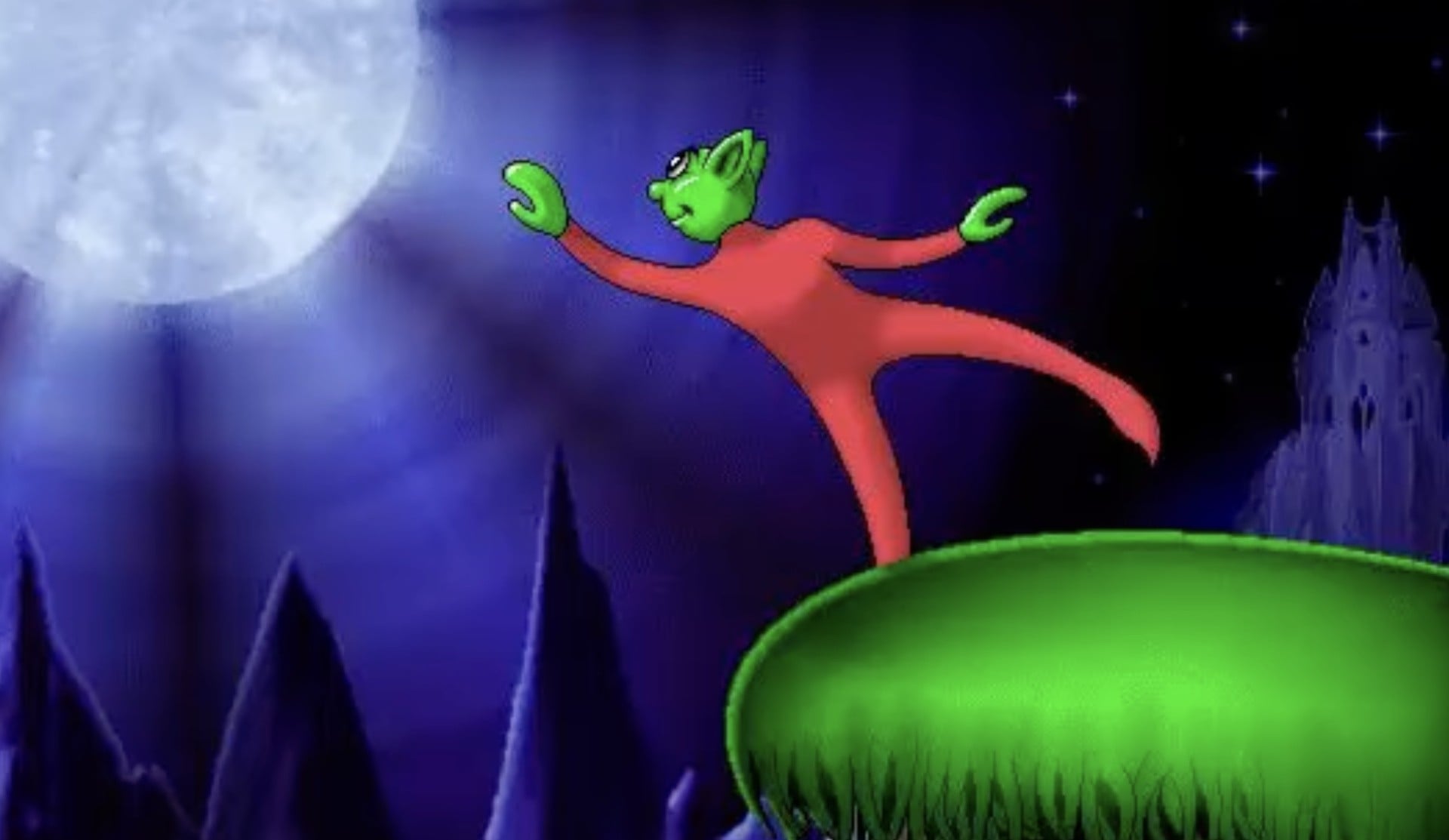
Moon Child is a 2D platformer developed by Dutch studio Team Hoi in the early 1990s.
The title was originally developed with the Commodore Amiga in mind but never saw a broad Amiga retail release; instead, it reached a very limited audience on PC years later.
In 2026 the game unexpectedly re-entered public attention after preservation sites and retro outlets revisited its development history and unreleased assets.
How the revival unfolded
Retro-focused outlet Games That Weren't recently researched Moon Child's development and published archival material, including an unused Amiga theme tune.
That coverage, and a longer summary piece by Aftermath documenting the resurgence, helped trigger new interest on social platforms.
Fan art and other community-created media began appearing across social feeds, prompting renewed discussion about Team Hoi’s catalogue and the game's unusual release path.
Developer response and asset release
One of Moon Child's original developers, Metin Seven, responded to the renewed attention by uploading source files and game assets to the Internet Archive.
The release provides historians and hobbyist developers with the original materials behind the game's art, music, and code, offering a rare look at an obscure commercial project from the Amiga era.
Rewritten developer remark
Metin Seven told Aftermath that he was overwhelmed by the community response, describing the reaction as joyful and surreal and saying that the renewed attention largely compensates for the series of misfortunes the team experienced during development in the 1990s.
Why this matters
Moon Child's comeback is a concrete example of how preservation efforts and dedicated reporting can change a game's legacy decades after its creation.
The event highlights the role of archives like the Internet Archive and specialist outlets such as Games That Weren't and Aftermath in bringing forgotten titles back into contemporary conversation.
For historians and retro gamers, the availability of original assets opens opportunities for study, preservation, and possible unofficial ports or fan projects driven by the community.
For now, Moon Child stands as a case study in retro rediscovery: a small early-'90s platformer intended for the Commodore Amiga that has found new life through modern preservation channels and passionate online communities.
Background and platform history
Moon Child is a 2D platformer developed by Dutch studio Team Hoi in the early 1990s.
The title was originally developed with the Commodore Amiga in mind but never saw a broad Amiga retail release; instead, it reached a very limited audience on PC years later.
In 2026 the game unexpectedly re-entered public attention after preservation sites and retro outlets revisited its development history and unreleased assets.
How the revival unfolded
Retro-focused outlet Games That Weren't recently researched Moon Child's development and published archival material, including an unused Amiga theme tune.
That coverage, and a longer summary piece by Aftermath documenting the resurgence, helped trigger new interest on social platforms.
Fan art and other community-created media began appearing across social feeds, prompting renewed discussion about Team Hoi’s catalogue and the game's unusual release path.
Developer response and asset release
One of Moon Child's original developers, Metin Seven, responded to the renewed attention by uploading source files and game assets to the Internet Archive.
The release provides historians and hobbyist developers with the original materials behind the game's art, music, and code, offering a rare look at an obscure commercial project from the Amiga era.
Rewritten developer remark
Metin Seven told Aftermath that he was overwhelmed by the community response, describing the reaction as joyful and surreal and saying that the renewed attention largely compensates for the series of misfortunes the team experienced during development in the 1990s.
Why this matters
Moon Child's comeback is a concrete example of how preservation efforts and dedicated reporting can change a game's legacy decades after its creation.
The event highlights the role of archives like the Internet Archive and specialist outlets such as Games That Weren't and Aftermath in bringing forgotten titles back into contemporary conversation.
For historians and retro gamers, the availability of original assets opens opportunities for study, preservation, and possible unofficial ports or fan projects driven by the community.
For now, Moon Child stands as a case study in retro rediscovery: a small early-'90s platformer intended for the Commodore Amiga that has found new life through modern preservation channels and passionate online communities.