When Tomb Raider debuted on the PlayStation and Sega Saturn in 1996, it quickly became a global gaming phenomenon.
Developed by Core Design, Tomb Raider introduced players to Lara Croft, an adventurous archaeologist whose character would become an enduring icon in video game history.
As the series prepared for its Japanese launch, publisher Victor Interactive Software suggested significant changes to Lara Croft’s in-game appearance to better align with local market preferences—a challenge often faced by Western games localizing for overseas audiences.
In a recent interview recounted by NixieTube, former Core Design developer Paul Douglas explained the cultural considerations that came into play during Tomb Raider’s Japanese localization.
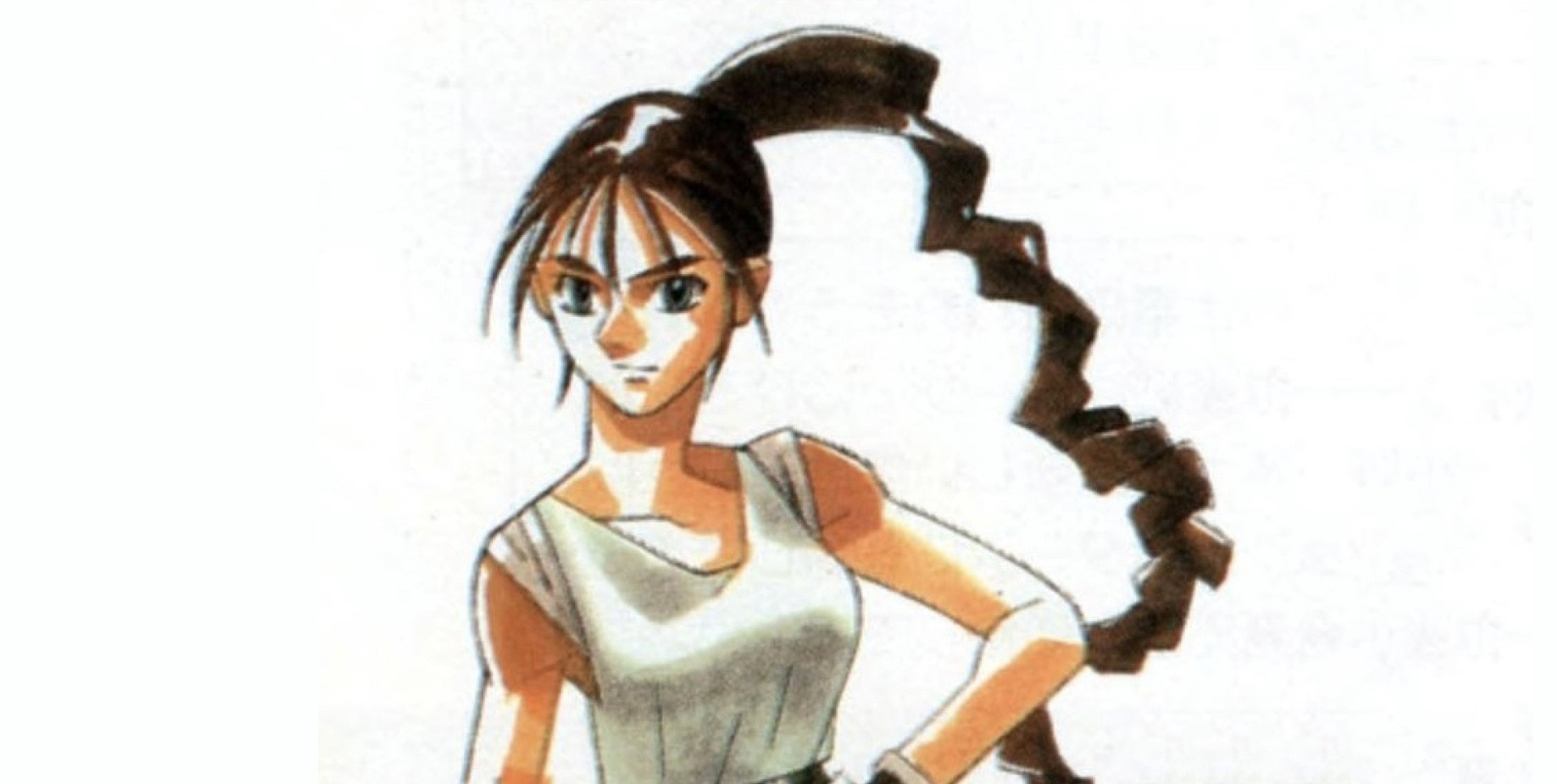
He noted that Victor Interactive Software encouraged the team to modify Lara Croft with larger eyes and an exaggerated head—features commonly associated with anime character styles.
"The publisher in Japan wanted us to adjust Lara’s in-game design to be more appealing to Japanese players.
They sent us example concepts late in the development process.
However, lead designer Toby Gard was strongly against altering Lara’s established look," Douglas recalled.
Toby Gard, the creative force behind Lara Croft, remained steadfast in his commitment to the character’s original design.
Rather than compromising the game’s visuals, the Core Design team reached an agreement in which only the game's manuals and guides would feature the anime-inspired depiction of Lara Croft.
"Ultimately, the only changes made were in the printed materials that accompanied the Japanese release, not the game itself," Douglas clarified.
NixieTube highlights that this redesigned 'anime Lara' can indeed be seen in the Japanese Tomb Raider manual, serving as a rare footnote in the series' history.
This decision preserved Lara Croft’s unique visual identity for PS1 and Saturn players worldwide, contributing to her lasting legacy and broad recognition across gaming cultures.
Tomb Raider’s success on PlayStation and Saturn paved the way for a long-running franchise, consistently recognized for its innovative gameplay and pioneering lead character.
Core Design’s decision to maintain Lara Croft’s original design ultimately reinforced her brand consistency, making her an influential figure in video games and popular culture.
Developed by Core Design, Tomb Raider introduced players to Lara Croft, an adventurous archaeologist whose character would become an enduring icon in video game history.
As the series prepared for its Japanese launch, publisher Victor Interactive Software suggested significant changes to Lara Croft’s in-game appearance to better align with local market preferences—a challenge often faced by Western games localizing for overseas audiences.
In a recent interview recounted by NixieTube, former Core Design developer Paul Douglas explained the cultural considerations that came into play during Tomb Raider’s Japanese localization.
He noted that Victor Interactive Software encouraged the team to modify Lara Croft with larger eyes and an exaggerated head—features commonly associated with anime character styles.
"The publisher in Japan wanted us to adjust Lara’s in-game design to be more appealing to Japanese players.
They sent us example concepts late in the development process.
However, lead designer Toby Gard was strongly against altering Lara’s established look," Douglas recalled.
Toby Gard, the creative force behind Lara Croft, remained steadfast in his commitment to the character’s original design.
Rather than compromising the game’s visuals, the Core Design team reached an agreement in which only the game's manuals and guides would feature the anime-inspired depiction of Lara Croft.
"Ultimately, the only changes made were in the printed materials that accompanied the Japanese release, not the game itself," Douglas clarified.
NixieTube highlights that this redesigned 'anime Lara' can indeed be seen in the Japanese Tomb Raider manual, serving as a rare footnote in the series' history.
This decision preserved Lara Croft’s unique visual identity for PS1 and Saturn players worldwide, contributing to her lasting legacy and broad recognition across gaming cultures.
Tomb Raider’s success on PlayStation and Saturn paved the way for a long-running franchise, consistently recognized for its innovative gameplay and pioneering lead character.
Core Design’s decision to maintain Lara Croft’s original design ultimately reinforced her brand consistency, making her an influential figure in video games and popular culture.