During the 1990s, the Western release of Japanese video games was often unpredictable, leaving many fans to wonder why some beloved titles never left Japan.
Two such games, Chocobo's Mysterious Dungeon and Tobal 2, both developed by Square Enix (formerly Square), have become notable examples.
Recent insights from localiser Richard Honeywood, who worked at Square Enix during this period, shed light on the exact challenges that led to these games being withheld from the international market.
Chocobo's Mysterious Dungeon was the first project assigned to Honeywood after joining Square.
Intended for the original PlayStation, and launched in Japan in 1997, the game was a Final Fantasy spin-off centered on the popular Chocobo character.
As Honeywood recounts, his localisation efforts were stymied not by a lack of demand but by significant technical obstacles.
"The localisation team was provided with what was believed to be the final source code," said Honeywood.
"However, the code was incomplete and could not be compiled.
Many sections were missing, with key team members already having moved on, and the computers holding critical data repurposed and reformatted.
As a result, we had to inform the executives that localisation was impossible due to the loss of essential resources."
This experience revealed a fundamental flaw in the company's process.
With the development teams already disbanded and no formal resource management in place, Honeywood identified the impracticality of being isolated from main development.
He and the localisation team then proposed and implemented a new workflow: after a project was completed, developers would take a brief break while localisation proceeded, ensuring better support and eventual integration of translated material.
Although Chocobo's Mysterious Dungeon never saw a Western release, its sequel, Chocobo Dungeon 2, was successfully localised for North America in 1999.
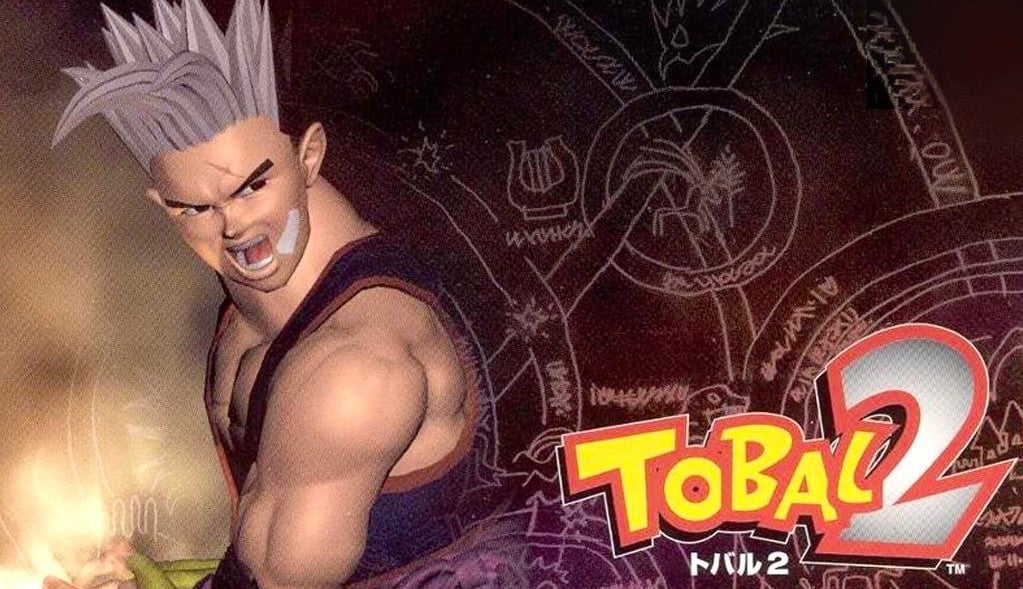
Another title—Tobal 2, a fighting game and sequel to the globally released Tobal No. 1—faced its own unique barriers.
Honeywood explains that the development team cited a technical limitation, stating, "They believed it was impossible to fit English text into the game's speech bubbles due to PlayStation's memory constraints and the sheer volume of text." He adds that, at the time, many Square development teams considered localization a low priority, seeing overseas sales as insignificant compared to domestic figures.
This attitude shifted dramatically after Final Fantasy VII became a commercial juggernaut in North America and Europe, convincing the company of the vital importance and profitability of localisation.
In the ensuing years, dedicated fan communities stepped in to fill the void.
Tobal 2 received a fan translation from Infinite Lupine Translations in 2002, with ongoing updates released by r4dius and VincentNL in 2020 and 2025, respectively.
Chocobo's Mysterious Dungeon was also translated by fans, specifically by Specialagentape and Higsby, with the patch released in 2020.
These stories underscore how localisation challenges—ranging from technical barriers to company mindset—shaped the release history of classic Japanese games on platforms like the PlayStation.
Thanks to evolving industry practices and the persistence of fan translators, today’s global gaming community can access once-unattainable adventures from the golden era of Square Enix’s development.
Two such games, Chocobo's Mysterious Dungeon and Tobal 2, both developed by Square Enix (formerly Square), have become notable examples.
Recent insights from localiser Richard Honeywood, who worked at Square Enix during this period, shed light on the exact challenges that led to these games being withheld from the international market.
Chocobo's Mysterious Dungeon was the first project assigned to Honeywood after joining Square.
Intended for the original PlayStation, and launched in Japan in 1997, the game was a Final Fantasy spin-off centered on the popular Chocobo character.
As Honeywood recounts, his localisation efforts were stymied not by a lack of demand but by significant technical obstacles.
"The localisation team was provided with what was believed to be the final source code," said Honeywood.
"However, the code was incomplete and could not be compiled.
Many sections were missing, with key team members already having moved on, and the computers holding critical data repurposed and reformatted.
As a result, we had to inform the executives that localisation was impossible due to the loss of essential resources."
This experience revealed a fundamental flaw in the company's process.
With the development teams already disbanded and no formal resource management in place, Honeywood identified the impracticality of being isolated from main development.
He and the localisation team then proposed and implemented a new workflow: after a project was completed, developers would take a brief break while localisation proceeded, ensuring better support and eventual integration of translated material.
Although Chocobo's Mysterious Dungeon never saw a Western release, its sequel, Chocobo Dungeon 2, was successfully localised for North America in 1999.
Another title—Tobal 2, a fighting game and sequel to the globally released Tobal No. 1—faced its own unique barriers.
Honeywood explains that the development team cited a technical limitation, stating, "They believed it was impossible to fit English text into the game's speech bubbles due to PlayStation's memory constraints and the sheer volume of text." He adds that, at the time, many Square development teams considered localization a low priority, seeing overseas sales as insignificant compared to domestic figures.
This attitude shifted dramatically after Final Fantasy VII became a commercial juggernaut in North America and Europe, convincing the company of the vital importance and profitability of localisation.
In the ensuing years, dedicated fan communities stepped in to fill the void.
Tobal 2 received a fan translation from Infinite Lupine Translations in 2002, with ongoing updates released by r4dius and VincentNL in 2020 and 2025, respectively.
Chocobo's Mysterious Dungeon was also translated by fans, specifically by Specialagentape and Higsby, with the patch released in 2020.
These stories underscore how localisation challenges—ranging from technical barriers to company mindset—shaped the release history of classic Japanese games on platforms like the PlayStation.
Thanks to evolving industry practices and the persistence of fan translators, today’s global gaming community can access once-unattainable adventures from the golden era of Square Enix’s development.
