In the late 1990s, Western gamers often found themselves enamored with Japanese titles, only to discover that sequels or spin-offs they'd read about in magazines were never destined to leave Japan.
This selective localization trend was especially prominent with iconic developers like Square Enix, formerly known as Square, whose PlayStation-era library included celebrated franchises such as Final Fantasy.
However, it wasn't merely financial hurdles that prevented key games from reaching the West—sometimes the reasons were surprisingly pragmatic.
Richard Honeywood, a respected former localizer at Square Enix, recently shared remarkable insights into the challenges faced during the localization of two notable games: Chocobo's Mysterious Dungeon and Tobal 2.
Honeywood revealed that his first assignment after joining Square was to localize Chocobo's Mysterious Dungeon, a Final Fantasy spin-off released on the PlayStation in 1997.
Despite receiving the source code for his localization work, Honeywood quickly discovered that the code was incomplete and essential components were missing.
"When I asked about missing sections, I was informed that the developer responsible had already left the company, and his computer had been repurposed, erasing all relevant files," Honeywood explained.
This lack of resource management ultimately meant that half the source code was gone, forcing Honeywood to inform Square's executives that a Western release was impossible under those circumstances.
The challenges faced during the localization of Chocobo's Mysterious Dungeon led to a significant shift in Square's approach.
Honeywood and the localization department implemented a new workflow where, after a project was completed, developers would take a month-long break while the localization team worked on translations.
Once developers returned, they would integrate the localized content into the game.
Notably, while Chocobo's Mysterious Dungeon never officially made it outside of Japan, its sequel, Chocobo Dungeon 2, was successfully localized for North America in 1999, benefitting from improved collaboration and process.
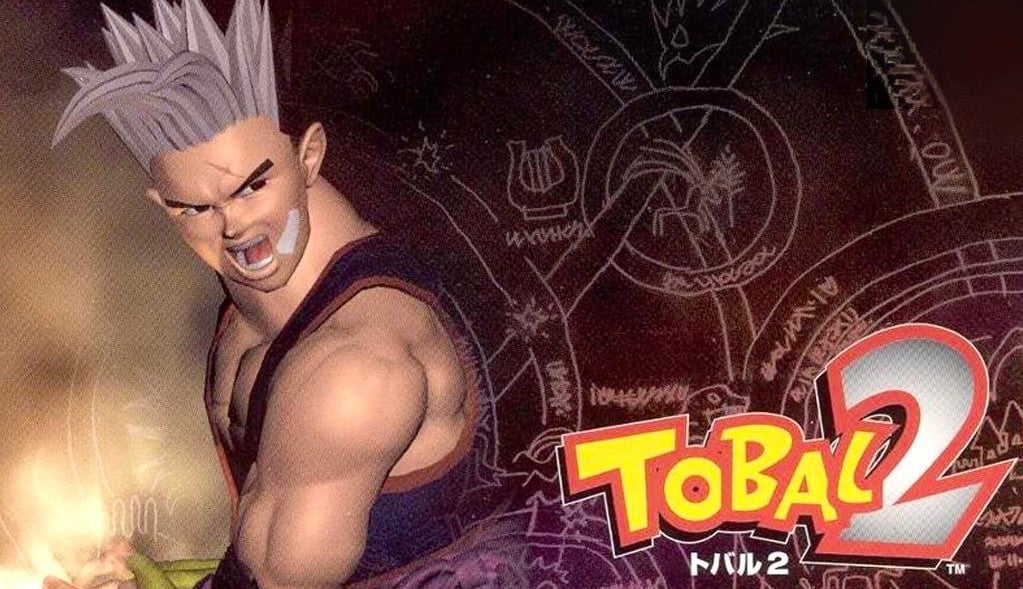
A similar story unfolded with Tobal 2, the anticipated sequel to the PlayStation fighting game Tobal No. 1, which had been released in both Europe and North America.
Despite fans' interest, Tobal 2 never saw an official English release.
Honeywood recounted, "The development team told me it was impossible to insert English text into the speech bubbles due to PlayStation memory limitations and the volume of text." However, Honeywood also described an underlying reluctance, noting that many development teams at Square considered foreign versions a lower priority, focusing instead on Japanese releases, which they anticipated would achieve higher sales.
The global success of Final Fantasy VII in 1997 fundamentally changed Square's attitude towards Western localization.
When Final Fantasy VII sold remarkably well in North America and Europe—shipping over 10 million units worldwide—the company broadened its localization resources and recruitment, signaling a new era for Japanese games reaching international markets.
Although Chocobo's Mysterious Dungeon and Tobal 2 never received official Western releases, dedicated fan communities filled the gap.
Tobal 2 was given a fan translation in 2002 by Infinite Lupine Translations, with further updates released in 2020 and 2025 by r4dius and VincentNL.
Meanwhile, Chocobo's Mysterious Dungeon saw its own unofficial English translation released in 2020, thanks to Specialagentape and Higsby.
These accounts from Richard Honeywood shed new light on the complex, often unpredictable landscape of game localization during a pivotal era for Square Enix, PlayStation, and the broader gaming industry.
Today, the lessons learned continue to inform best practices for bringing beloved titles to players worldwide through platforms such as the Nintendo eShop, ensuring that classic and new releases alike are more accessible than ever.
This selective localization trend was especially prominent with iconic developers like Square Enix, formerly known as Square, whose PlayStation-era library included celebrated franchises such as Final Fantasy.
However, it wasn't merely financial hurdles that prevented key games from reaching the West—sometimes the reasons were surprisingly pragmatic.
Richard Honeywood, a respected former localizer at Square Enix, recently shared remarkable insights into the challenges faced during the localization of two notable games: Chocobo's Mysterious Dungeon and Tobal 2.
Honeywood revealed that his first assignment after joining Square was to localize Chocobo's Mysterious Dungeon, a Final Fantasy spin-off released on the PlayStation in 1997.
Despite receiving the source code for his localization work, Honeywood quickly discovered that the code was incomplete and essential components were missing.
"When I asked about missing sections, I was informed that the developer responsible had already left the company, and his computer had been repurposed, erasing all relevant files," Honeywood explained.
This lack of resource management ultimately meant that half the source code was gone, forcing Honeywood to inform Square's executives that a Western release was impossible under those circumstances.
The challenges faced during the localization of Chocobo's Mysterious Dungeon led to a significant shift in Square's approach.
Honeywood and the localization department implemented a new workflow where, after a project was completed, developers would take a month-long break while the localization team worked on translations.
Once developers returned, they would integrate the localized content into the game.
Notably, while Chocobo's Mysterious Dungeon never officially made it outside of Japan, its sequel, Chocobo Dungeon 2, was successfully localized for North America in 1999, benefitting from improved collaboration and process.
A similar story unfolded with Tobal 2, the anticipated sequel to the PlayStation fighting game Tobal No. 1, which had been released in both Europe and North America.
Despite fans' interest, Tobal 2 never saw an official English release.
Honeywood recounted, "The development team told me it was impossible to insert English text into the speech bubbles due to PlayStation memory limitations and the volume of text." However, Honeywood also described an underlying reluctance, noting that many development teams at Square considered foreign versions a lower priority, focusing instead on Japanese releases, which they anticipated would achieve higher sales.
The global success of Final Fantasy VII in 1997 fundamentally changed Square's attitude towards Western localization.
When Final Fantasy VII sold remarkably well in North America and Europe—shipping over 10 million units worldwide—the company broadened its localization resources and recruitment, signaling a new era for Japanese games reaching international markets.
Although Chocobo's Mysterious Dungeon and Tobal 2 never received official Western releases, dedicated fan communities filled the gap.
Tobal 2 was given a fan translation in 2002 by Infinite Lupine Translations, with further updates released in 2020 and 2025 by r4dius and VincentNL.
Meanwhile, Chocobo's Mysterious Dungeon saw its own unofficial English translation released in 2020, thanks to Specialagentape and Higsby.
These accounts from Richard Honeywood shed new light on the complex, often unpredictable landscape of game localization during a pivotal era for Square Enix, PlayStation, and the broader gaming industry.
Today, the lessons learned continue to inform best practices for bringing beloved titles to players worldwide through platforms such as the Nintendo eShop, ensuring that classic and new releases alike are more accessible than ever.
