

Japan's gaming industry has long stood at the forefront of global video game culture, producing legendary franchises that captivate millions of players worldwide.
From the earliest days of home consoles to the current generation of platforms like the Nintendo Switch and PlayStation 5, iconic titles from Japanese developers have consistently driven both critical acclaim and commercial success.
New sales data now sheds light on just how influential these franchises are today, placing their popularity into clear, quantifiable terms.
Leading the pack is Nintendo's flagship series, Mario, with an astonishing total of over 950 million units sold worldwide across all releases and platforms.
This figure underscores Mario's enduring appeal and the franchise's central place within gaming history.
Close behind, Pokémon—also from Nintendo in partnership with The Pokémon Company—continues its dominance with 489 million units sold.
The enduring popularity of these games is reflected in thriving ecosystems on the Nintendo Switch, regular updates through the Nintendo eShop, and global fan events tied to Nintendo Direct presentations.
Square Enix's Final Fantasy series, renowned for its deep storytelling and technical innovation, has reached an impressive 204 million units sold.
Resident Evil, Capcom’s seminal survival-horror franchise, follows with 178 million units, owed in part to consistent mainline releases and successful remakes.
The Legend of Zelda, known for groundbreaking game design and its influence on the adventure genre, has surpassed 160 million units sold.
Monster Hunter, another Capcom jewel, continues to build on its global momentum, now tallying 123 million units in sales.
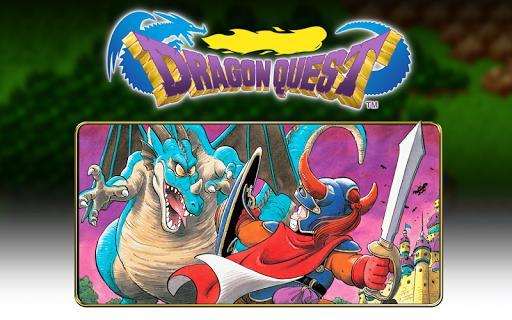
Sony’s Gran Turismo, a trailblazer in realistic racing games, has registered 100 million units sold, while Square Enix’s Dragon Quest holds strong at 95 million units—a testament to its long-standing legacy, particularly in Japan.
Nintendo’s Animal Crossing series, which saw explosive growth with Animal Crossing: New Horizons on Nintendo Switch, has reached 83 million units sold.
The Super Smash Bros. franchise, a staple of Nintendo consoles and esports events alike, now stands at 77 million units.
Other notable franchises include Metal Gear (65.1 million, Konami), Tekken (61 million, Bandai Namco), and Street Fighter (58 million, Capcom), each contributing immensely to their respective genres and often serving as system sellers on launch.
Kirby, another reliable Nintendo stalwart, has topped 50 million units.
Capcom’s Mega Man follows at 43 million, while FromSoftware’s Souls series appears twice—first with Dark Souls at 39.71 million, and then with Elden Ring at 35 million—as modern pillars of challenging, atmospheric action.
Additional mainstays include Kingdom Hearts (37 million, Square Enix), Devil May Cry (37 million, Capcom), Tales of (31.21 million, Bandai Namco), Yakuza/Like a Dragon (over 27.7 million, SEGA), Persona (over 23.5 million, Atlus/SEGA), and finally, Sega’s Sonic franchise, which leads cumulative gaming statistics with 1.77 billion downloads and sales, a figure that includes free-to-play titles.
According to statements shared by the respective publishers, these milestone numbers reflect lifetime franchise sales and represent both main entries and significant spin-offs.
The popularity of Nintendo Switch, as well as prominent digital storefronts like the Nintendo eShop, PlayStation Store, and third-party multi-platform releases, have fueled ongoing sales momentum for these historic series.
The new data reaffirms the global impact of Japanese games and the pivotal role of developers such as Nintendo, Capcom, Square Enix, Sony, and Bandai Namco in shaping the modern video game landscape.
From the earliest days of home consoles to the current generation of platforms like the Nintendo Switch and PlayStation 5, iconic titles from Japanese developers have consistently driven both critical acclaim and commercial success.
New sales data now sheds light on just how influential these franchises are today, placing their popularity into clear, quantifiable terms.
Leading the pack is Nintendo's flagship series, Mario, with an astonishing total of over 950 million units sold worldwide across all releases and platforms.
This figure underscores Mario's enduring appeal and the franchise's central place within gaming history.
Close behind, Pokémon—also from Nintendo in partnership with The Pokémon Company—continues its dominance with 489 million units sold.
The enduring popularity of these games is reflected in thriving ecosystems on the Nintendo Switch, regular updates through the Nintendo eShop, and global fan events tied to Nintendo Direct presentations.
Square Enix's Final Fantasy series, renowned for its deep storytelling and technical innovation, has reached an impressive 204 million units sold.
Resident Evil, Capcom’s seminal survival-horror franchise, follows with 178 million units, owed in part to consistent mainline releases and successful remakes.
The Legend of Zelda, known for groundbreaking game design and its influence on the adventure genre, has surpassed 160 million units sold.
Monster Hunter, another Capcom jewel, continues to build on its global momentum, now tallying 123 million units in sales.
Sony’s Gran Turismo, a trailblazer in realistic racing games, has registered 100 million units sold, while Square Enix’s Dragon Quest holds strong at 95 million units—a testament to its long-standing legacy, particularly in Japan.
Nintendo’s Animal Crossing series, which saw explosive growth with Animal Crossing: New Horizons on Nintendo Switch, has reached 83 million units sold.
The Super Smash Bros. franchise, a staple of Nintendo consoles and esports events alike, now stands at 77 million units.
Other notable franchises include Metal Gear (65.1 million, Konami), Tekken (61 million, Bandai Namco), and Street Fighter (58 million, Capcom), each contributing immensely to their respective genres and often serving as system sellers on launch.
Kirby, another reliable Nintendo stalwart, has topped 50 million units.
Capcom’s Mega Man follows at 43 million, while FromSoftware’s Souls series appears twice—first with Dark Souls at 39.71 million, and then with Elden Ring at 35 million—as modern pillars of challenging, atmospheric action.
Additional mainstays include Kingdom Hearts (37 million, Square Enix), Devil May Cry (37 million, Capcom), Tales of (31.21 million, Bandai Namco), Yakuza/Like a Dragon (over 27.7 million, SEGA), Persona (over 23.5 million, Atlus/SEGA), and finally, Sega’s Sonic franchise, which leads cumulative gaming statistics with 1.77 billion downloads and sales, a figure that includes free-to-play titles.
According to statements shared by the respective publishers, these milestone numbers reflect lifetime franchise sales and represent both main entries and significant spin-offs.
The popularity of Nintendo Switch, as well as prominent digital storefronts like the Nintendo eShop, PlayStation Store, and third-party multi-platform releases, have fueled ongoing sales momentum for these historic series.
The new data reaffirms the global impact of Japanese games and the pivotal role of developers such as Nintendo, Capcom, Square Enix, Sony, and Bandai Namco in shaping the modern video game landscape.