Supergiant Games, renowned for their narrative-rich and visually distinctive titles, has returned with Hades II, the highly anticipated sequel to their 2020 indie hit.
Debuting on the new Nintendo Switch 2, Hades II expands upon the original’s winning blend of roguelike action and Greek mythological storytelling, setting new standards for the genre on Nintendo's cutting-edge hardware.
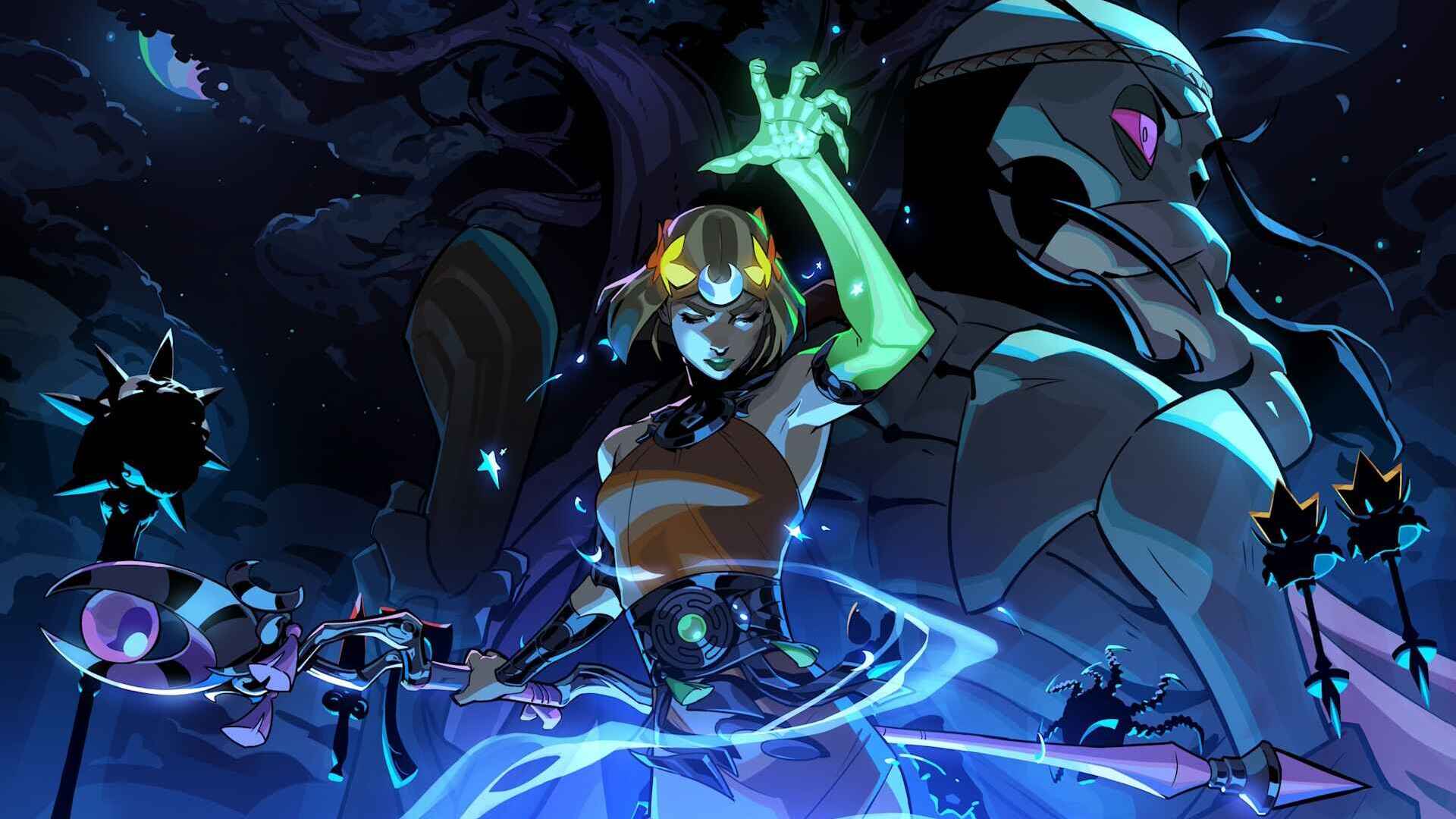
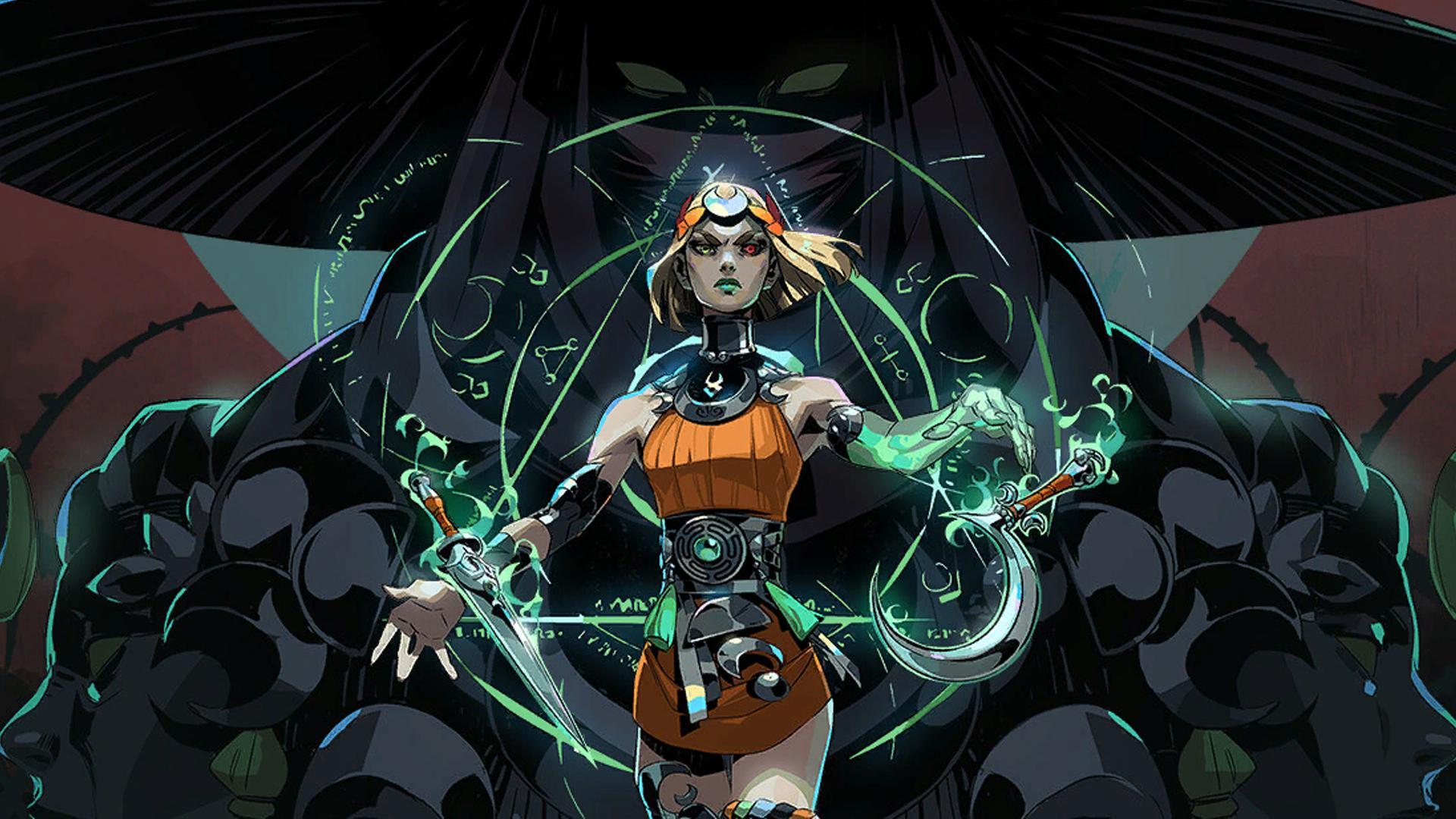
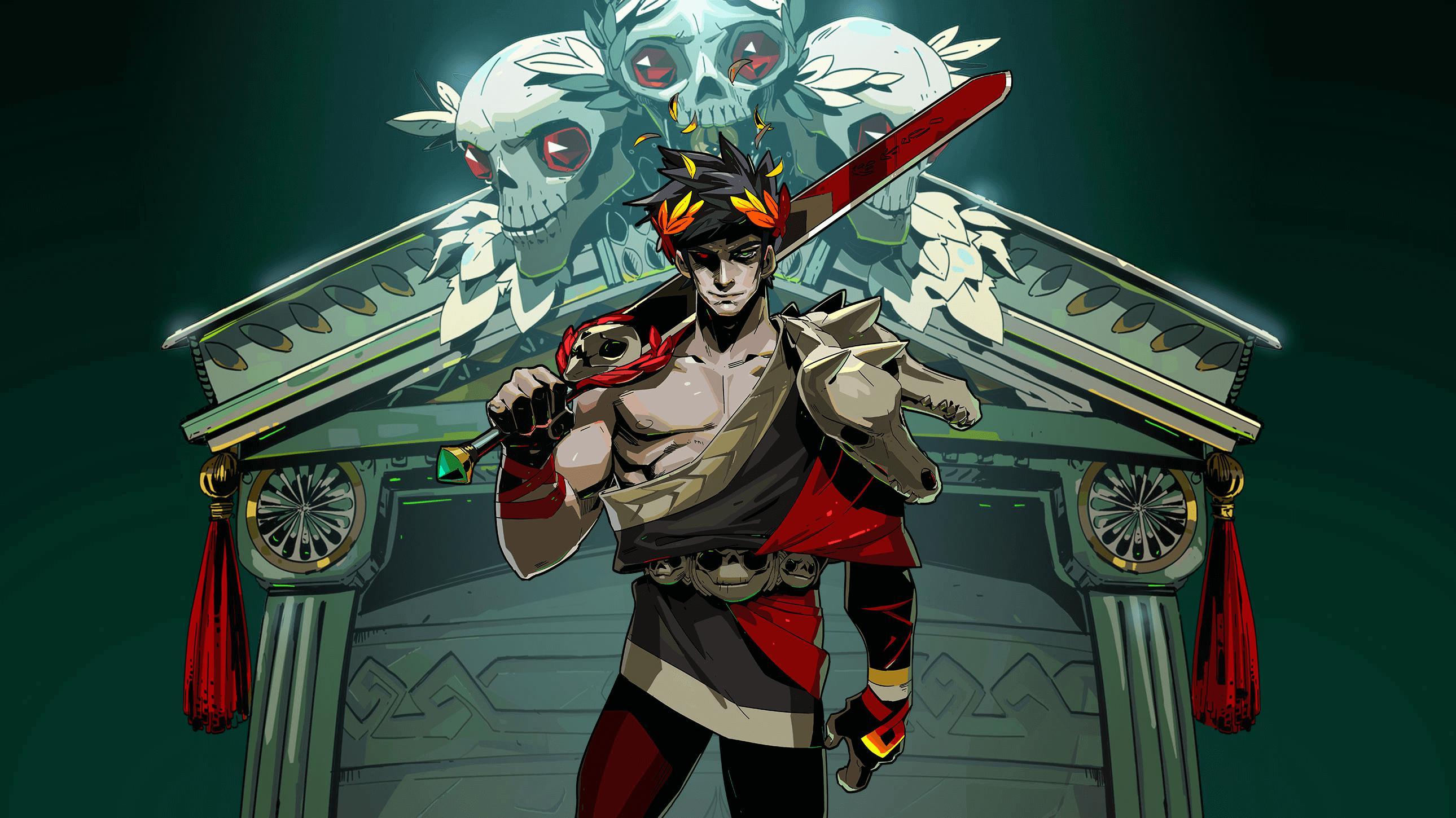
Continuing the legacy of the first Hades, Hades II invites players to take on the role of Melinoe, the sister of Zagreus, as she embarks on an epic quest through the Underworld and beyond.
With the help of familiar Olympians such as Hermes, Odysseus, and her headmistress Hectate, Melinoe is tasked with overthrowing Chronos, the Titan of Time, to rescue her imprisoned family.
This continuation of Greek mythology brings fresh energy and dramatic stakes to fans of the series.
The core gameplay loop remains true to the series' roots: players battle through rooms filled with enemies, each victory granting a choice of randomized rewards known as Boons, coins for Charon’s shop, or materials for upgrades.
These Boons, gifted by gods such as Hestia and Hephaestus, significantly alter Melinoe's abilities—perhaps by infusing attacks with fire, or powerful explosions for crowd control—allowing for deep customization and experimentation.
The thrill of discovering synergies and powerful combos persists, ensuring that each run feels both familiar and excitingly unpredictable.
Resource collection is also more meaningful and expansive in Hades II.
Materials gathered during runs can now be used for incantations, which unlock upgrades or completely new gameplay features.
These range from minor conveniences, like coin-filled urns, to major game-changers, such as weapon enhancements or entirely new weapons.
Such systems deepen progression and give players ample incentive to return for repeated attempts.
As with any solid roguelike, early failures are expected and even encouraged.
Each run teaches the player new strategies, weapon compatibilities, and enemy patterns, making progress both incremental and rewarding.
The narrative cleverly unfolds through continuous character dialogues rather than static cutscenes, with characters referencing the player's decisions and defeats in surprising, dynamic ways.
This creates an immersive and responsive world, further enhanced by the ever-expanding cast and detailed hub area known as the Crossroads, where upgrades, character interactions, and customization options abound.
Hades II doesn't merely recycle its predecessor’s formula.
Subtle yet impactful changes to gameplay include alterations to casting abilities, movement mechanics, and the introduction of Omega moves—charged attacks powered by a regenerating resource called Magick.
These innovations require players to rethink old strategies and adapt to new tactical possibilities.
Additionally, the game's structure offers two distinct types of runs—descending into the Underworld and ascending to the surface—each presenting unique challenges and enemy encounters.
Visually and sonically, Hades II is a showcase for Supergiant’s talents.
The game’s art direction is sharper and more detailed than ever, while the orchestral score and voice acting meet the high standards fans have come to expect.
These enhancements make full use of the Nintendo Switch 2’s hardware capabilities, providing a fluid and stunning experience whether docked or handheld.
Delivering on both innovation and fidelity to the original, Hades II stands as a masterclass in sequel design—expanding its world, gameplay, and production values without losing touch with what made the first game great.
For Nintendo Switch 2 owners and lovers of the roguelike genre, Hades II is not just a worthy successor, but an essential addition to their collection.
Debuting on the new Nintendo Switch 2, Hades II expands upon the original’s winning blend of roguelike action and Greek mythological storytelling, setting new standards for the genre on Nintendo's cutting-edge hardware.
Continuing the legacy of the first Hades, Hades II invites players to take on the role of Melinoe, the sister of Zagreus, as she embarks on an epic quest through the Underworld and beyond.
With the help of familiar Olympians such as Hermes, Odysseus, and her headmistress Hectate, Melinoe is tasked with overthrowing Chronos, the Titan of Time, to rescue her imprisoned family.
This continuation of Greek mythology brings fresh energy and dramatic stakes to fans of the series.
The core gameplay loop remains true to the series' roots: players battle through rooms filled with enemies, each victory granting a choice of randomized rewards known as Boons, coins for Charon’s shop, or materials for upgrades.
These Boons, gifted by gods such as Hestia and Hephaestus, significantly alter Melinoe's abilities—perhaps by infusing attacks with fire, or powerful explosions for crowd control—allowing for deep customization and experimentation.
The thrill of discovering synergies and powerful combos persists, ensuring that each run feels both familiar and excitingly unpredictable.
Resource collection is also more meaningful and expansive in Hades II.
Materials gathered during runs can now be used for incantations, which unlock upgrades or completely new gameplay features.
These range from minor conveniences, like coin-filled urns, to major game-changers, such as weapon enhancements or entirely new weapons.
Such systems deepen progression and give players ample incentive to return for repeated attempts.
As with any solid roguelike, early failures are expected and even encouraged.
Each run teaches the player new strategies, weapon compatibilities, and enemy patterns, making progress both incremental and rewarding.
The narrative cleverly unfolds through continuous character dialogues rather than static cutscenes, with characters referencing the player's decisions and defeats in surprising, dynamic ways.
This creates an immersive and responsive world, further enhanced by the ever-expanding cast and detailed hub area known as the Crossroads, where upgrades, character interactions, and customization options abound.
Hades II doesn't merely recycle its predecessor’s formula.
Subtle yet impactful changes to gameplay include alterations to casting abilities, movement mechanics, and the introduction of Omega moves—charged attacks powered by a regenerating resource called Magick.
These innovations require players to rethink old strategies and adapt to new tactical possibilities.
Additionally, the game's structure offers two distinct types of runs—descending into the Underworld and ascending to the surface—each presenting unique challenges and enemy encounters.
Visually and sonically, Hades II is a showcase for Supergiant’s talents.
The game’s art direction is sharper and more detailed than ever, while the orchestral score and voice acting meet the high standards fans have come to expect.
These enhancements make full use of the Nintendo Switch 2’s hardware capabilities, providing a fluid and stunning experience whether docked or handheld.
Delivering on both innovation and fidelity to the original, Hades II stands as a masterclass in sequel design—expanding its world, gameplay, and production values without losing touch with what made the first game great.
For Nintendo Switch 2 owners and lovers of the roguelike genre, Hades II is not just a worthy successor, but an essential addition to their collection.