Google has once again put artificial intelligence at the forefront of technological innovation, this time unveiling Project Genie—a generative AI tool able to create playable gaming worlds.
The tech giant, no stranger to integrating AI into its suite of products, has designed Project Genie using an expansive dataset derived from billions of hours of publicly available YouTube footage.
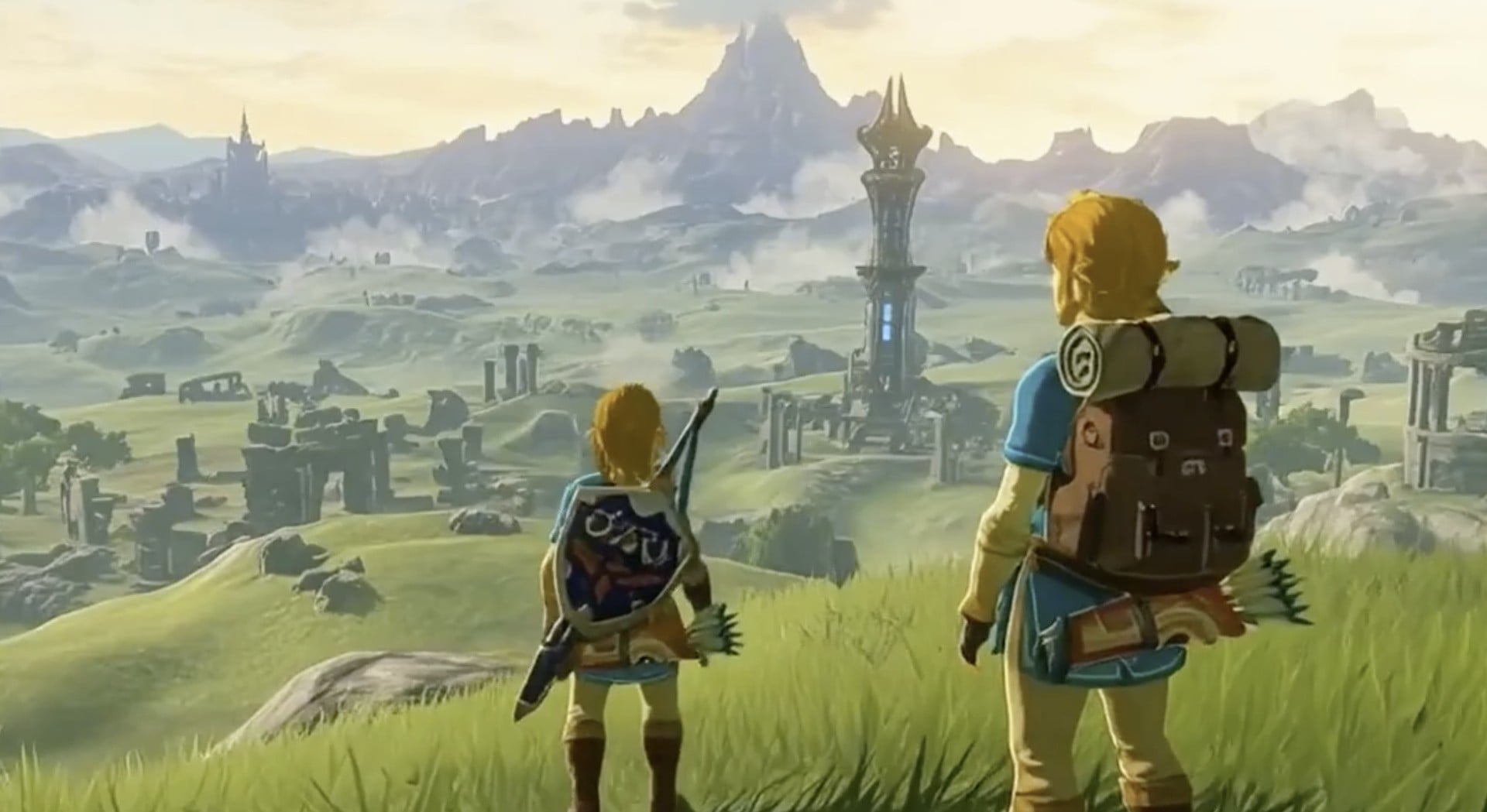
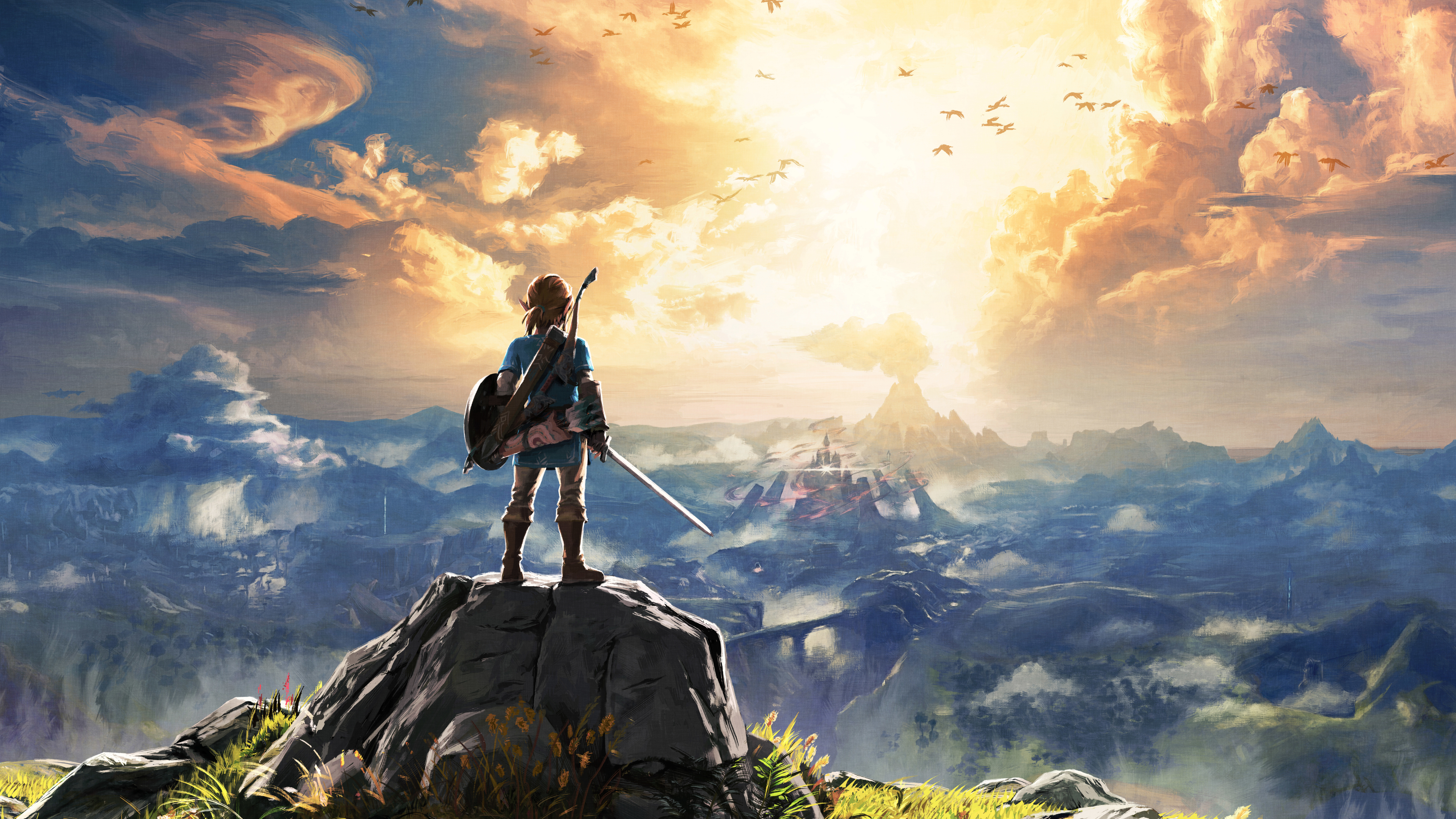
However, the launch of Project Genie has quickly ignited intense debate among developers, copyright holders, and the broader gaming community, particularly following its capacity to replicate iconic Nintendo game scenarios—including scenes unmistakably similar to The Legend of Zelda: Breath of the Wild on the Nintendo Switch.
Jay Peters, a journalist for The Verge, received early access to Project Genie and detailed his experience generating what he described as "Nintendo-inspired games, including one featuring a character similar to Link using a paraglider." Peters stated that the gameplay bore a striking resemblance to Nintendo’s seminal adventure, Breath of the Wild.
His showcase of the AI-generated world demonstrated just how closely Project Genie can mirror existing intellectual property—raising alarms about the potential for unintentional (or intentional) copyright infringement.
The gaming and legal communities reacted swiftly, highlighting parallels to past incidents such as the release of OpenAI’s Sora video tool, which also raised concerns about the ease of producing content that infringes on copyrights.
Peters noted that while Project Genie employs certain guardrails—such as refusing to generate worlds directly prompted by Disney’s Kingdom Hearts—these safeguards appear inconsistently applied.
When character names were omitted and only visual descriptions used, Genie still created preview images strongly reminiscent of prominent figures like Sora, Donald, Goofy, and others from the Kingdom Hearts and Final Fantasy franchises.
However, when attempting to create the actual gameplay, the tool actively blocked production of that world.
In response to these concerns, Google clarified to The Verge that Project Genie is an "experimental research prototype designed to follow prompts a user provides." The company added that it was "closely monitoring usage and listening to user feedback" as it continues to develop the platform.
Peters further stated that Google confirmed the AI is "trained primarily on publicly available data from the web," which may explain its adeptness at reproducing recognizable actions from fan-favorite games.
For instance, the AI accurately deployed a paraglider in the Breath of the Wild-inspired demo—likely informed by countless YouTube clips depicting similar moments.
Shortly before publishing his report, Peters observed that Project Genie ceased allowing him to generate worlds based on Super Mario 64, allegedly due to "interests of third-party content providers." This suggests that content rights holders like Nintendo may be moving swiftly to protect their intellectual property from unauthorized AI replication.
Given Nintendo’s longstanding commitment to defending its brands—and its success with properties like Breath of the Wild on the Switch, which has sold over 30 million copies globally—scrutiny of emerging generative AI tools will remain high.
The introduction of Project Genie underscores both the powerful potential and the complex ethical challenges presented by generative AI in game development.
As research prototypes evolve toward commercial use, platform holders and developers—including major players like Nintendo—will need to navigate a rapidly shifting landscape, balancing innovation against the imperative to respect the creative rights of the gaming industry’s most iconic franchises.
The tech giant, no stranger to integrating AI into its suite of products, has designed Project Genie using an expansive dataset derived from billions of hours of publicly available YouTube footage.
However, the launch of Project Genie has quickly ignited intense debate among developers, copyright holders, and the broader gaming community, particularly following its capacity to replicate iconic Nintendo game scenarios—including scenes unmistakably similar to The Legend of Zelda: Breath of the Wild on the Nintendo Switch.
Jay Peters, a journalist for The Verge, received early access to Project Genie and detailed his experience generating what he described as "Nintendo-inspired games, including one featuring a character similar to Link using a paraglider." Peters stated that the gameplay bore a striking resemblance to Nintendo’s seminal adventure, Breath of the Wild.
His showcase of the AI-generated world demonstrated just how closely Project Genie can mirror existing intellectual property—raising alarms about the potential for unintentional (or intentional) copyright infringement.
The gaming and legal communities reacted swiftly, highlighting parallels to past incidents such as the release of OpenAI’s Sora video tool, which also raised concerns about the ease of producing content that infringes on copyrights.
Peters noted that while Project Genie employs certain guardrails—such as refusing to generate worlds directly prompted by Disney’s Kingdom Hearts—these safeguards appear inconsistently applied.
When character names were omitted and only visual descriptions used, Genie still created preview images strongly reminiscent of prominent figures like Sora, Donald, Goofy, and others from the Kingdom Hearts and Final Fantasy franchises.
However, when attempting to create the actual gameplay, the tool actively blocked production of that world.
In response to these concerns, Google clarified to The Verge that Project Genie is an "experimental research prototype designed to follow prompts a user provides." The company added that it was "closely monitoring usage and listening to user feedback" as it continues to develop the platform.
Peters further stated that Google confirmed the AI is "trained primarily on publicly available data from the web," which may explain its adeptness at reproducing recognizable actions from fan-favorite games.
For instance, the AI accurately deployed a paraglider in the Breath of the Wild-inspired demo—likely informed by countless YouTube clips depicting similar moments.
Shortly before publishing his report, Peters observed that Project Genie ceased allowing him to generate worlds based on Super Mario 64, allegedly due to "interests of third-party content providers." This suggests that content rights holders like Nintendo may be moving swiftly to protect their intellectual property from unauthorized AI replication.
Given Nintendo’s longstanding commitment to defending its brands—and its success with properties like Breath of the Wild on the Switch, which has sold over 30 million copies globally—scrutiny of emerging generative AI tools will remain high.
The introduction of Project Genie underscores both the powerful potential and the complex ethical challenges presented by generative AI in game development.
As research prototypes evolve toward commercial use, platform holders and developers—including major players like Nintendo—will need to navigate a rapidly shifting landscape, balancing innovation against the imperative to respect the creative rights of the gaming industry’s most iconic franchises.