
Updated investigation: Takashi Yamazaki, the FX creator linked to the early-1990s Star Fox marketing campaign, has offered new, first-hand detail about the live-action puppets used to promote Nintendo's 1993 SNES title.
The additional information, posted on Twitter/X and translated by Liz Bushouse, clarifies how the puppets were produced, how marketing assets were created, and why the physical models no longer survive.
Background
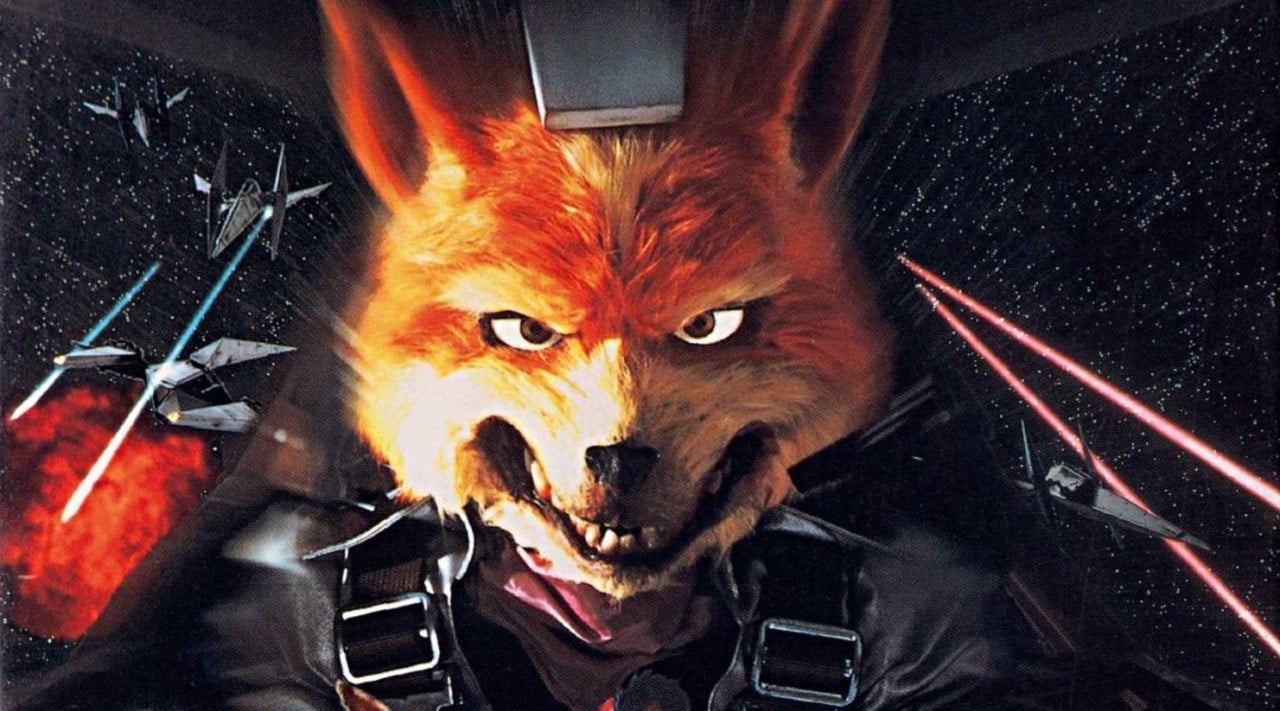
The original Star Fox campaign for the Super Nintendo Entertainment System (SNES) used live-action puppet representations of Fox McCloud, Slippy Toad, Falco Lombardi and Peppy Hare across print ads, in-store displays and box art.
Time Extension began an inquiry into the whereabouts and fate of those puppets in late April 2026, compiling statements from former developers and the studio believed to have made the models.
What Yamazaki confirmed
In a series of tweets posted in response to a Kigurumi cosplayer, Yamazaki explained that a single set of moving puppets was filmed for a commercial, and those footage frames were subsequently retouched and composited for package shots and posters.
He described using Macintosh systems with Photoshop to process and assemble the 2K images used in print and packaging.
Yamazaki said he was enthusiastic about producing a longer commercial featuring the puppets, but the extended spot was ultimately shelved because it looked "too realistic" and risked giving consumers, particularly children, the impression that the finished game resembled the live puppets rather than in-game footage.
As a result, packaging and poster imagery remained the only places where those puppet likenesses appeared.
Confirmed fate from Shirogumi
Time Extension contacted the FX company Shirogumi and received a direct response indicating that the Fox puppets were constructed by attaching fur and feathers to natural rubber.
Because that material deteriorates when exposed to air, Shirogumi stated the puppets had to be destroyed after production finished.
That explanation accounts for the physical loss of the original models.
Conflicting memories and wider context
Earlier reporting included recollections from Star Fox programmer Dylan Cuthbert, who told Time Extension he thought he last saw the puppets around 2011 in a storage room at Nintendo, though he described his memory as vague.
Takaya Imamura responded separately that he had never seen the puppets in person and had been told they were destroyed.
Time Extension also noted the presence of a model kit showcased at Wonder Fest several years before Cuthbert's cited sighting, indicating additional assets existed around the same era.
Conclusion
Taken together, Yamazaki's account and Shirogumi's materials-handling explanation provide a consistent, documented chain: one filmed puppet set was photographed and digitally retouched for packaging, an extended commercial was shelved for being too realistic, and the physical puppets were destroyed due to material degradation.
These verified statements resolve long-standing questions about the marketing props used in the Star Fox SNES campaign while clarifying why the original models are no longer extant.
The additional information, posted on Twitter/X and translated by Liz Bushouse, clarifies how the puppets were produced, how marketing assets were created, and why the physical models no longer survive.
Background
The original Star Fox campaign for the Super Nintendo Entertainment System (SNES) used live-action puppet representations of Fox McCloud, Slippy Toad, Falco Lombardi and Peppy Hare across print ads, in-store displays and box art.
Time Extension began an inquiry into the whereabouts and fate of those puppets in late April 2026, compiling statements from former developers and the studio believed to have made the models.
What Yamazaki confirmed
In a series of tweets posted in response to a Kigurumi cosplayer, Yamazaki explained that a single set of moving puppets was filmed for a commercial, and those footage frames were subsequently retouched and composited for package shots and posters.
He described using Macintosh systems with Photoshop to process and assemble the 2K images used in print and packaging.
Yamazaki said he was enthusiastic about producing a longer commercial featuring the puppets, but the extended spot was ultimately shelved because it looked "too realistic" and risked giving consumers, particularly children, the impression that the finished game resembled the live puppets rather than in-game footage.
As a result, packaging and poster imagery remained the only places where those puppet likenesses appeared.
Confirmed fate from Shirogumi
Time Extension contacted the FX company Shirogumi and received a direct response indicating that the Fox puppets were constructed by attaching fur and feathers to natural rubber.
Because that material deteriorates when exposed to air, Shirogumi stated the puppets had to be destroyed after production finished.
That explanation accounts for the physical loss of the original models.
Conflicting memories and wider context
Earlier reporting included recollections from Star Fox programmer Dylan Cuthbert, who told Time Extension he thought he last saw the puppets around 2011 in a storage room at Nintendo, though he described his memory as vague.
Takaya Imamura responded separately that he had never seen the puppets in person and had been told they were destroyed.
Time Extension also noted the presence of a model kit showcased at Wonder Fest several years before Cuthbert's cited sighting, indicating additional assets existed around the same era.
Conclusion
Taken together, Yamazaki's account and Shirogumi's materials-handling explanation provide a consistent, documented chain: one filmed puppet set was photographed and digitally retouched for packaging, an extended commercial was shelved for being too realistic, and the physical puppets were destroyed due to material degradation.
These verified statements resolve long-standing questions about the marketing props used in the Star Fox SNES campaign while clarifying why the original models are no longer extant.