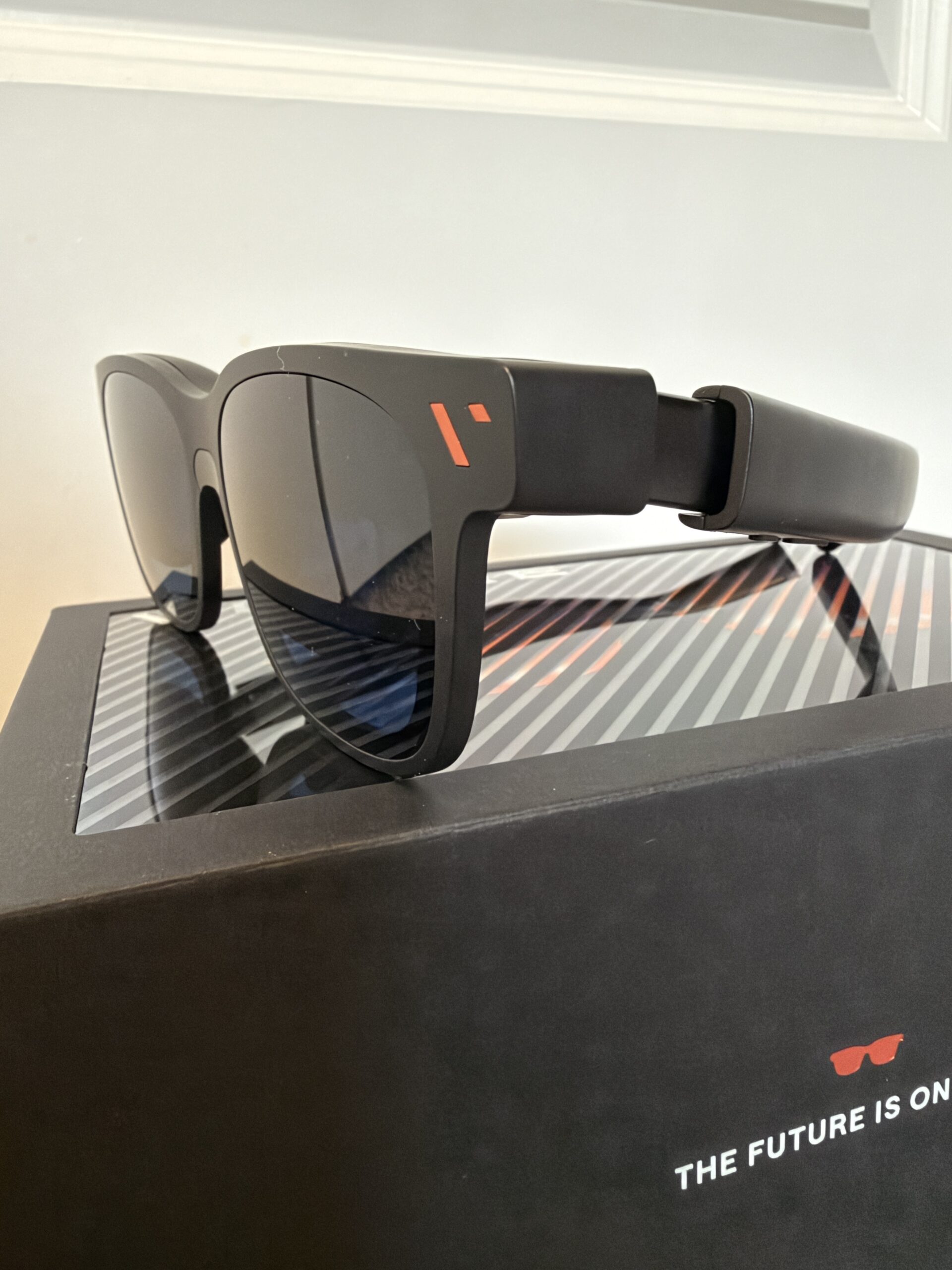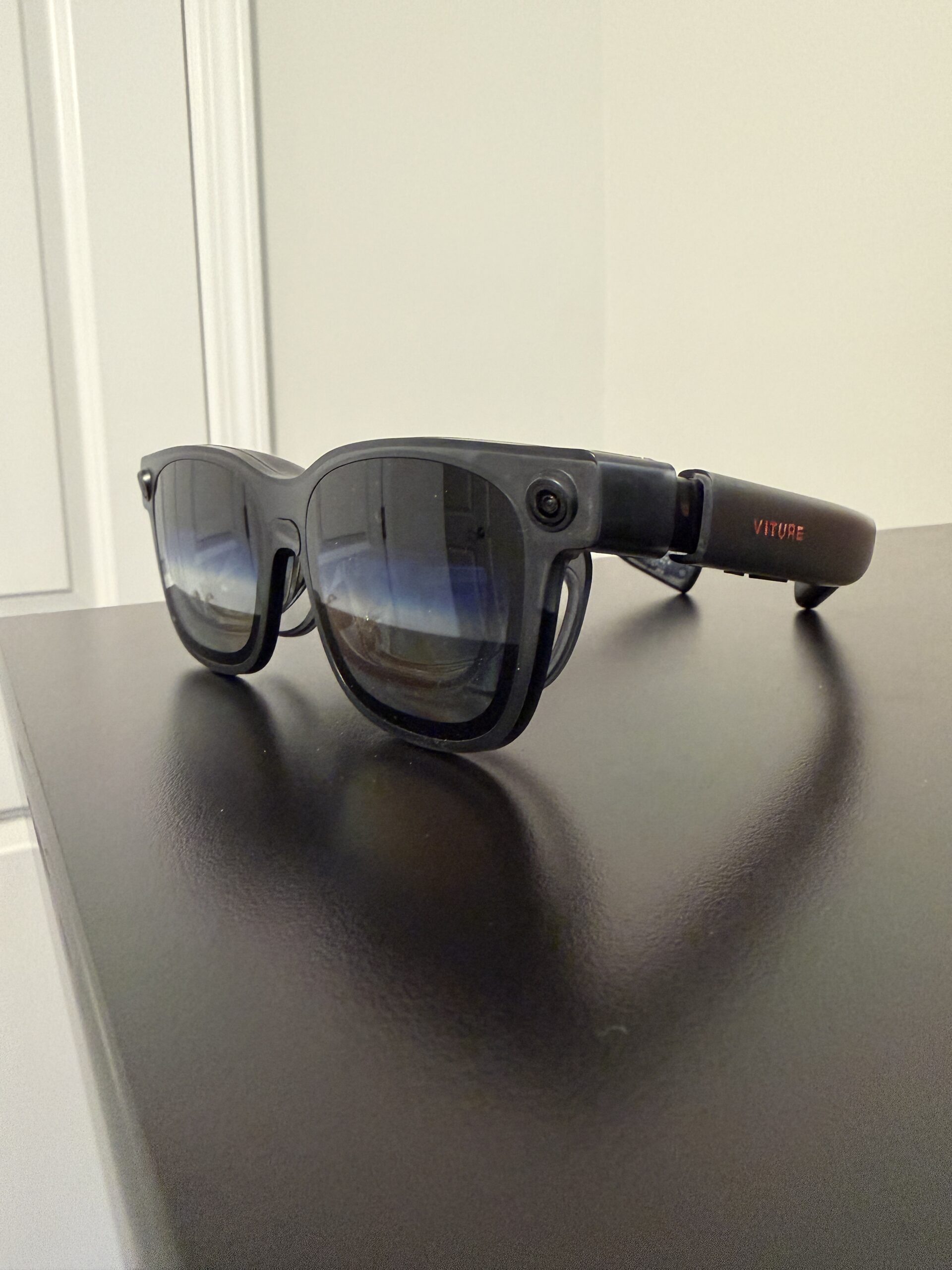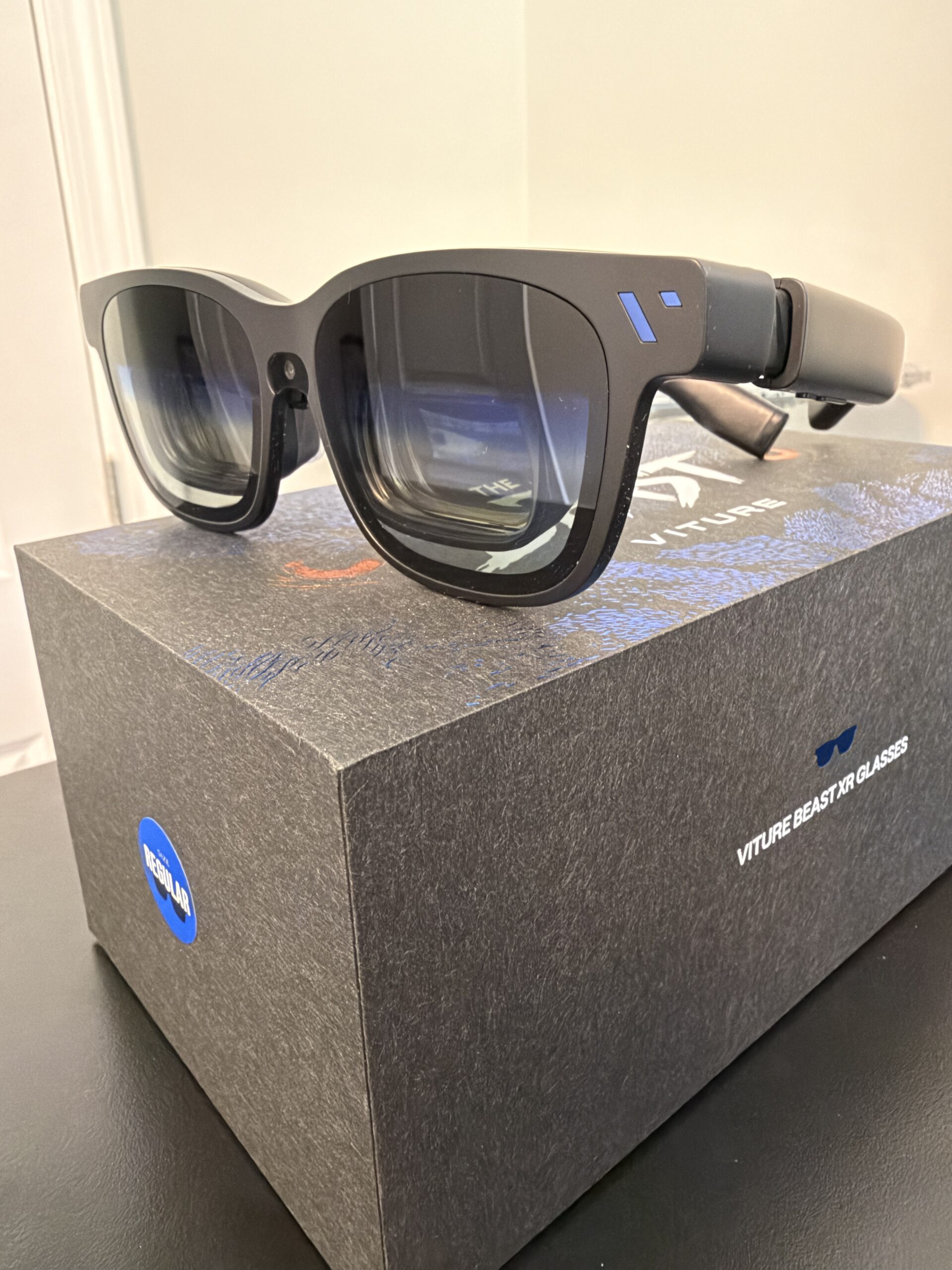






Viture’s new Beast XR glasses arrive as a follow-up to the company’s Luma Ultra, targeting gamers who want a compact, TV-like display for docked consoles.
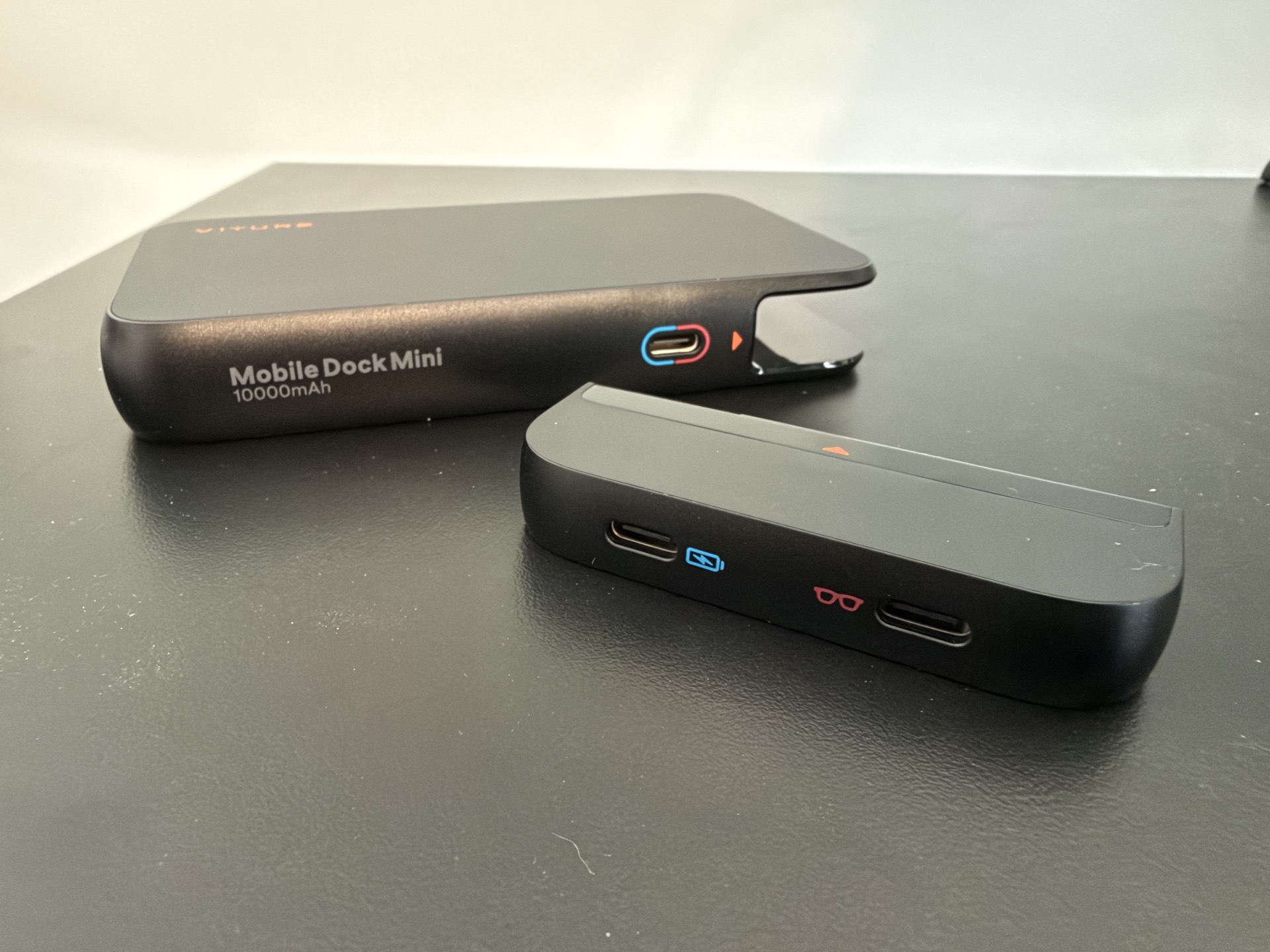
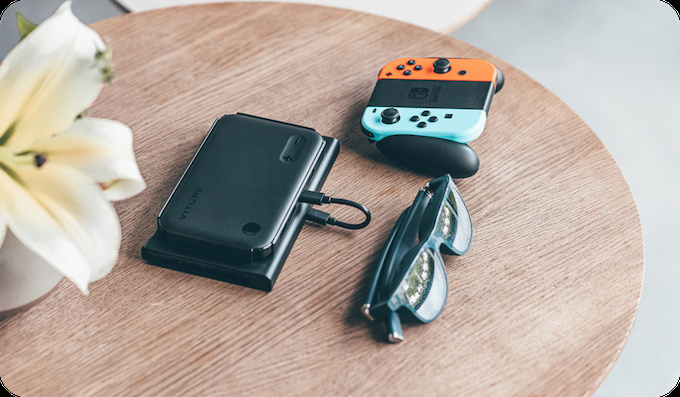
I tested the Viture Beast alongside the Luma Ultra using a Nintendo Switch connected via the Pro Mobile Dock to evaluate image quality, tracking, comfort, and day-to-day usability.
Key hardware differences
The Viture Beast increases field of view (FOV) to 58 degrees versus the Luma Ultra’s 52 degrees, while peak brightness is slightly lower on the Beast at 1250 nits compared with the Luma Ultra’s 1500 nits.
Viture’s Luma Ultra is configured with additional cameras that provide 6DoF (six degrees of freedom) tracking in comparison to the Beast’s 3DoF setup—features that orient the Luma Ultra more toward productivity and mixed-reality use cases where head position tracking matters.
Design, comfort and connectivity
The Beast uses a full-metal aluminum-magnesium enclosure and supports prescription lenses.
It connects with a standard USB-C cable routed into the right temple.
By contrast, the Luma Ultra uses a magnetic connector above the ear and has IPD adjustment wheels above each lens for finer optical tuning.
In testing, the magnetic connector felt faster and simpler to dock and undock, an advantage for users who put the glasses on and take them off frequently.
The Beast’s metal build feels more premium and slightly heavier, but I did not find the added weight distracting during play sessions.
Performance with Nintendo Switch
When playing Switch titles through the docked connection, the Beast delivered solid resolution and consistent frame rates—gameplay felt as responsive as playing on a TV.
However, I encountered intermittent video output issues on the Beast that manifested as multicolored vertical lines; twisting or reseating the USB-C cable would often restore the image.
Firmware updates reduced the frequency of those glitches but did not eliminate them entirely during my evaluation.
The Luma Ultra’s magnetic connection did not show the same intermittent output behavior during the same tests.
Verdict
At $549, the Viture Beast is about $50 cheaper than the Luma Ultra and offers a wider FOV and premium metal construction.
The Luma Ultra remains the stronger option for users who prioritize brightness, finer optical adjustment, and more robust tracking.
For console gamers who want a fast, TV-like experience from their docked Nintendo Switch, both headsets perform well, with the choice coming down to comfort preferences and connectivity reliability.
I tested the Viture Beast alongside the Luma Ultra using a Nintendo Switch connected via the Pro Mobile Dock to evaluate image quality, tracking, comfort, and day-to-day usability.
Key hardware differences
The Viture Beast increases field of view (FOV) to 58 degrees versus the Luma Ultra’s 52 degrees, while peak brightness is slightly lower on the Beast at 1250 nits compared with the Luma Ultra’s 1500 nits.
Viture’s Luma Ultra is configured with additional cameras that provide 6DoF (six degrees of freedom) tracking in comparison to the Beast’s 3DoF setup—features that orient the Luma Ultra more toward productivity and mixed-reality use cases where head position tracking matters.
Design, comfort and connectivity
The Beast uses a full-metal aluminum-magnesium enclosure and supports prescription lenses.
It connects with a standard USB-C cable routed into the right temple.
By contrast, the Luma Ultra uses a magnetic connector above the ear and has IPD adjustment wheels above each lens for finer optical tuning.
In testing, the magnetic connector felt faster and simpler to dock and undock, an advantage for users who put the glasses on and take them off frequently.
The Beast’s metal build feels more premium and slightly heavier, but I did not find the added weight distracting during play sessions.
Performance with Nintendo Switch
When playing Switch titles through the docked connection, the Beast delivered solid resolution and consistent frame rates—gameplay felt as responsive as playing on a TV.
However, I encountered intermittent video output issues on the Beast that manifested as multicolored vertical lines; twisting or reseating the USB-C cable would often restore the image.
Firmware updates reduced the frequency of those glitches but did not eliminate them entirely during my evaluation.
The Luma Ultra’s magnetic connection did not show the same intermittent output behavior during the same tests.
Verdict
At $549, the Viture Beast is about $50 cheaper than the Luma Ultra and offers a wider FOV and premium metal construction.
The Luma Ultra remains the stronger option for users who prioritize brightness, finer optical adjustment, and more robust tracking.
For console gamers who want a fast, TV-like experience from their docked Nintendo Switch, both headsets perform well, with the choice coming down to comfort preferences and connectivity reliability.