
In recent years, the retro gaming community has witnessed a resurgence of miniaturized versions of classic home computers, from the C64 Mini to the Amiga 500 Mini.
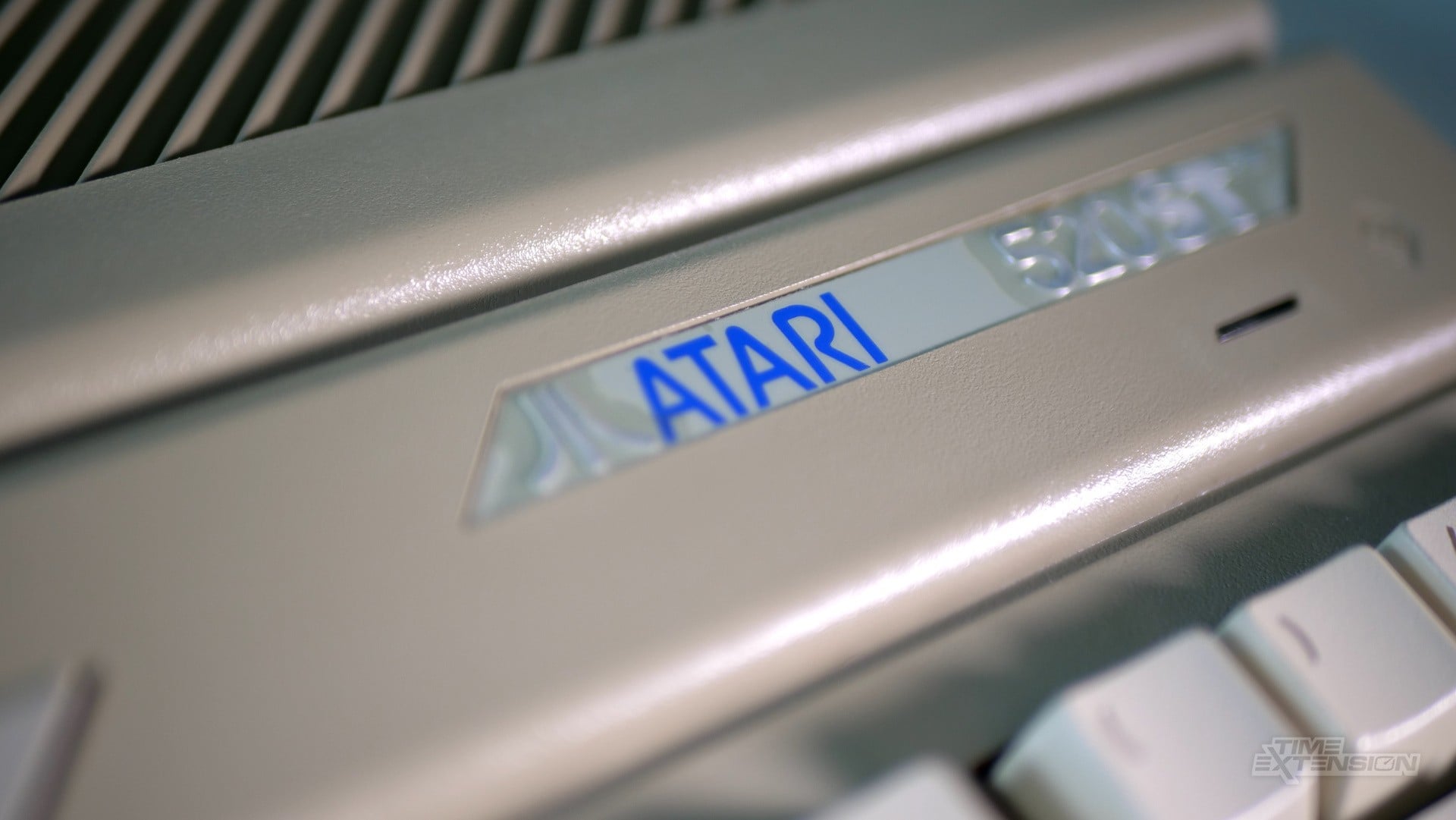
However, one notable omission from this lineup has been the Atari ST—a machine beloved by enthusiasts and pivotal in the evolution of 16-bit home computing.
Originally released in 1985, the Atari ST quickly gained notoriety for its advanced features, accessible programming environment, and vibrant software catalog.
Dominating the European creative scene through the late 1980s, the ST would eventually see its user base erode with the rise of the Commodore Amiga, but nostalgia for the legendary machine remains strong among retro gamers.
Enter the MiniST: a fan-driven labor of love by Dennis Shaw that has recently captured the attention of the retro gaming sphere.
While not an official product, the MiniST is a meticulously engineered homage to the Atari ST, with each unit hand-crafted to preserve the iconic look and functionality of the original system.
As reported by outlets such as Tom's Hardware, Shaw’s project stands out for its open-source philosophy—enabling enthusiasts to source components and assemble their own units if they miss out on the extremely limited production run.
Shaw has confirmed that only five MiniST units will be built by hand, yet the open nature of the project ensures that passionate fans can replicate or adapt the design themselves.
Each MiniST is priced at approximately 350 euros (just under $400), offering remarkable value considering its technical specifications and bespoke construction.
The core of the MiniST is powered by a Tang Nano FPGA running the MiSTeryNano core, which delivers what Shaw describes as a "cycle exact 8 MHz 68000 CPU." This commitment to hardware accuracy enables authentic Atari ST software performance.
Adding to its modern appeal, the MiniST includes HDMI output for seamless integration with today’s displays, along with USB ports for mouse, keyboard, and joystick connectivity.
Physical MIDI-IN and MIDI-OUT ports are also present, embracing the Atari ST’s legacy as a pioneer in digital music production.
The device is housed in a sleek, black case inspired by the original design, creating an approachable fusion of retro aesthetics and contemporary usability.
While the MiniST is unlikely to satisfy mass-market demand due to its exclusivity, the project represents a significant achievement in the fan community’s efforts to preserve, celebrate, and experience gaming history.
Those interested can assemble their own MiniST using Shaw’s openly shared hardware documentation—a testament to the enduring legacy of the Atari ST and the passion of its global fanbase.
However, one notable omission from this lineup has been the Atari ST—a machine beloved by enthusiasts and pivotal in the evolution of 16-bit home computing.
Originally released in 1985, the Atari ST quickly gained notoriety for its advanced features, accessible programming environment, and vibrant software catalog.
Dominating the European creative scene through the late 1980s, the ST would eventually see its user base erode with the rise of the Commodore Amiga, but nostalgia for the legendary machine remains strong among retro gamers.
Enter the MiniST: a fan-driven labor of love by Dennis Shaw that has recently captured the attention of the retro gaming sphere.
While not an official product, the MiniST is a meticulously engineered homage to the Atari ST, with each unit hand-crafted to preserve the iconic look and functionality of the original system.
As reported by outlets such as Tom's Hardware, Shaw’s project stands out for its open-source philosophy—enabling enthusiasts to source components and assemble their own units if they miss out on the extremely limited production run.
Shaw has confirmed that only five MiniST units will be built by hand, yet the open nature of the project ensures that passionate fans can replicate or adapt the design themselves.
Each MiniST is priced at approximately 350 euros (just under $400), offering remarkable value considering its technical specifications and bespoke construction.
The core of the MiniST is powered by a Tang Nano FPGA running the MiSTeryNano core, which delivers what Shaw describes as a "cycle exact 8 MHz 68000 CPU." This commitment to hardware accuracy enables authentic Atari ST software performance.
Adding to its modern appeal, the MiniST includes HDMI output for seamless integration with today’s displays, along with USB ports for mouse, keyboard, and joystick connectivity.
Physical MIDI-IN and MIDI-OUT ports are also present, embracing the Atari ST’s legacy as a pioneer in digital music production.
The device is housed in a sleek, black case inspired by the original design, creating an approachable fusion of retro aesthetics and contemporary usability.
While the MiniST is unlikely to satisfy mass-market demand due to its exclusivity, the project represents a significant achievement in the fan community’s efforts to preserve, celebrate, and experience gaming history.
Those interested can assemble their own MiniST using Shaw’s openly shared hardware documentation—a testament to the enduring legacy of the Atari ST and the passion of its global fanbase.