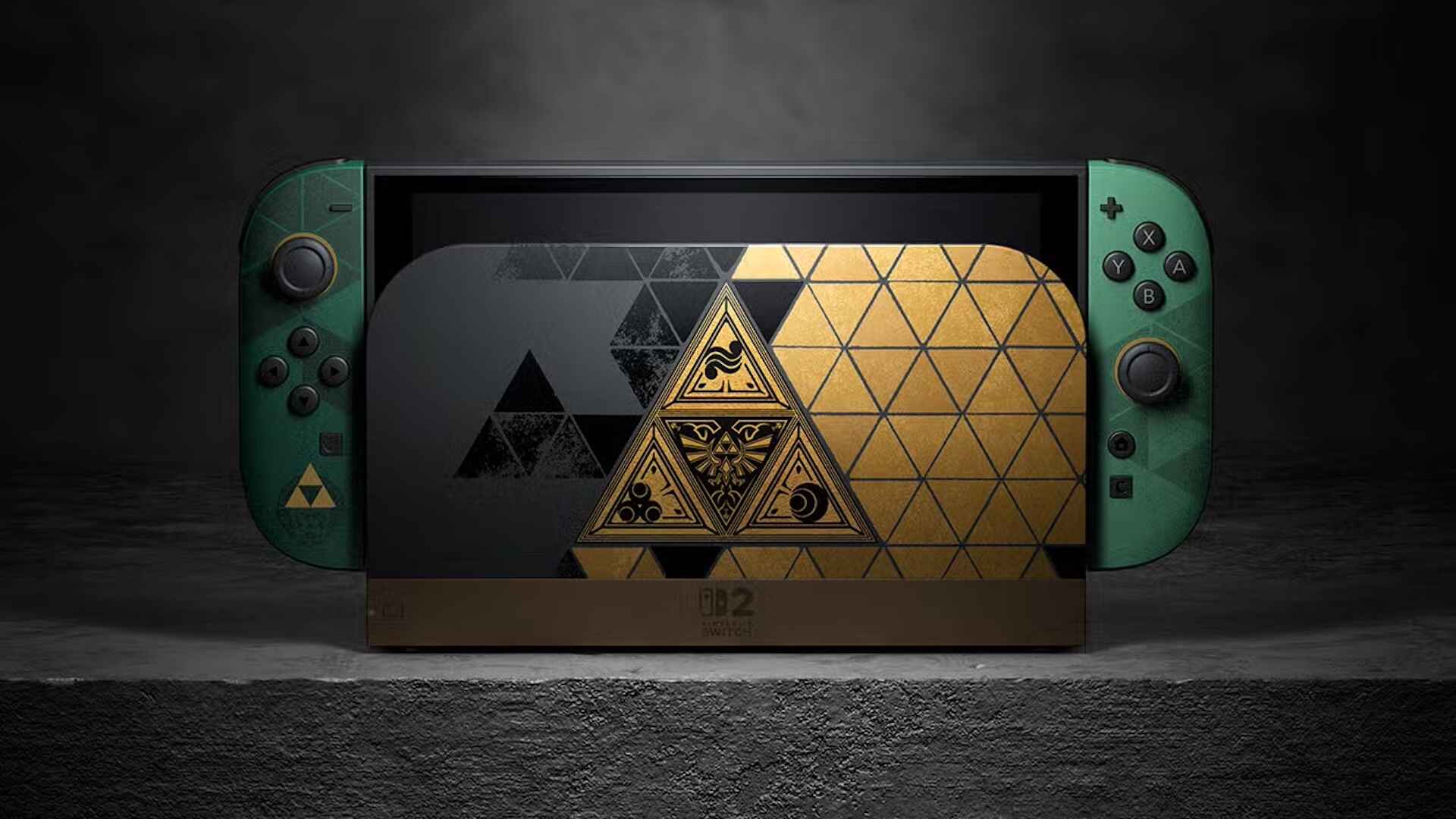
Nintendo Switch 2 Pricing: Former Employee Discusses Economic Pressures and Potential Increases
As anticipation builds for the highly awaited Nintendo Switch 2, industry observers are increasingly focused on hardware pricing in the next console generation. A recent episode of the Kit & Krysta podcast featured a former Nintendo employee—whose identity remains confidential—offering a candid analysis of the financial realities facing Nintendo as it gears up for the next iteration of its best-selling handheld hybrid. The topic’s urgency is underlined by comparisons to previous price strategies by Sony and Microsoft, both of which have adjusted their hardware costs in response to mounting external pressures.
During the podcast, as transcribed by VGC, the former staffer provided insights into Nintendo’s current position, stating that a price increase for the Nintendo Switch 2 hardware may ultimately be unavoidable. According to the guest, global economic factors such as persistent inflation and ongoing tariffs have created sustained upward pressure on production costs. "While Nintendo seems to be taking steps to minimize impact, external forces are stacking up, making a future price hike likely," the former employee explained.
One significant point raised was the influence of the growing demand for semiconductors—driven in part by the booming artificial intelligence sector—which has led to increased prices for essential components like memory chips. Supply chain disruptions, fluctuating oil prices, and the rising cost of raw materials have all contributed to a more challenging manufacturing landscape for every major console maker.
"Issues like ongoing inflation, steadfast tariffs, and rising oil prices are affecting shipping and logistics, pushing costs higher across the board," the former employee summarized. The podcast conversation also highlighted lesser-known factors, such as the role of helium—a by-product of oil production crucial for semiconductor manufacturing—in inflating hardware expenses. This, in turn, impacts not only the consoles themselves but also the cost of manufacturing cartridges and related media.
Nintendo has traditionally shielded its consumers from frequent hardware price hikes, instead turning to innovation and diversified revenue streams to sustain profits. The former employee noted that Nintendo could employ measures such as promoting digital software purchases through the eShop to help offset potential hardware price increases—a strategy seen with software initiatives across the PlayStation and Xbox platforms. Ancillary products, such as amiibo figurines and Nintendo-branded merchandise including t-shirts and Lego collaborations, offer additional ways for the company to balance margins without passing costs directly to gamers.
"It’s possible Nintendo may delay hardware price increases by leveraging other business segments, but given the scope of current economic challenges, a rise appears inevitable for the first time," the guest observed. Despite facing various economic cycles in its history, the current global landscape—marked by persistent inflation, supply chain instability, and geopolitical tensions—presents a unique test for Nintendo’s pricing strategies.
With the official Nintendo Switch 2 release date still unannounced, fans and analysts remain watchful for confirmation on pricing. In the meantime, Nintendo continues to innovate both in hardware and software, evidenced by its robust digital storefront (eShop) and its ability to maintain strong sales amidst a dynamic industry.
As the conversation around Nintendo hardware pricing evolves, the insights shared by industry veterans serve to contextualize market realities for both dedicated fans and professional observers. Keeping informed about trends in console pricing, manufacturing, and software delivery will be key as Nintendo prepares to chart its next chapter.
Nintendo Switch 2 Pricing: Former Employee Discusses Economic Pressures and Potential Increases
Nintendo News Hub

Source: MyNintendoNews