
When reflecting on the development of beloved video game classics, many fans imagine the creative process as an idyllic experience.
However, industry veterans like Takaya Imamura have revealed that the realities of game development—particularly during the bustling era of the Super Nintendo—were far from effortless.
In a recent feature published by EDGE Magazine, Imamura, a former Nintendo designer, candidly shared the challenges he faced while working on The Legend of Zelda: A Link to the Past.
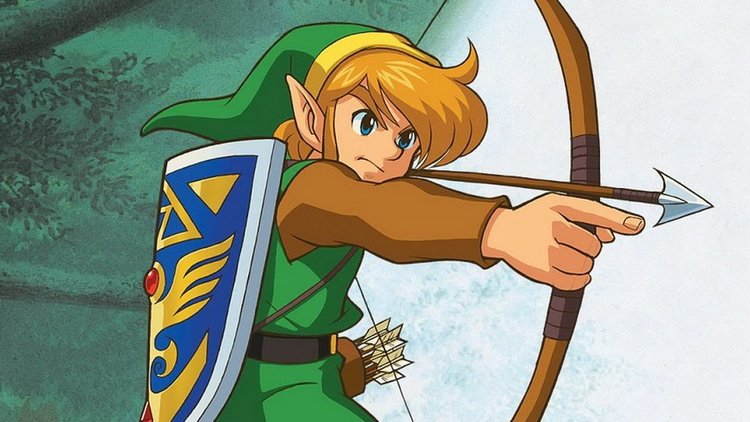
Originally released for the Super Nintendo Entertainment System (SNES) in 1991 (Japan) and 1992 (North America), The Legend of Zelda: A Link to the Past is widely regarded as one of the most influential entries in Nintendo’s Zelda series.
The game set new standards for action-adventure gameplay, boasting innovative dungeon design and memorable bosses.
Takaya Imamura, known for his extensive work on franchises like Star Fox and F-Zero, joined the Zelda project midway through its development.
According to EDGE Magazine’s retrospective on his career, Nintendo brought Imamura in specifically to assist with boss design and the rigorous debugging process required to polish the game for its release.
In the feature, Imamura reflects on his mixed feelings about this assignment.
He recalls that when Nintendo approached him to join the Zelda team, his initial reaction was one of disappointment, explaining that he had hoped to experience A Link to the Past as a player, not a developer.
Imamura also detailed the difficulty of the debugging and quality assurance phases, stating that the process left a lingering negative association with the game.
He explained that even decades later, revisiting A Link to the Past brings back intense memories of the challenging testing periods, likening the sensation to an overwhelming wave of stress—a testament to how demanding the production was during that era.
Imamura’s experience was not limited to a single Zelda title.
He later contributed to The Legend of Zelda: Majora’s Mask on the Nintendo 64, where he encountered similar challenges and emotions.
Despite these tough moments, Imamura has emphasized in recent interviews that he does not regret his time at Nintendo and remains proud of his accomplishments across the Zelda series and other legendary franchises developed for platforms like the Nintendo Switch and older systems.
Since departing from Nintendo in 2021, Takaya Imamura has become increasingly open about his time at the company, using outlets such as his personal blog to share insights and stories from his career.
His candid reflections provide industry professionals and dedicated fans alike with a more nuanced understanding of what it takes to create enduring games like The Legend of Zelda: A Link to the Past.
Imamura’s story is a reminder that behind gaming’s most celebrated titles are teams who navigate both creative triumphs and demanding trials, shaping the legacy of the Nintendo brand on consoles ranging from the SNES to the modern Nintendo Switch and eShop.
However, industry veterans like Takaya Imamura have revealed that the realities of game development—particularly during the bustling era of the Super Nintendo—were far from effortless.
In a recent feature published by EDGE Magazine, Imamura, a former Nintendo designer, candidly shared the challenges he faced while working on The Legend of Zelda: A Link to the Past.
Originally released for the Super Nintendo Entertainment System (SNES) in 1991 (Japan) and 1992 (North America), The Legend of Zelda: A Link to the Past is widely regarded as one of the most influential entries in Nintendo’s Zelda series.
The game set new standards for action-adventure gameplay, boasting innovative dungeon design and memorable bosses.
Takaya Imamura, known for his extensive work on franchises like Star Fox and F-Zero, joined the Zelda project midway through its development.
According to EDGE Magazine’s retrospective on his career, Nintendo brought Imamura in specifically to assist with boss design and the rigorous debugging process required to polish the game for its release.
In the feature, Imamura reflects on his mixed feelings about this assignment.
He recalls that when Nintendo approached him to join the Zelda team, his initial reaction was one of disappointment, explaining that he had hoped to experience A Link to the Past as a player, not a developer.
Imamura also detailed the difficulty of the debugging and quality assurance phases, stating that the process left a lingering negative association with the game.
He explained that even decades later, revisiting A Link to the Past brings back intense memories of the challenging testing periods, likening the sensation to an overwhelming wave of stress—a testament to how demanding the production was during that era.
Imamura’s experience was not limited to a single Zelda title.
He later contributed to The Legend of Zelda: Majora’s Mask on the Nintendo 64, where he encountered similar challenges and emotions.
Despite these tough moments, Imamura has emphasized in recent interviews that he does not regret his time at Nintendo and remains proud of his accomplishments across the Zelda series and other legendary franchises developed for platforms like the Nintendo Switch and older systems.
Since departing from Nintendo in 2021, Takaya Imamura has become increasingly open about his time at the company, using outlets such as his personal blog to share insights and stories from his career.
His candid reflections provide industry professionals and dedicated fans alike with a more nuanced understanding of what it takes to create enduring games like The Legend of Zelda: A Link to the Past.
Imamura’s story is a reminder that behind gaming’s most celebrated titles are teams who navigate both creative triumphs and demanding trials, shaping the legacy of the Nintendo brand on consoles ranging from the SNES to the modern Nintendo Switch and eShop.