
Fire Emblem: Fortune’s Weave arrives as the latest entry from longtime series developer Intelligent Systems, offering a blend of classic turn-based tactics and new systems aimed at both long-time fans and newcomers.
The game was highlighted during Nintendo Direct coverage and is being distributed through Nintendo platforms, with review copies provided by Nintendo.
Fortune’s Weave pairs a high-fantasy premise with science-fiction touches — including the Salamander weaponry showcased during Nintendo Direct — while retaining the grid-based strategic combat the franchise is known for.
Background and setup
The narrative establishes a high-stakes setting: the Dagdan Empire is collapsing under the resurrection of the demon god Balor, and the protagonist, Eshmel, is tasked by the progenitor goddess Sothis to mount a last-ditch effort against the encroaching darkness.
Divine figures Fortuna and Sothis provide the framing device: Fortuna can glimpse possible futures and send the player into the past to alter destinies and recruit key allies.
Rewritten statement (journalistic): The reviewer explains that Fortuna’s role is explicit — she grants the player time-travel opportunities to reshape fallen heroes’ fates and assemble the forces needed to confront Balor.
Core gameplay systems
Fortune’s Weave introduces layered mechanics familiar to Fire Emblem players, while adding new depth.
Combat Arts are special weapon techniques that grant unique effects at the cost of weapon durability.
Blaze Arts trade a unit’s HP for powerful attacks and build a Blaze Gauge; when the gauge is half-full a unit enters an Overblaze state that temporarily strengthens stats and Blaze Arts until the gauge is filled and the unit Bursts.
These mechanics are taught early and underpin late-game strategy.
Structure, characters and campaign design
The game is structured in three Parts accessed through the Obelisk Chamber.
Part I introduces a chosen Flame Lord in the Heroic Games; Part II rewrites causality to bring that lord into the present conflict; Part III brings all recruited Flame Lords together for the final confrontation.
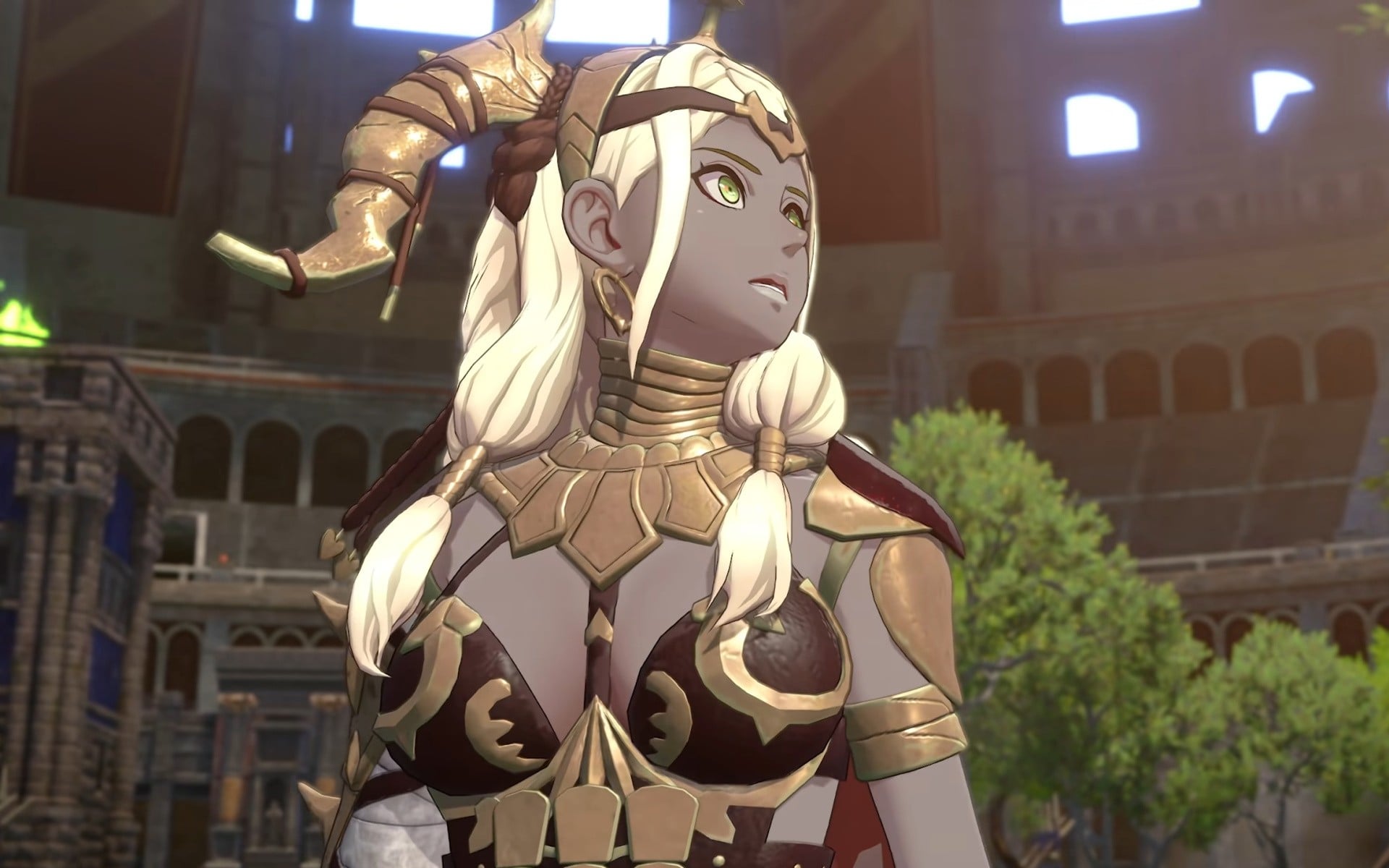
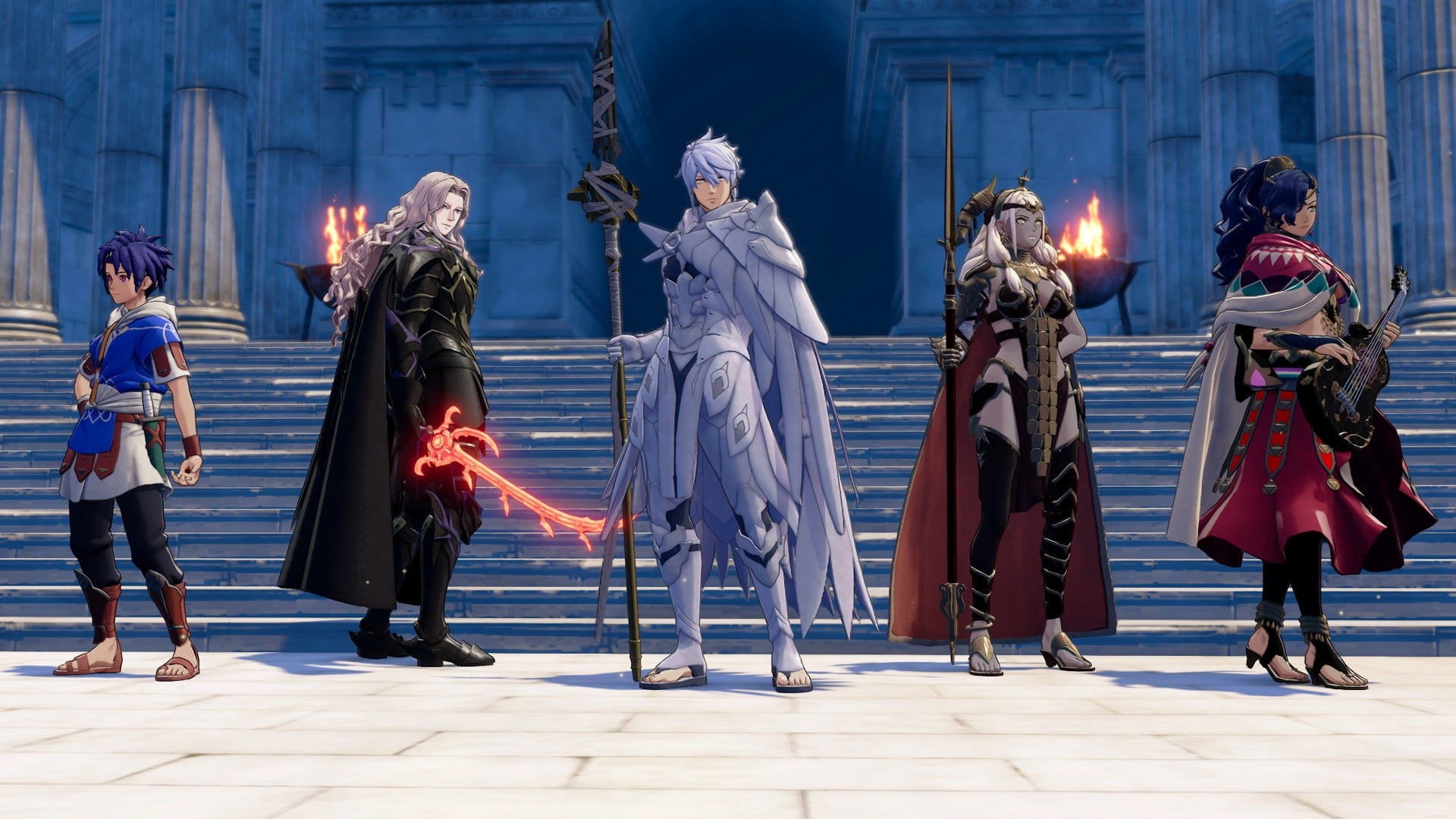
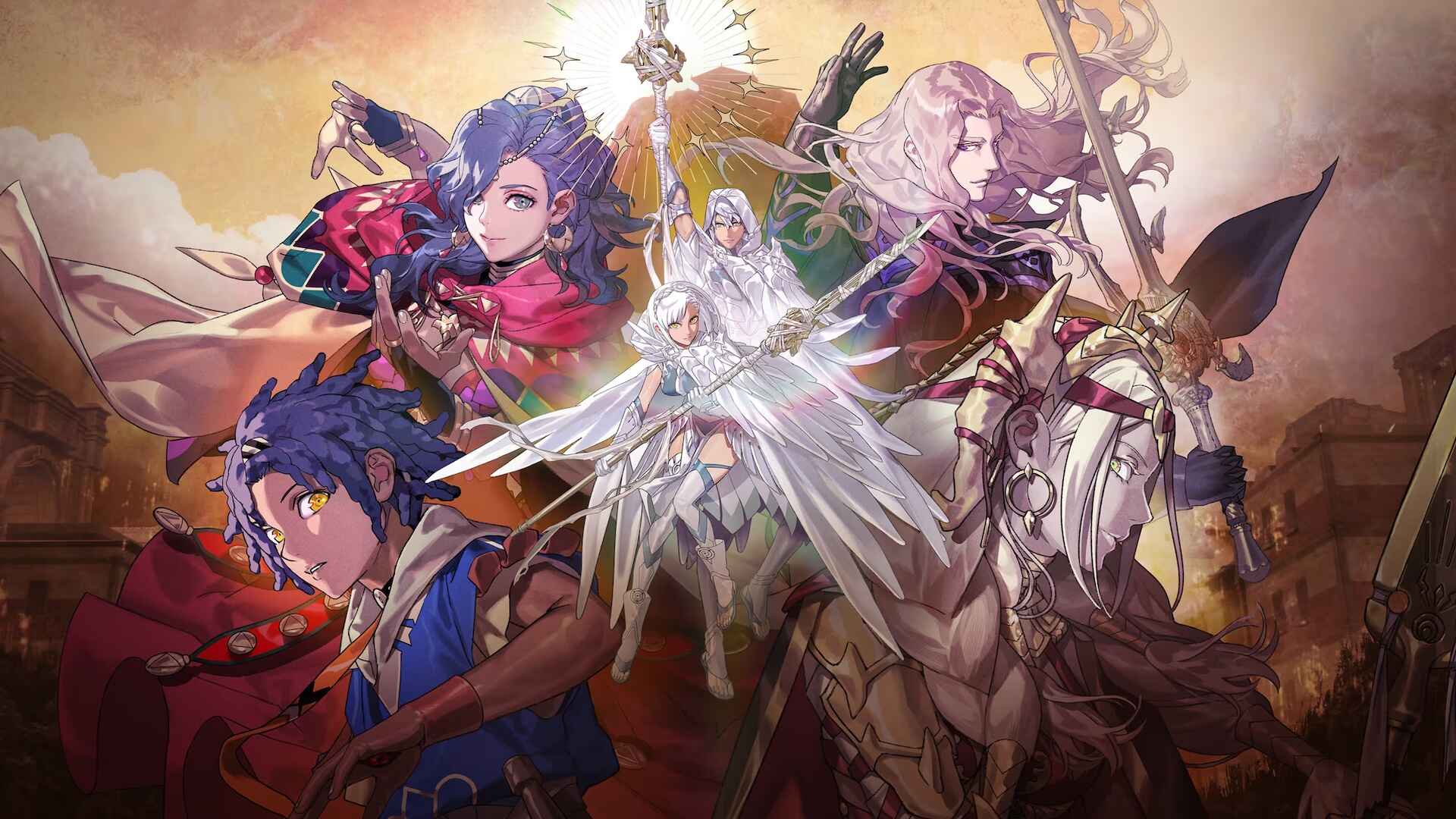
Players can tackle the individual Flame Lord storylines — Cai Castor, Dietrich Gregor Lamine, Theodora Segio Savangren and Leda — in any order.
Each path contains unique mechanics and activities tied to its lead: from mentoring, farming and mount-tending to Spellsongs and relic-focused encounters.
Rewritten statement (journalistic): According to the review, Fortuna repeatedly urges players to recruit the four Flame Lords before facing Balor, warning that confronting the final battle without them is functionally impossible to win.
Exploration and secondary systems
World Map exploration uses a turn-based turn economy where actions consume turns toward the next Main Quest.
Dungeons are third-person, with clash-style encounters and Link moves that consume Link Points to coordinate team actions and build supports.
The game includes conveniences such as Auto-Activities and an Adventure Journal to help players manage time and progression.
Presentation and accessibility
The title maintains Fire Emblem’s visual and character-driven strengths, with voiced performances and robust Support Conversation systems.
The game supports alternate inputs and includes Auto-Battle features and toggles that let players shape difficulty and pacing, including a Divine Sand rewind option for mistakes.
Conclusion
Fire Emblem: Fortune’s Weave is presented by Intelligent Systems as a synthesis of lessons from recent entries in the franchise: branching narratives, dungeon adventuring and multi-path storytelling are combined into a single, structured campaign.
For Nintendo audiences who follow Nintendo Direct and monitor the eShop for new releases, Fortune’s Weave represents a major strategic RPG release from a veteran developer, retaining series fundamentals while introducing new systems for tactical depth.
The game was highlighted during Nintendo Direct coverage and is being distributed through Nintendo platforms, with review copies provided by Nintendo.
Fortune’s Weave pairs a high-fantasy premise with science-fiction touches — including the Salamander weaponry showcased during Nintendo Direct — while retaining the grid-based strategic combat the franchise is known for.
Background and setup
The narrative establishes a high-stakes setting: the Dagdan Empire is collapsing under the resurrection of the demon god Balor, and the protagonist, Eshmel, is tasked by the progenitor goddess Sothis to mount a last-ditch effort against the encroaching darkness.
Divine figures Fortuna and Sothis provide the framing device: Fortuna can glimpse possible futures and send the player into the past to alter destinies and recruit key allies.
Rewritten statement (journalistic): The reviewer explains that Fortuna’s role is explicit — she grants the player time-travel opportunities to reshape fallen heroes’ fates and assemble the forces needed to confront Balor.
Core gameplay systems
Fortune’s Weave introduces layered mechanics familiar to Fire Emblem players, while adding new depth.
Combat Arts are special weapon techniques that grant unique effects at the cost of weapon durability.
Blaze Arts trade a unit’s HP for powerful attacks and build a Blaze Gauge; when the gauge is half-full a unit enters an Overblaze state that temporarily strengthens stats and Blaze Arts until the gauge is filled and the unit Bursts.
These mechanics are taught early and underpin late-game strategy.
Structure, characters and campaign design
The game is structured in three Parts accessed through the Obelisk Chamber.
Part I introduces a chosen Flame Lord in the Heroic Games; Part II rewrites causality to bring that lord into the present conflict; Part III brings all recruited Flame Lords together for the final confrontation.
Players can tackle the individual Flame Lord storylines — Cai Castor, Dietrich Gregor Lamine, Theodora Segio Savangren and Leda — in any order.
Each path contains unique mechanics and activities tied to its lead: from mentoring, farming and mount-tending to Spellsongs and relic-focused encounters.
Rewritten statement (journalistic): According to the review, Fortuna repeatedly urges players to recruit the four Flame Lords before facing Balor, warning that confronting the final battle without them is functionally impossible to win.
Exploration and secondary systems
World Map exploration uses a turn-based turn economy where actions consume turns toward the next Main Quest.
Dungeons are third-person, with clash-style encounters and Link moves that consume Link Points to coordinate team actions and build supports.
The game includes conveniences such as Auto-Activities and an Adventure Journal to help players manage time and progression.
Presentation and accessibility
The title maintains Fire Emblem’s visual and character-driven strengths, with voiced performances and robust Support Conversation systems.
The game supports alternate inputs and includes Auto-Battle features and toggles that let players shape difficulty and pacing, including a Divine Sand rewind option for mistakes.
Conclusion
Fire Emblem: Fortune’s Weave is presented by Intelligent Systems as a synthesis of lessons from recent entries in the franchise: branching narratives, dungeon adventuring and multi-path storytelling are combined into a single, structured campaign.
For Nintendo audiences who follow Nintendo Direct and monitor the eShop for new releases, Fortune’s Weave represents a major strategic RPG release from a veteran developer, retaining series fundamentals while introducing new systems for tactical depth.